How to Sharpen Your Reaction Time in Sports: Definition, Impact, and Training Tips
When a ball comes at you or an opponent makes a sudden move, your ability to react quickly can mean the difference between scoring and missing, winning and losing. Reaction time—the interval between a stimulus and the start of a motor response—matters as much in a tennis rally as it does in a sprint finish. This article explains what reaction time really is, why it matters in various sports, and practical ways to improve it.
Defining Reaction Time in Sports
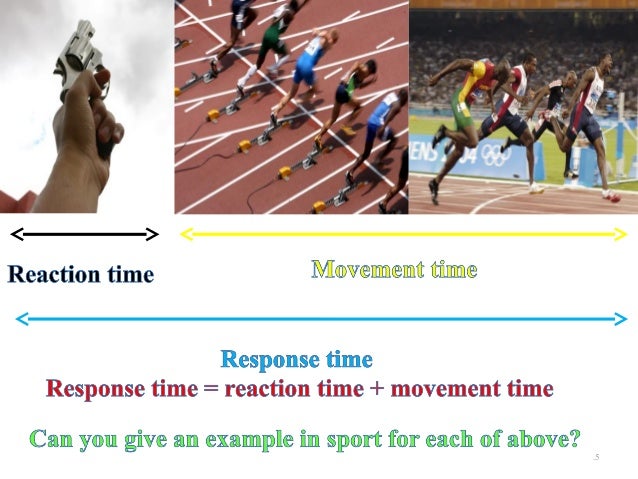
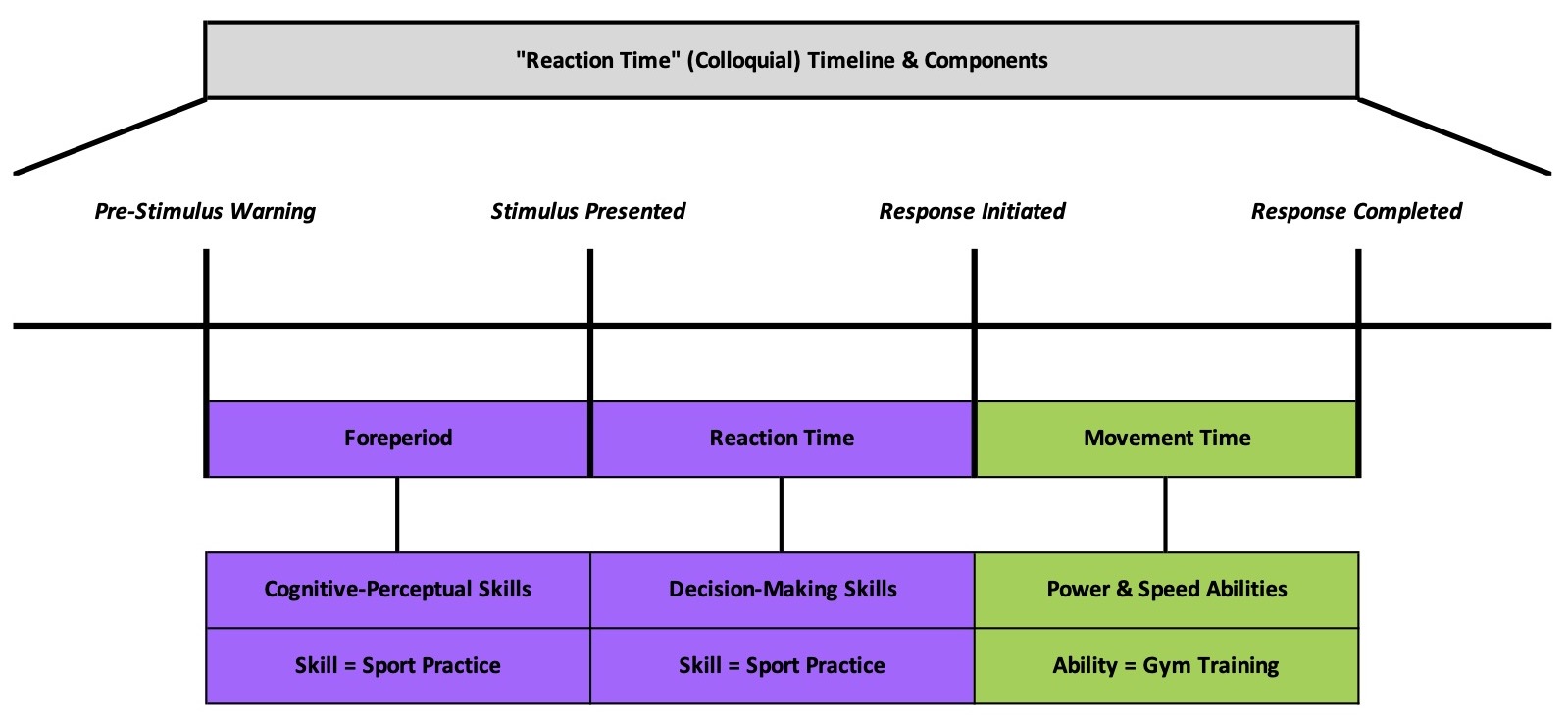
In sports science, reaction time is the period from the onset of a stimulus to the initiation of the appropriate muscular action. It splits into two components:
- Simple reaction time – one stimulus, one response (e.g., hitting a light with a pad).
- Choice reaction time – multiple stimuli, requiring the selection of a correct response (e.g., distinguishing a left or right pass).
Average athletes show simple reaction times around 150–200 ms, while elite performers can drop below 120 ms, giving them a measurable edge on the field.
Why Reaction Time Matters Across Sports
Different disciplines rely on reaction time in unique ways:
- Team ball games – quick decisions on passes or shots are essential. A 50 ms delay can translate into a lost opportunity.
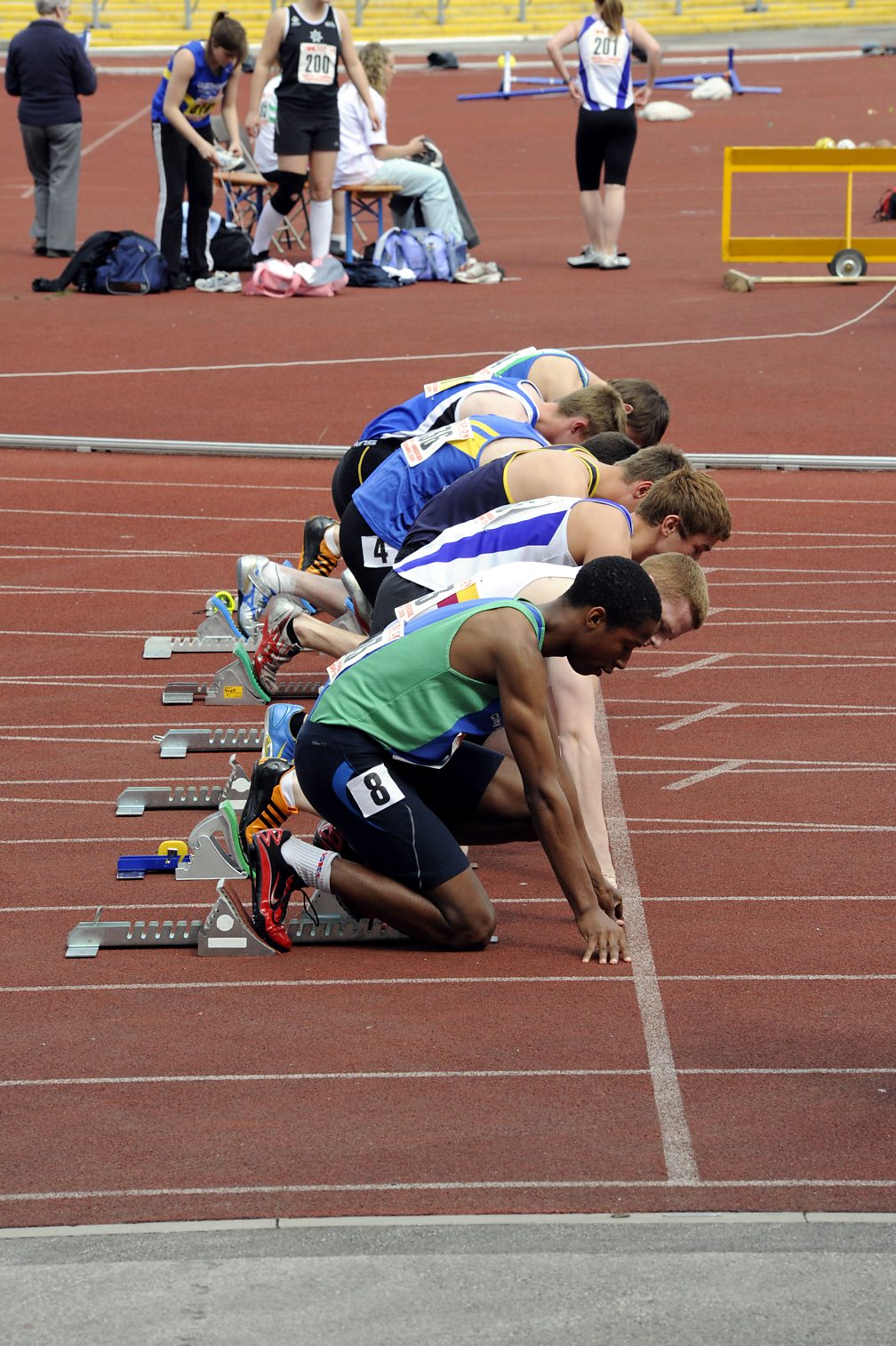
- Track and field – a fraction of a second off the starting blocks can cost gold in sprint events.
- Combat sports – anticipating an opponent’s jab or feint allows for counterattacks.
- Endurance sports – rapid response to changing course conditions keeps athletes ahead.
Across all these contexts, better reaction time reduces the chance of errors, enhances timing, and often improves overall performance.
How to Measure and Track Your Reaction Time
Reliable measurement tools are simple:
- Digital reaction timers available as web apps or smartphone apps.
- Sport-specific drills that record response latency, such as ball‑throwing tests or light‑cue exercises.
Record your times over several sessions and look for trends. A consistent improvement of 5–10 ms per month is realistic for most athletes with proper training.
Training Strategies to Speed Up Reaction Time
Improving reaction time is a mix of neurological conditioning, physical drills, and psychological sharpening. Below are evidence‑backed approaches that work across sports.
1. Plyometric and Explosive Drills
Exercises that force rapid force production—like box jumps, medicine ball throws, and depth jumps—train the nervous system to recruit motor units faster. Aim for 3–4 sessions per week, keeping intensity high but volume moderate to avoid overtraining.
2. Reactive Ball Work
Use unpredictable ball trajectories or partner‑controlled throws. The brain must constantly adjust, refining visual‑motor coordination. Incorporate these drills twice a week, gradually increasing the ball speed or adding obstacles.
3. Light and Cue Training
Set up LED panels or simple light cues that light up randomly. Respond by stepping, striking, or vocalizing. This simulates choice reaction time and improves decision speed. Even 10 minutes daily can yield noticeable gains.
4. Cognitive-Motor Integration Exercises
Combine mental tasks with physical movements. For example, solve a quick math problem while performing a jump or execute a dribble pattern after hearing an audio cue. These dual‑task drills train the brain to allocate attention efficiently.
5. Sleep and Recovery Optimization
Neural processing slows during poor sleep or overtraining. Prioritize 7–9 hours of quality sleep and allow rest days to let the nervous system consolidate learning. Adequate recovery is often the missing link in reaction‑time progression.
6. Nutritional Support
Omega‑3 fatty acids and antioxidants help maintain neuronal health. A balanced diet rich in leafy greens, fish, and nuts can support the synaptic plasticity needed for faster responses.
7. Mental Visualization
Spend a few minutes before practice visualizing rapid responses to common stimuli. This primes motor pathways and reduces the reaction interval once the physical stimulus arrives.
Integrating Reaction Time Work Into a Season‑Long Plan
Rather than treating reaction drills as add‑ons, weave them into your regular training blocks:
- Off‑season: Focus on foundational plyometrics, cognitive drills, and basic reactive ball work.
- Pre‑season: Intensify choice‑reaction exercises, simulate game scenarios, and monitor reaction times weekly.
- In‑season: Keep reaction training light to avoid fatigue—short 5‑minute warm‑up sets that maintain neural responsiveness.
Tracking progress with a simple log ensures accountability and helps you adjust intensity based on fatigue levels.
Common Mistakes to Avoid
Even a well‑planned program can falter if these pitfalls slip in:
- Overemphasizing speed at the cost of technique—fast but sloppy movements often lead to injuries.
- Neglecting the cognitive side—focusing only on physical drills can leave reaction latency unchanged.
- Skipping recovery—reaction time improves with rest, not just repetition.
Balancing speed, skill, and recovery yields sustainable gains.
FAQs About Reaction Time in Sports
What is the quickest reaction time an athlete can achieve?
Elite sprinters and basketball guards can reach simple reaction times below 120 ms. Choice reaction times are naturally slower but can still be brought down to around 200 ms with training.
Can reaction time be improved after the age of 30?
Yes—neuroplasticity persists throughout life. While improvements may be slower, consistent training can still reduce reaction latency by several milliseconds.
Does caffeine help with reaction time?
A moderate dose (roughly 3 mg per kilogram of body weight) can sharpen alertness and reduce reaction time, but it should be used strategically to avoid jitteriness or sleep disruption.
How often should I test my reaction time?
Testing every 4–6 weeks provides enough data to track progress without inducing fatigue or overfocus on the metric.
By understanding the science behind reaction time and integrating targeted drills into a balanced training plan, athletes can shave precious milliseconds off their responses and gain a competitive edge.