How to Set Your Daikin Heat Pump for Optimal Comfort
If you own a Daikin heat pump, mastering the Daikin Heat Pump Settings can transform your home's comfort, energy bills, and even the lifespan of your unit. While the panel looks intimidating at first, the controls are intentionally straightforward once you know the key variables. This guide walks you through the most common settings, explains why they matter, and gives you quick tips for both winter heating and summer cooling.
Understanding Daikin Heat Pump Settings
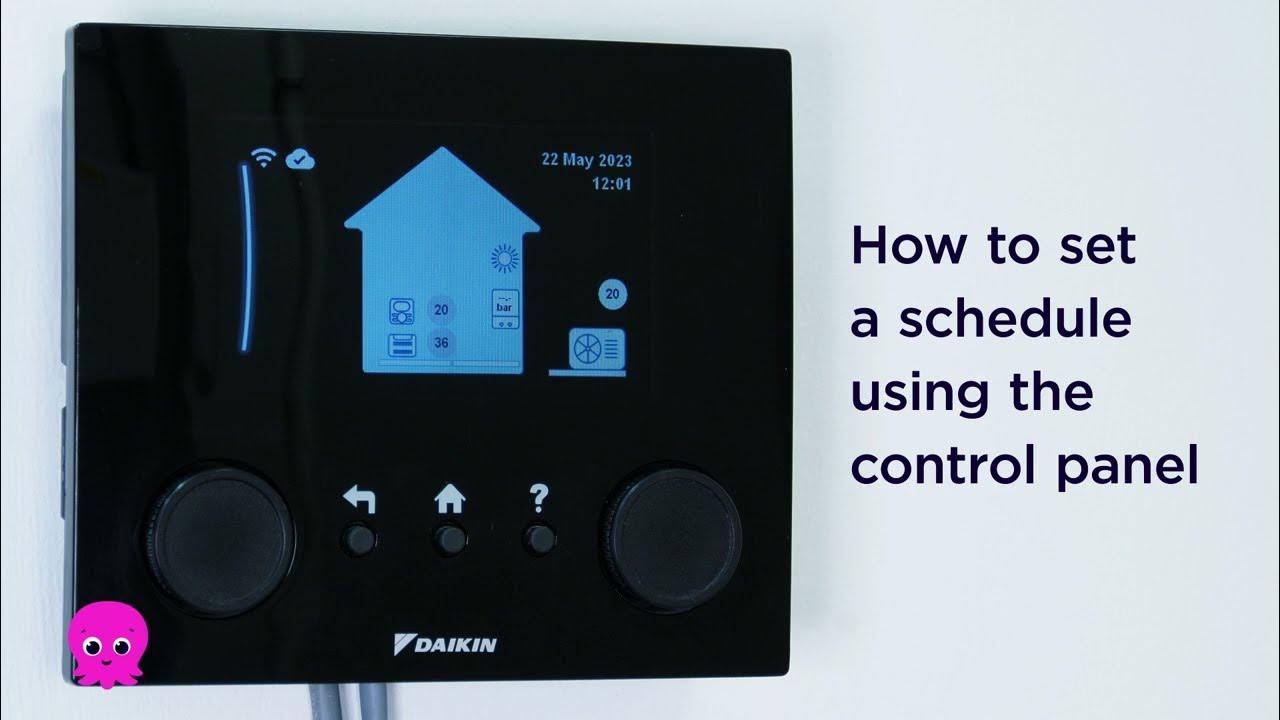
Daikin units typically feature a digital thermostat with a touch‑screen or a series of physical buttons. The main categories you’ll encounter are:
- Mode – Heating, cooling, fan‑only, or auto.
- Target temperature – The set point you want your room to reach.
- Fan speed – Low, medium, high, or auto.
- Additional options – Sleep mode, timer, humidity control, or “Comfort” presets.
Each setting interacts with the others, so tweaking one can affect the overall performance. For instance, setting a very low temperature in heating mode may cause the compressor to cycle on and off rapidly, reducing efficiency.
Heating Mode: Get Cozy Without Overpaying
In winter, most Daikin heat pumps use heat‑pump mode, which extracts heat from the outside air even when it feels cold. Follow these steps for the best balance between comfort and cost:
- Set the temperature 1–2°F (0.5–1°C) higher than the desired room temperature. Daikin’s Comfort setting will automatically adjust the compressor speed to match the demand.
- Use auto fan speed. This lets the system regulate airflow based on temperature, preventing over‑blowing.
- Enable timer mode if you’re away during the day. A 3–4 hour run before you return keeps the house warm without running the unit all night.
- Activate sleep mode between 10 pm and 7 am. It gradually lowers the temperature by 1–2 °F, saving energy while you’re asleep.
When you notice the temperature plateauing, check that the vents aren’t blocked by furniture or curtains. Airflow restriction can cause the unit to struggle, leading to higher electricity usage.
Cooling Mode: Beat the Heat With Precision
Summer cooling on a Daikin heat pump is just as simple. Keep the following in mind:
- Target a comfortable 75–78°F (24–26°C). Anything cooler will increase energy draw with diminishing comfort benefits.
- Choose auto fan speed. The system will increase airflow only when the temperature rises above the set point.
- Use humidity control if available. Setting a relative humidity threshold (e.g., 50%) keeps the room feeling dry and crisp without overcooling.
- Schedule timer or away modes for nights or extended trips. Most Daikin units allow you to set a 24‑hour schedule, ensuring the unit runs only when needed.
Don’t forget to clean the external coils and filter every month. Dirty filters reduce airflow and cause the compressor to work harder.
Fan‑Only Mode: Quick Air Circulation
When you just need to circulate air—say, after a long day at work—use the fan‑only setting. It runs the blower without heating or cooling the air, providing a gentle draft and improving indoor air quality. Just remember that this mode can increase electricity usage without the temperature benefits of heating or cooling.
Advanced Features: Smart, Quiet, and Energy‑Savvy
Many modern Daikin models come with built‑in smart features that enhance comfort:
- Smart Wi‑Fi connectivity – Control the unit from your phone or voice assistant.
- Eco‑mode – Optimizes compressor speed to match your set temperature, cutting power consumption.
- Quiet mode – Reduces fan speed and compressor noise during night time.
- Energy‑saving presets – Choose a “Comfort” preset for the most efficient balance of temperature and airflow.
Experimenting with these options can reveal which combination keeps your home comfortable while keeping the bill low.
Maintenance Tips to Keep Settings Accurate
Even the best settings lose their edge if the unit isn’t maintained. Follow these simple steps to keep your heat pump running as intended:
- Replace or clean filters every 30–60 days. Clogged filters raise resistance and reduce cooling efficiency.
- Inspect the external unit for debris. Leaves, nests, or snow buildup can impede airflow.
- Check the thermostat calibration. If your home feels warmer or cooler than the set point, recalibrate using a separate thermometer.
- Schedule annual professional servicing. A technician can clean the refrigerant lines, check pressure levels, and ensure the compressor is healthy.
When you’re ready for a new set of settings, start by resetting the unit to factory defaults. Then adjust one variable at a time, noting how it changes your home’s temperature and electricity consumption.
FAQ
What is the ideal temperature setting for Daikin heat pumps in winter?
Most homeowners find 68–70°F (20–21°C) comfortable. Setting the thermostat 1–2°F higher allows the system to run efficiently while keeping the air warm.
How do I know if my Daikin unit is running too often?
If the compressor cycles on and off every few minutes or if you feel a sudden drop in temperature after a brief period, the unit may be cycling too rapidly. Check for blocked vents or a low refrigerant charge.
Can I use the fan‑only mode to save energy?
Fan‑only runs the blower without heating or cooling. It’s useful for quick drafts but can still use electricity, so it’s best used sparingly when you’re home and the temperature is already comfortable.
What does the “auto” fan speed do?
Auto fan speed adjusts airflow based on the temperature differential. It keeps the unit running only as much as needed, which improves efficiency and reduces noise.
With these settings, maintenance practices, and a clear understanding of each mode, you can harness the full power of your Daikin heat pump. A well‑configured system delivers consistent comfort, keeps utility bills in check, and extends the life of your investment.