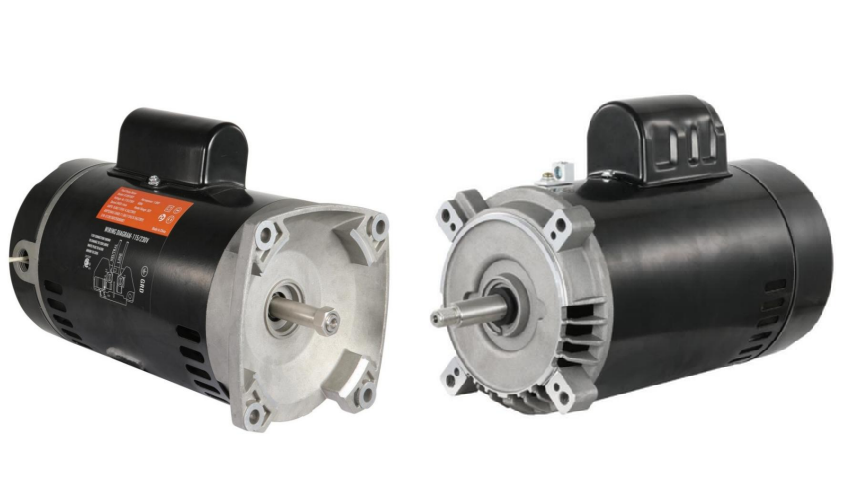
How to Repair the OUS SC Motorsc SCCZ48SC Pool Pump
Understanding the SCCZ48SC’s Core Components
The OUS SC Motorsc SCCZ48SC pool pump isn’t a mystery machine; it’s essentially a motor, a impeller, a housing, and a few seals. Knowing what each part does makes diagnosis feel less like guesswork. The motor drives the impeller, which pushes water through the filter. The housing keeps everything sealed, while the mechanical seals prevent leaks. When any of these elements falters, you’ll notice reduced flow, odd noises, or water seeping around the pump base.
Safety First: Preparing Your Workspace
Before you unscrew a bolt, turn off power at the breaker and release the pressure in the system. Never attempt repairs with the pump still energized – a short could fry the motor or, worse, give you a nasty shock. Once the electricity is off, place a bucket beneath the pump to catch any stray water, and have a towel handy for quick clean‑ups.
Common Problems and Their Quick Fixes
1. Pump Won’t Start
- Check the capacitor. A failing start capacitor often prevents the motor from kicking in. Look for bulging or leaking signs, then replace it with the exact same µF rating.
- Inspect the wiring. Loose connections or corroded terminals can interrupt power. Tighten screws and clean any rust with a small brush.
- Test the thermal overload. If the motor overheated, the overload may have tripped. Reset it according to the manual; if it trips again, the motor might need a deeper inspection.
2. Low Flow Rate
- Clear the impeller. Debris like leaves or tiny stones can jam the blades. Remove the pump housing, take out the impeller, and rinse it under a hose.
- Examine the suction side. A clogged skimmer or a blocked pre‑filter basket will starve the pump of water. Clean these components regularly.
- Check for air leaks. Loose fittings or cracked seals let air in, reducing suction. Tighten fittings and replace worn O‑rings.
3. Unusual Noises
- Loose motor bolts. Vibrations can loosen the motor mounting screws. Tighten them, but don’t over‑torque.
- Worn bearings. A grinding or humming sound often points to bearing wear. If you hear metal‑on‑metal, the bearing needs replacing.
- Cavitation. This bubbly noise indicates the pump is drawing in air. Verify the water level in the pool and ensure the pump inlet isn’t partially blocked.
Step‑by‑Step Repair Guide
Below is a practical workflow you can follow when the SCCZ48SC shows signs of trouble.
- Power down and release pressure. Turn off the circuit breaker, then open the air release valve on the pump housing.
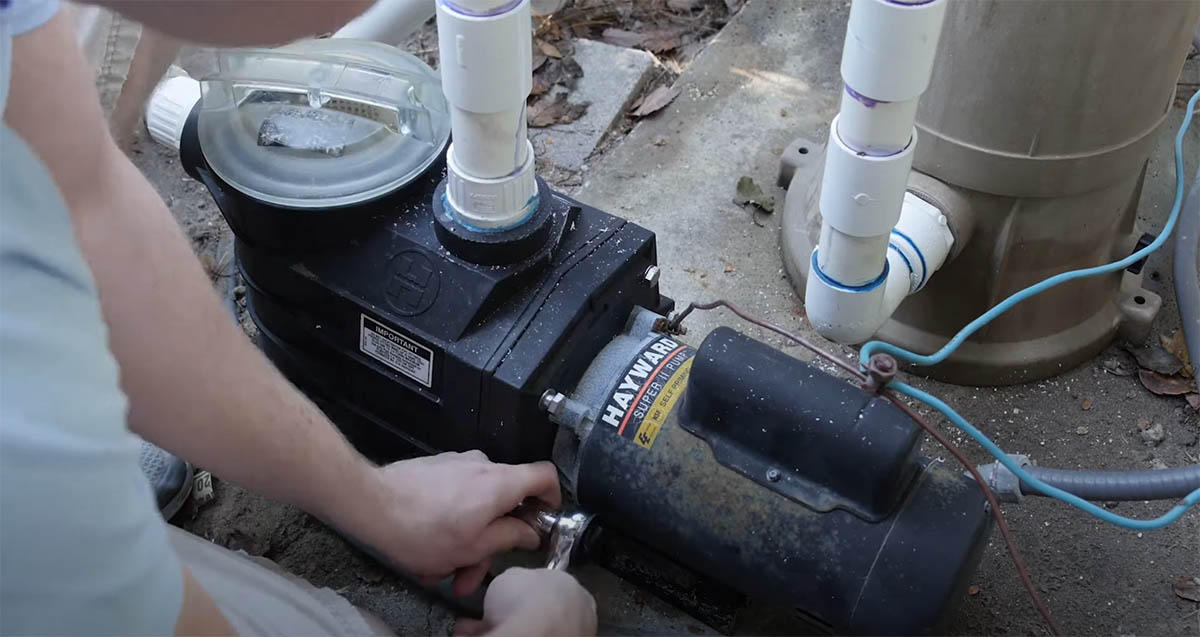
- Remove the pump housing. Unscrew the bolts holding the housing to the motor base. Keep track of the bolts – a small magnetic tray helps.
- Inspect the impeller and shaft. Pull the impeller out; look for cracks or buildup. Spin the shaft by hand – it should rotate smoothly.
- Test the motor windings. Using a multimeter, check continuity between the motor terminals. Any infinite reading suggests a broken winding.
- Replace faulty parts. Swap out a bad capacitor, worn bearing, or cracked impeller with OEM‑specified replacements. Using exact part numbers avoids compatibility headaches.
- Re‑assemble and seal. Reinstall the impeller, apply a thin bead of plumber’s grease to the O‑rings, and bolt the housing back on. Ensure the gasket sits flat to prevent leaks.
- Restore power and test. Turn the breaker back on, prime the pump by briefly opening the air release valve, then watch for normal flow and quiet operation.
Maintenance Tips to Extend Pump Life
Regular care is the cheapest insurance against future breakdowns. Here are three habits that pay off:
- Seasonal cleaning. At the start and end of each swimming season, dismantle the impeller and flush all internal passages. This removes mineral deposits that can corrode the motor windings.
- Lubricate moving parts. Apply a light silicone grease to bearings and O‑rings once a year. Over‑lubrication can attract debris, so a thin coating is enough.
- Monitor electrical health. Check the voltage at the pump’s terminal box monthly. A drop below the manufacturer’s spec may indicate wiring issues or a failing power supply.
When to Call a Professional
If you’ve walked through the troubleshooting steps and the pump still won’t run, or if the motor smells burnt, it’s time to involve a licensed pool technician. Attempting internal rewinds or major electrical repairs without proper training can void the warranty and pose safety risks.
Frequently Asked Questions
What does the “SC” in OUS SC Motorsc mean?
“SC” designates the pump’s sealed‑casing construction, meaning the motor and impeller are housed in a watertight shell that reduces corrosion and prolongs service life.
Can I use a generic capacitor as a replacement?
It’s best to match the exact microfarad (µF) rating and voltage listed in the pump’s manual. A generic capacitor might work temporarily, but mismatched specs can cause overheating or insufficient starting torque.
How often should I replace the O‑rings?
Most manufacturers recommend inspecting O‑rings annually and swapping them out every two to three years, especially if you notice small drips around the housing.
Is it normal for the pump to make a faint humming sound?
A low‑level hum is typical when the motor is energized but the impeller isn’t turning—often a sign of a seized impeller or a broken shaft. If the hum persists, stop the pump and investigate immediately.