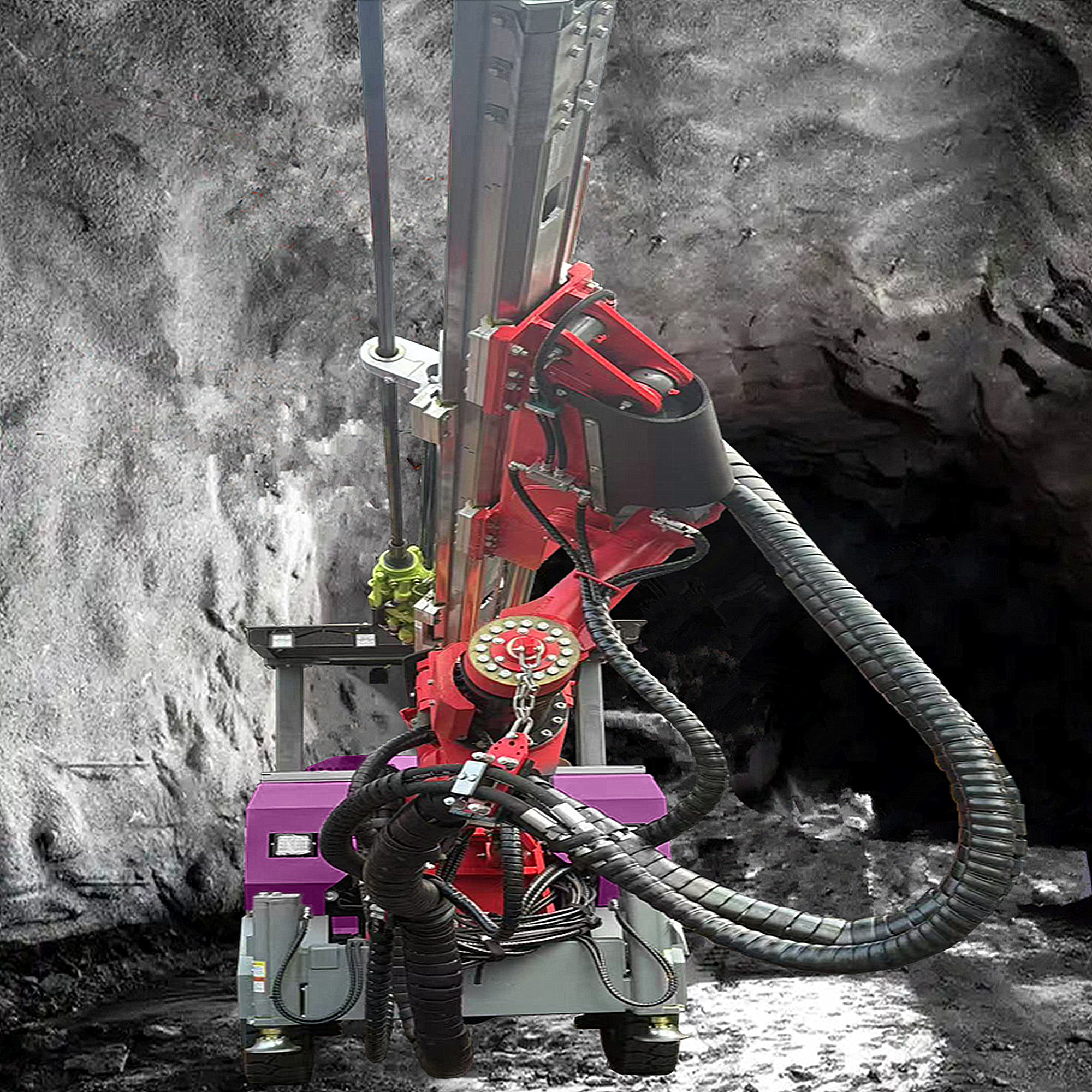
How to Master Underground Rock Drilling Machines
When you step onto a tunnel site, the roar of an underground rock drilling machine is often the first sign that serious work is about to begin. Understanding and mastering underground rock drilling machines isn’t just for seasoned engineers; anyone involved in mining, civil construction, or geothermal projects can benefit from a clear picture of how these beasts operate. Below, we break down the essentials—from core components to daily upkeep—so you can keep the drill humming and the project on schedule.
Understanding and Mastering Underground Rock Drilling Machines
At its heart, an underground rock drilling machine is a mobile power unit that converts hydraulic or pneumatic energy into a rapid hammering motion. The result is a series of high‑frequency impacts that pulverize rock and create clean boreholes. Modern rigs blend precision electronics with rugged steel, allowing operators to adjust feed rates, torque, and drilling depth on the fly. Knowing the interplay between these variables is the first step toward mastery.
Key Components You Need to Know
Every machine shares a handful of critical parts, each with its own maintenance quirks.
- Drill Head – houses the bit and percussion mechanism; wear here dictates hole quality.
- Hydraulic System – powers the hammer action; leaks can quickly sap performance.
- Control Console – displays real‑time data on pressure, temperature, and impact rate.
- Mobility Platform – tracks or wheels that must navigate cramped tunnels safely.
- Cooling and Dust Extraction – keep the machine from overheating and the workface breathable.
When any of these elements falter, the drill’s efficiency drops dramatically, often leading to costly downtime.
Choosing the Right Machine for Your Project
Not all underground rock drills are created equal. Your selection should hinge on three factors: rock hardness, borehole size, and tunnel geometry.
- Rock hardness: For basalt or granite, opt for high‑energy hydraulic hammers; softer sedimentary layers may only need a pneumatic system.
- Borehole diameter: Larger diameters demand robust, heavy‑duty heads and stronger feed mechanisms.
- Tunnel access: Tight spaces favor compact, low‑profile rigs with flexible track assemblies.
Manufacturers often publish performance curves; compare those against your site’s geotechnical report to avoid over‑ or under‑specifying.
Best Practices for Efficient Drilling
Even the best machine can underperform if you ignore a few proven techniques.
- Start with a pilot hole. A small‑diameter starter reduces stress on the main bit and helps align the larger bore.
- Maintain a steady feed rate. Too fast and you’ll grind the bit; too slow and the hammer loses its rhythm.
- Monitor impact energy. Modern consoles let you tweak pressure on the fly—use that data to stay in the optimal power band.
- Rotate the drill head periodically. Uneven wear can cause the bit to wander, leading to crooked holes and extra cleanup.
Remember, drilling is as much an art as a science. Small adjustments based on feel often yield the biggest gains.
Maintenance Tips to Keep Your Machine Running
Preventive upkeep is cheaper than emergency repairs, especially in a confined underground environment where spare parts are hard to come by.
- Inspect hydraulic seals weekly; replace any that show cracking or fluid seepage.
- Clean the dust extraction system after each shift. Accumulated grit can clog filters and overheat the motor.
- Lubricate moving joints with the manufacturer’s recommended grease before each use.
- Run a diagnostic check on the control console monthly—software glitches are surprisingly common.
Document every service in a logbook. Over time, patterns emerge that help you anticipate wear before it becomes a failure point.
Safety Considerations in Confined Spaces
Underground drilling brings unique hazards: rock falls, high noise levels, and limited ventilation. Equip every crew member with hearing protection, a respirator, and a tethered safety line. Before you fire up the drill, confirm that all escape routes are clear and that atmospheric monitoring devices show acceptable oxygen and gas levels. A quick safety brief each morning can prevent a cascade of accidents.
Training Your Team for Consistent Results
Technology can only do so much; operator skill fills the gap. Conduct hands‑on sessions that cover start‑up procedures, real‑time data interpretation, and emergency shutdown protocols. Pair novice operators with seasoned mentors for at least one full shift. The goal is to embed a habit of checking the console’s readouts before each bore—this simple step alone catches many issues early.
Common Troubleshooting Scenarios
Even with diligent maintenance, problems crop up. Here are a few tell‑tale signs and quick fixes.
- Low impact rate: Check hydraulic pressure; a drop often means a clogged filter.
- Excessive vibration: Verify that the drill head is securely bolted and that the bit isn’t dull.
- Overheating: Ensure the cooling fans are unobstructed and that the dust extraction system is active.
- Irregular hole diameter: Examine the bit for asymmetrical wear and realign the feed mechanism.
If the issue persists after these steps, consult the manufacturer’s service manual or call a certified technician.
Future Trends Shaping Underground Drilling
Automation is making its way underground. Sensors now feed real‑time rock hardness data back to the control console, allowing the machine to auto‑adjust impact energy. Some rigs even feature semi‑autonomous navigation, reducing the need for manual positioning in tight shafts. While these advances promise higher productivity, they also raise the bar for operator training and system integration.
FAQ
What types of underground rock drilling machines are most common?
The two main categories are hydraulic hammers, which deliver high impact energy for hard rock, and pneumatic drills, better suited for softer formations. Hybrid models combine both for versatility.
How often should I replace drill bits?
Bit life depends on rock hardness and usage intensity, but a practical rule is to inspect them after every 10–15 meters of drilling. Visible wear or reduced hole quality signals replacement.
Can I use the same machine for both mining and civil tunneling?
In theory, yes, but optimal performance requires selecting a machine whose specifications match the specific rock conditions and borehole sizes of each project.
Is remote monitoring really worth the investment?
For large-scale operations, remote telemetry helps catch performance drops early, reducing downtime by up to 20 % according to industry surveys.