How to Master the Omniscient Narrator: A Deep Dive
When a story feels like it’s being whispered from every corner of its world, you’ve likely encountered an omniscient narrator. This all‑seeing voice can lift a novel above ordinary storytelling, but it also demands a delicate balance of knowledge and restraint. Below we’ll unpack what “mastering the omniscient narrator” really means, why it still matters in contemporary fiction, and how you can wield it without drowning your readers in exposition.
Understanding the Omniscient Perspective
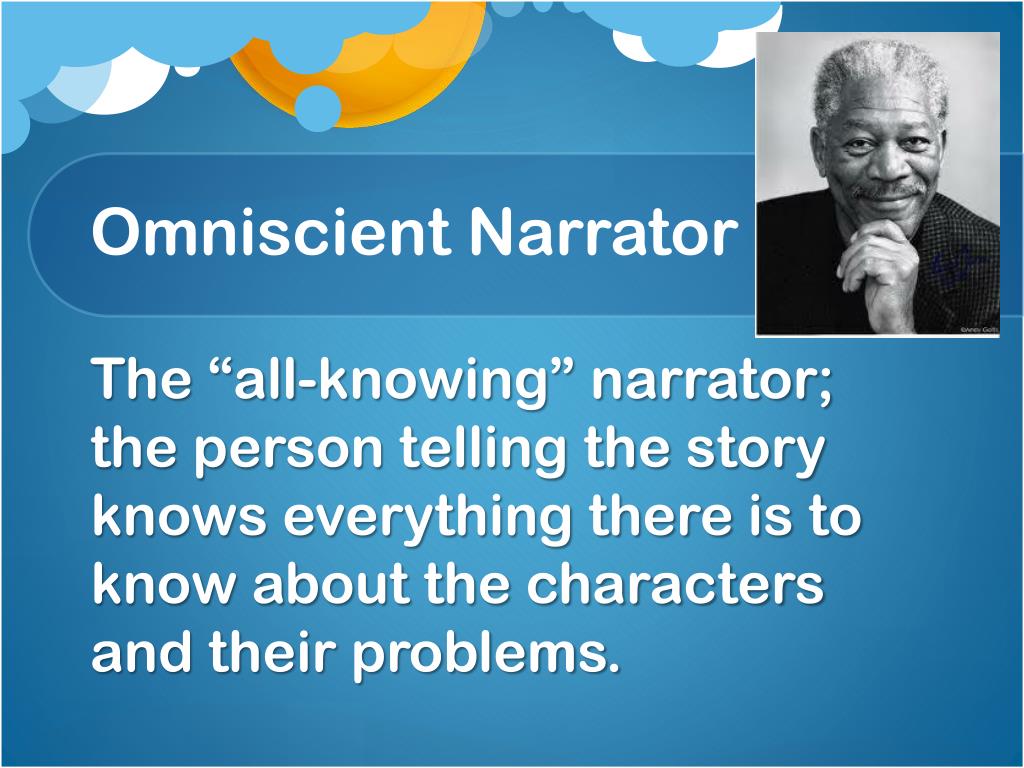
The omniscient narrator sits outside the story, knowing every character’s thoughts, every hidden motive, and the full arc of the plot. Unlike a first‑person voice, which is filtered through personal bias, the omniscient point of view offers a panoramic view that can reveal irony, foreshadow events, or draw thematic parallels that would otherwise stay hidden.
Historically, authors like Tolstoy and Dickens used this technique to paint sprawling societies. In modern works, the omniscient narrator often appears in genre‑bending novels, where the author wants to comment on the action while still keeping the narrative tight.
When to Use an All‑Seeing Voice
Choosing the omniscient stance isn’t a default setting; it’s a strategic decision. Here are a few scenarios where it shines:
- Complex ensembles. If you have dozens of characters whose inner lives intersect, an omniscient narrator can guide the reader through the maze without forcing chapter‑by‑chapter POV switches.
- Thematic resonance. When the story’s core idea benefits from a bird’s‑eye commentary—think fate versus free will—the narrator can weave subtle observations that echo throughout the text.
- World‑building depth. In speculative fiction, the narrator can drop historical or cultural nuggets that ground the setting without resorting to clunky info‑dumps.
Conversely, if intimacy is your primary goal—say, a deeply personal coming‑of‑age tale—a limited viewpoint may create a stronger emotional bond.
Common Pitfalls and How to Avoid Them
Even seasoned writers stumble when they let the omniscient narrator become a “telling” machine rather than a “showing” guide. Below are the most frequent missteps and quick fixes.
- Over‑exposition. Dumping facts all at once can stall momentum. Instead, sprinkle details across scenes, letting readers infer connections.
- Inconsistent tone. The narrator’s voice should stay recognizable. If you shift from poetic musings to blunt reportage within a few paragraphs, the reader may feel jarring.
- Neglecting character agency. An omniscient narrator shouldn’t solve problems for characters. Keep the focus on how characters react to the information you provide.
- Lost focus. With the power to know everything, it’s easy to wander into tangents. Anchor every narrative digression to the central conflict or theme.
Practical Steps to Master the Omniscient Narrator
Ready to try the all‑seeing voice? Follow these actionable steps to keep your narration tight and engaging.
1. Define the Narrative Lens
Before you write a single line, decide what the narrator knows and, more importantly, what they choose to reveal. Ask yourself: Is the narrator a neutral observer, a witty commentator, or perhaps a moral arbiter? This decision shapes tone and informs every subsequent choice.
2. Map Character Inner Worlds
Create a simple chart: list each main character, their core desire, secret fear, and a single piece of information only they know. When you write a scene, reference at least two of these entries to remind yourself what the narrator can reveal without overloading the reader.
3. Practice “Show, Then Tell”
Write a paragraph that describes a pivotal event purely through action and dialogue. Then rewrite the same paragraph, adding the omniscient narrator’s insights. Compare the two—if the second feels like it’s stating the obvious, trim back.
4. Use Narrative Pauses
Think of the narrator’s interjections as musical rests. A brief, reflective sentence after a heated exchange can give readers space to process, while also reinforcing theme.
5. Read Aloud for Consistency
Hearing the voice out loud often reveals tonal drift. If the narrator’s voice sounds like a different author in the middle of a chapter, tighten the language or re‑establish the narrative tone.
6. Solicit Targeted Feedback
When sharing drafts, ask beta readers specific questions: “Did the narrator’s insights feel helpful or intrusive?” and “Were there moments where you wanted to know more about a character’s thoughts?” Their answers will pinpoint where you’ve overstepped or under‑served.
Balancing Knowledge and Mystery
Mastering the omniscient narrator is ultimately about restraint. Knowing everything gives you the power to withhold. Choose moments to reveal crucial secrets, then let the plot unfold on its own. The most compelling omniscient narratives keep readers guessing—not because the narrator is clueless, but because they strategically delay the payoff.
Consider the classic line, “He thought the storm would never end, yet the sky was already clearing.” A single sentence conveys the character’s internal state, the external setting, and a subtle hint of hope—all without breaking the omniscient flow.
FAQs
What’s the main advantage of using an omniscient narrator?
It lets you weave multiple character arcs together while maintaining a clear thematic thread, especially useful in stories with large casts or complex worlds.
Can an omniscient narrator be humorous?
Absolutely. Many authors inject witty asides or ironic observations, but the humor should serve the story rather than distract from it.
How many times should I switch the narrator’s focus per chapter?
There’s no hard rule, but frequent shifts can feel disorienting. Aim for one or two clear focus changes per chapter, unless you’re deliberately creating a kaleidoscopic effect.
Is it okay to reveal the ending early with an omniscient voice?
Generally, it undermines suspense. You can hint at the outcome, but full disclosure removes tension and robs readers of emotional investment.




.jpg)