How to Master Spin: A Practical Guide to Putting Spin on a Ping Pong Ball
Whether you’re a weekend hobbyist or a club‑level competitor, the ability to put spin on a ping pong ball can turn a simple rally into a tactical battle. Mastering spin isn’t magic; it’s a blend of grip, wrist action, and timing that anyone can develop with the right approach. Below, we break down the fundamentals, common pitfalls, and drills that will let you start generating reliable topspin, backspin, and sidespin in no time.
Why Spin Matters in Table Tennis
Spin changes the ball’s trajectory and bounce, forcing opponents to react faster and often mis‑read the shot. A well‑placed topspin drops sharply after crossing the net, while a backspin can make the ball float and bounce low, disrupting rhythm. Sidespin adds a deceptive curve, especially useful on serves and return angles. Understanding these effects is the first step toward purposeful spin production.
Grips That Set the Stage
The way you hold the paddle influences how much wrist freedom you have. The two most common grips—the shake‑hand and the penhold—both accommodate spin, but each has its quirks. Shake‑hand players typically use a relaxed “loose” grip near the handle, allowing the wrist to flick without tension. Penhold users often keep the paddle’s backside exposed, giving a natural pivot for sidespin. Experiment with a grip that feels comfortable yet doesn’t lock your wrist.
The Role of the Wrist
Wrist snap is the engine of spin. For topspin, a forward‑flick of the wrist at contact adds forward rotation. Backspin relies on a slight backward roll, while sidespin comes from a sideways twist. The key is to keep the motion smooth and avoid jerky movements; a fluid wrist action transfers energy efficiently into the ball’s surface.
Understanding the Three Core Spins
- Topspin: Brush the ball upward and forward, creating a forward roll that makes the ball dip quickly after the net.
- Backspin: Brush the ball downward, imparting a backward roll that causes the ball to “float” and bounce low.
- Sidespin: Brush the ball from left to right (or vice versa) to generate a sideways curve.
Most advanced players blend these—think “top‑back” or “side‑top” variations—to keep opponents guessing.
Body Position and Stance
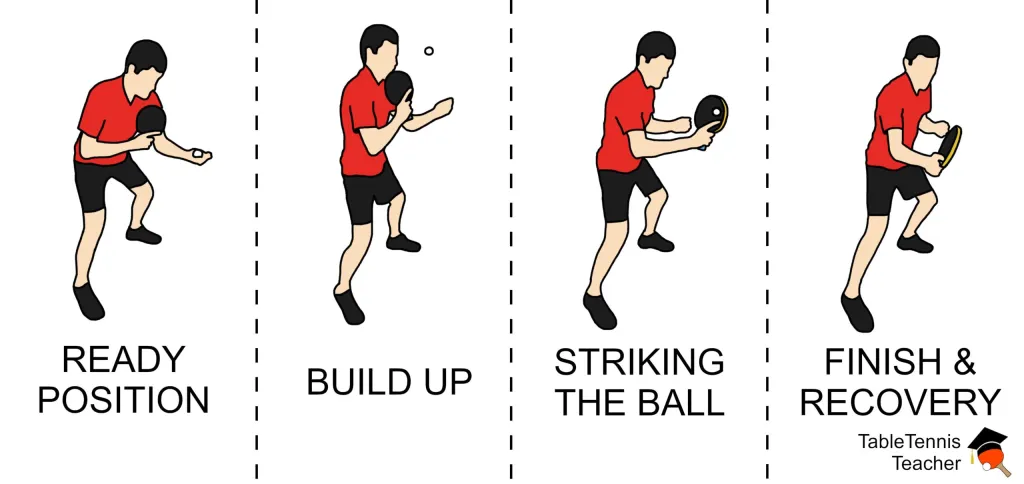
A balanced stance provides a stable platform for spin. Position your feet shoulder‑width apart, knees slightly bent, and weight centered over the balls of your feet. When striking, shift weight from your back foot to the front foot in a controlled slide. This weight transfer adds momentum, allowing the wrist to focus on spin rather than raw power.
Stroke Mechanics for Consistent Spin
Start with a low backswing, keeping the paddle angled slightly upward for topspin or downward for backspin. As you swing forward, accelerate the paddle through contact while simultaneously snapping the wrist in the desired direction. For sidespin, the paddle’s face should be angled left or right at impact, and the wrist twist should follow the same direction. Finish with a smooth follow‑through; a abrupt stop often kills spin.
Drills to Build Muscle Memory
Repetition is the shortcut to mastery. Try these simple drills:
- Spin Wall: Stand a few feet from a solid wall, aim to hit the ball so it returns with the same spin. Adjust angle and wrist until the ball consistently rebounds.
- Partner Spin Rally: Alternate topspin and backspin with a partner, focusing on consistent contact points.
- Serve Spin Challenge: Practice serving with pure topspin, pure backspin, and mixed sidespin, counting how many you can land within the service box.
These exercises develop feel and timing without the pressure of a full match.
Common Mistakes and How to Fix Them
Many beginners over‑grip the paddle, turning the wrist into a rigid hinge. Loosen your grip just enough to let the paddle rotate freely. Another frequent error is “punching” the ball—hitting it flat instead of brushing it. Focus on a glancing contact; imagine skimming the ball’s surface rather than striking its center. Lastly, neglecting footwork limits spin potential; stay light on your feet and adjust your position before each shot.
Putting It All Together: A Mini‑Routine
Spend 15 minutes before each practice session running through a quick routine: warm‑up with light forehands, then cycle through topspin, backspin, and sidespin strokes, paying attention to grip, wrist, and footwork. End with a short serve series, aiming for at least ten successful spin serves in a row. This systematic approach reinforces the neural pathways that control spin.
FAQ
Q: How much spin can a beginner realistically generate?
A: Beginners typically produce modest spin—enough to affect bounce but not to dominate rallies. With consistent wrist work and proper grip, most players see noticeable improvement within a few weeks.
Q: Does the type of rubber on my paddle affect spin?
A: Yes. Pimple‑inverted (smooth) rubbers generate the most spin due to greater surface friction. Pips‑out rubbers produce less spin but can disguise shot trajectory.
Q: Can I use spin on defensive blocks?
A: Absolutely. A slight backspin on a block can turn a defensive shot into a tricky, low‑bouncing return that forces the opponent to lift the ball.
Q: How do I transition from topspin to sidespin mid‑rally?
A: Maintain a stable stance, then as you approach contact, add a gentle sideways wrist twist while keeping the forward motion. Practicing this on a drill board helps the transition feel natural.