How to Maintain, Repair, and Optimize Your 9mm Pistol
Why a Regular Maintenance Routine Matters
Even the most reliable 9mm pistol will lose accuracy and reliability if you skip routine upkeep. Dust, fouling, and metal fatigue don’t announce themselves loudly; they whisper through misfeeds, reduced slide velocity, or a sudden squeak when the trigger is pulled. A disciplined maintenance schedule keeps the firearm safe, extends its service life, and lets you squeeze every bit of performance out of it.
Essential Cleaning Steps for a 9mm Pistol
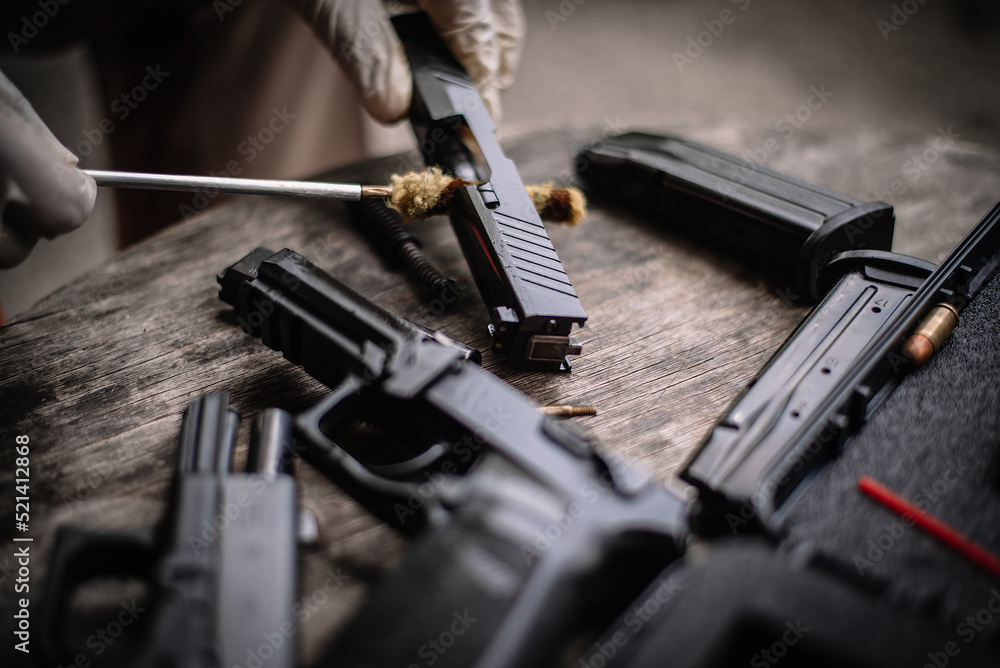
Start with a clean, well‑lit workspace and a soft mat to protect the frame. Disassemble according to the manufacturer’s manual—usually a simple slide‑lock and takedown lever. Remove the barrel, recoil spring, and magazine well components.
- Barrel and Chamber: Run a brass or nylon cleaning rod through the bore with a light solvent‑soaked patch. Follow with a dry patch until it comes out clean.
- Slide and Breech Face: Brush away carbon deposits with a nylon or bronze brush, then wipe with a lint‑free cloth.
- Magazine: Expel any stuck cartridges, then lubricate the follower and spring with a thin film of oil.
Reassemble only after each part is dry and lightly oiled where the manual recommends. A quick visual check for missed debris is worth a few extra seconds.
Choosing the Right Lubrication
Not all oils are created equal. For a 9mm pistol, a low‑viscosity synthetic oil works best on moving parts like the slide rails and trigger bar, while a slightly thicker grease is ideal for the recoil spring. Over‑lubricating is a common mistake; excess oil can attract dust and cause fouling to build faster.
Apply a single drop to each contact point and wipe away any runoff. If the pistol has a stainless‑steel finish, a light coat of silicone‑based spray can help prevent water spotting without compromising the metal’s corrosion resistance.
Common Repairs You Can Do at Home
Some issues are easy fixes, while others merit a gunsmith’s attention. Here are a few DIY‑friendly repairs:
- Stuck Slide: Check for debris in the rail grooves, then lightly spray a penetrating oil and work the slide back and forth.
- Trigger Pull Too Heavy: Inspect the trigger spring for deformation; replace it with a factory‑spec spring of the same weight.
- Magazine Feeding Problems: Verify the magazine spring tension; a worn spring can be swapped with a new one of identical dimensions.
If you encounter cracked frames, warped barrels, or irregular headspace, send the firearm to a qualified professional. Attempting these repairs without proper tools can jeopardize safety.
Optimizing Accuracy and Reliability
Beyond basic maintenance, a few tweaks can boost your 9mm pistol’s performance. First, consider a match‑grade barrel if you shoot competitively; these barrels have tighter tolerances and often feature a polished cut‑rifling pattern. Second, upgrade the sights to night‑vision or fiber‑optic models for faster target acquisition.
Finally, experiment with different ammunition brands. Some pistols prefer a specific powder load or bullet shape, which can affect recoil smoothness and muzzle rise. Keep a log of what works best for your gun and stick to it.
Safety Checks Before Every Shoot
Before loading, perform a quick visual and tactile inspection. Verify that the chamber is empty, the magazine is seated fully, and the safety (if equipped) engages cleanly. A functional trigger reset is another subtle indicator of a well‑lubricated mechanism.
After each range session, a light cleaning of the barrel and slide can prevent residue buildup that might cause a malfunction the next time you fire.
Proper Storage to Prevent Corrosion
When the pistol isn’t in use, store it in a climate‑controlled environment. A gun safe with a dehumidifier or a moisture‑absorbing silica pouch reduces the risk of rust, especially on steel parts. If you plan to store the gun for an extended period, apply a thin protective coat of oil to the barrel and slide, then seal it in a gun bag.
Tools Every 9mm Owner Should Have
- Basic hand‑tool kit (screwdrivers, punches, and a small hammer)
- Cleaning rod set with appropriate bore brushes
- Quality solvent and lubricants (synthetic oil and grease)
- Borescope for inspecting barrel interior without disassembly
- Trigger pull gauge to measure and adjust trigger weight
FAQ
How often should I clean my 9mm pistol?
A good rule of thumb is after every shooting session, especially if you’ve fired more than a few hundred rounds or used ammunition with high powder loads.
Can I use household oil for lubrication?
While household oils can work in a pinch, they often contain additives that attract dust. Stick to oils formulated for firearms to maintain consistent performance.
What’s the safest way to test a repaired pistol?
After any repair, perform a function check with the firearm unloaded: cycle the slide, pull the trigger, and engage the safety. Then, fire a few rounds in a controlled range environment, watching for any irregularities.
Is a match‑grade barrel necessary for self‑defense?
Not typically. A standard barrel meets reliability standards for defensive use; match‑grade barrels mainly benefit competitive shooters seeking tighter groups.