How to Launch a Career as a Sports Nutritionist: A Step‑by‑Step Guide
If you’re dreaming of becoming a sports nutritionist, the journey blends academic rigor, real‑world practice, and a sprinkle of entrepreneurial spirit. It isn’t just about memorizing macronutrient ratios; it’s about translating science into performance‑boosting strategies for athletes of every level. Below is a practical roadmap that walks you through each milestone, from classroom to client.
Understanding the Role of a Sports Nutritionist
At its core, a sports nutritionist designs eating plans that enhance training outcomes, speed recovery, and prevent injuries. Unlike a general dietitian, the focus narrows to athletic demands—whether it’s a marathon runner needing sustained energy or a weight‑class boxer managing cut‑weight safely. Expect to collaborate with coaches, physiotherapists, and even sports psychologists, turning nutrition into a team sport.
Education Pathways: Degrees and Certifications
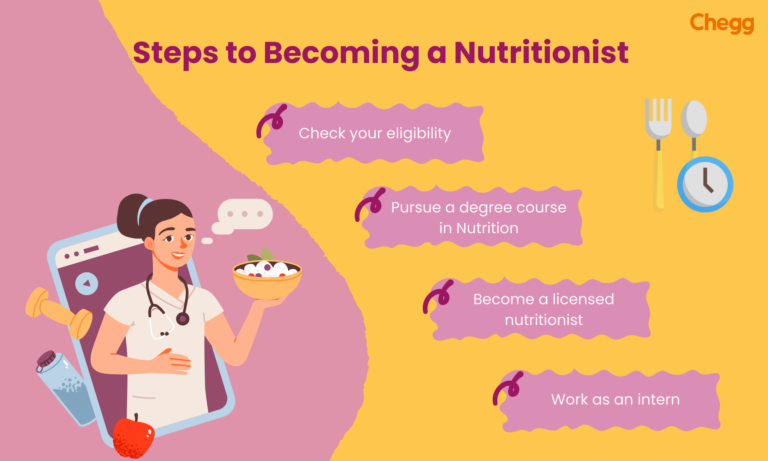
Most employers require at least a bachelor’s degree in nutrition, dietetics, or a related health science. Look for programs accredited by the Academy of Nutrition and Dietetics (or your country’s equivalent), because accreditation ensures you’ll sit for the credentialing exam later.
- Bachelor’s Degree: Courses typically cover biochemistry, exercise physiology, and food service management. Some schools offer a specific “sports nutrition” concentration.
- Internship/Practicum: A supervised experience of 1,200 hours (U.S. standard) is mandatory for Registered Dietitian (RD) status. Choose sites that serve athletes—college teams, sports medicine clinics, or performance labs.
- Certification: After earning your RD, consider the Certified Specialist in Sports Dietetics (CSSD) credential. It signals expertise and often unlocks higher‑pay roles.
If you already hold a degree in a related field, a post‑baccalaureate or master’s program can bridge gaps. Many universities now offer online options, allowing you to study while you gain hands‑on experience.
Gaining Practical Experience
Classroom knowledge solidifies when you see it applied on the field. Start small, then scale up.
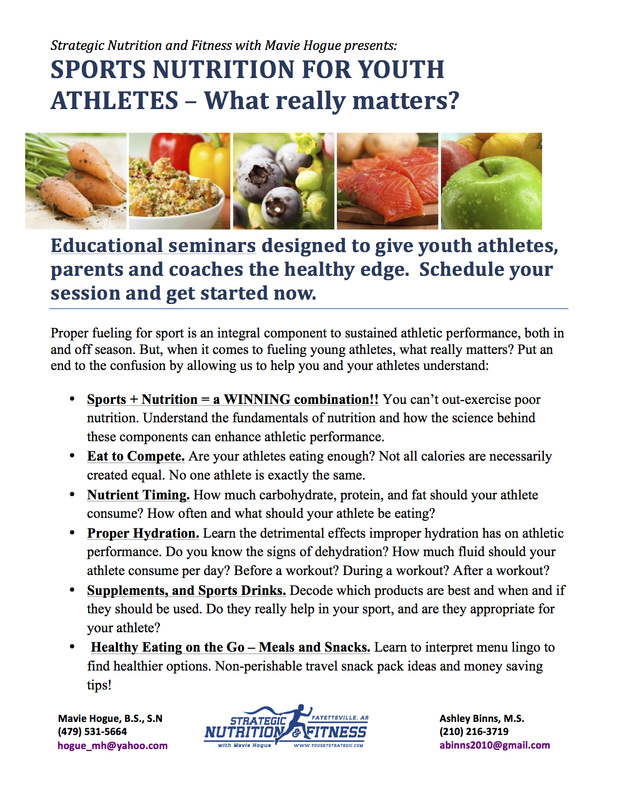
- Volunteer with local youth sports leagues—help design snack tables or educate parents about hydration.
- Secure a part‑time role in a sports medicine clinic; you’ll learn how injury protocols intersect with nutrition.
- Offer to run nutrition workshops for collegiate teams; even a single session can become a portfolio piece.
Document every client interaction, noting goals, interventions, and outcomes. Over time, this record becomes a persuasive case study when you pitch to future employers.
Building Your Professional Network
Networking isn’t about handing out business cards; it’s about forging genuine connections with people who share your passion.
- Attend conferences such as the International Society of Sports Nutrition (ISSN) annual meeting.
- Join online forums and LinkedIn groups dedicated to sports performance.
- Seek mentorship from seasoned sports dietitians—many are eager to guide newcomers.
Remember, a referral from a respected coach can land you a consulting gig faster than a cold application.
Launching Your Practice or Joining a Team
When you feel confident in your credentials and experience, decide whether to go solo or embed yourself within an organization.
- Joining a Team: Universities, professional clubs, and elite training centers often hire full‑time sports nutritionists. Benefits include steady salary, access to athletes, and multidisciplinary collaboration.
- Starting a Private Practice: Requires business basics—licensing, insurance, and marketing. Position yourself as a niche expert—perhaps focusing on endurance athletes or adolescent sports development.
Regardless of the path, maintain a client‑centered approach. Regularly assess dietary adherence, adjust plans based on performance data, and celebrate incremental victories. Those wins become your reputation.
Continuing Education and Specializations
The science of nutrition evolves as fast as training technology. To stay relevant, schedule at least 30 hours of continuing education every two years. Topics worth exploring include:
- Plant‑based performance fueling
- Periodized nutrition for strength versus endurance cycles
- Supplement safety and regulation
- Sports psychology integration
Specializing can also open doors to research collaborations or speaking engagements—both excellent ways to amplify your credibility.
Frequently Asked Questions
Do I need a Registered Dietitian license to work as a sports nutritionist?
In most regions, the RD credential (or its local equivalent) is required for clinical practice. However, some fitness‑center roles accept a certified nutrition specialist without full licensure, especially if you’re providing general advice rather than medical nutrition therapy.
How long does it typically take to become fully qualified?
A conventional route—bachelor’s degree (4 years) plus internship and RD exam—takes about 5‑6 years. Adding a CSSD certification or a master’s can extend the timeline by another 1‑2 years, but each step adds marketable expertise.
Can I specialize in a particular sport?
Absolutely. Athletes in ultra‑endurance, strength sports, or youth development have distinct nutritional demands. Tailoring your services to a niche not only differentiates you but also deepens your knowledge base.
What’s the typical salary range?
Salaries vary widely by setting and geography. In the United States, entry‑level sports dietitians earn roughly $50,000–$65,000 annually, while senior consultants or those in professional leagues can exceed $100,000.