How to Know If Your Motorcycle Helmet Is Too Big and Get a Perfect Fit
Finding a helmet that feels like a natural extension of your head isn’t just about comfort—it’s a matter of safety. When a motorcycle helmet is too big, the protective shell can shift during a crash, and the interior padding may fail to absorb impact properly. Below, we walk through the tell‑tale signs of an oversized helmet, how to measure yourself accurately, and practical tips for scoring the ideal fit whether you shop in‑person or online.
Recognizing the Signs of an Oversized Helmet
A helmet that’s too large will betray you in subtle ways. First, notice if the helmet slides forward when you look down or during a quick turn. That movement often indicates excess interior space. Second, pay attention to the padding; if it bunches up or creates gaps, you’ll feel pressure points rather than even support.
Another clue is the chin strap. If you have to tighten it to a painful degree just to keep the helmet from wobbling, you’re likely compensating for a poor fit. Finally, listen for wind noise—an overly roomy shell lets air whistle through, which can be both annoying and a sign that the seal isn’t tight enough.
Why Proper Fit Matters for Safety
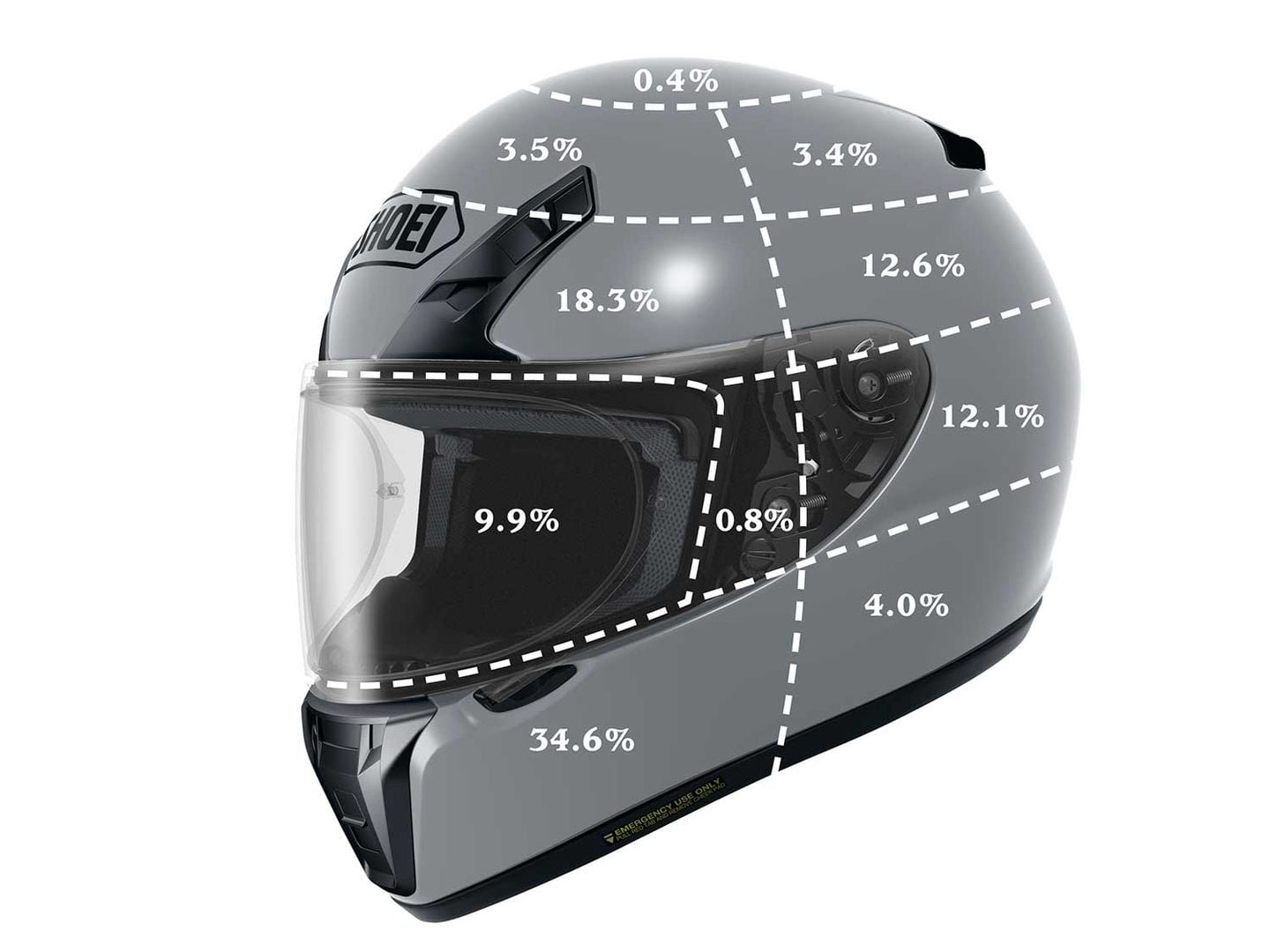
The primary job of a helmet is to manage kinetic energy in a crash. When the shell sits snugly against your skull, the liner can compress evenly, spreading the force over a larger area. An oversized helmet, however, allows the head to shift inside the shell, reducing the liner’s effectiveness and increasing the risk of rotational injuries.
Beyond protection, a well‑fitted helmet improves rider confidence. You won’t be distracted by constant readjustments, and you’ll enjoy clearer hearing and vision because the ear and eye openings line up correctly.
Measuring Your Head for the Right Size
Start with a flexible measuring tape. Wrap it around the widest part of your head—usually just above the eyebrows and ears, where a hat would sit. Record the circumference in centimeters; most manufacturers list sizes in both centimeters and inches.
Compare your measurement to the brand’s size chart. Remember that each brand may have slight variations, so it’s worth checking the specific chart for the model you’re eyeing. If you fall between two sizes, opt for the smaller one and use additional padding if needed.
Quick measurement checklist
- Measure at the forehead, not the hairline.
- Keep the tape snug but not tight.
- Take the measurement twice for accuracy.
- Note any personal preference for a tighter or looser feel.
Trying Helmets In‑Store vs. Online
In‑store testing remains the gold standard. Try on multiple brands, tilt your head forward, and shake it gently. The helmet should feel secure without pressure points, and the chin strap should click into place without excessive force.
If you shop online, look for retailers that offer a generous return policy and detailed sizing guides. Many sites provide 360‑degree views and user‑submitted fit reports, which can highlight whether a model tends to run large or small.
Adjusting and Customizing for Comfort
Even a correctly sized helmet can feel off if the interior padding isn’t right. Most helmets come with removable, washable liners; swapping them for a thinner or thicker option can fine‑tune the fit.
Consider aftermarket accessories like cheek pads or foam inserts. These can fill minor gaps without forcing the shell to be larger than necessary. Just be sure any added material doesn’t interfere with the helmet’s certification label.
Common Mistakes When Buying a Helmet
One frequent error is focusing solely on style. While a sleek design looks great, it won’t compensate for an ill‑fitting shell. Another pitfall is neglecting the chin strap; a loose strap can make a perfectly sized helmet feel insecure.
Finally, avoid buying a helmet based on price alone. Cheaper helmets may use lower‑density foam that compresses quickly, giving the illusion of a snug fit that fades after a few rides.
FAQ
Q: How often should I re‑measure my head?
A: Your head size rarely changes after adulthood, but it’s wise to re‑measure if you gain or lose significant weight, or after a major injury that alters skull shape.
Q: Can a helmet be too small?
A: Yes. A helmet that feels tight or leaves marks on the scalp can cause headaches and reduce the liner’s ability to absorb impact.
Q: Do helmet liners affect safety?
A: They do. The liner’s density and thickness are engineered to work with the shell. Replacing it with a non‑approved material can compromise performance.
Q: Is it okay to wear a helmet with the visor down?
A: The visor doesn’t affect fit, but make sure the helmet’s seal remains intact around the eyes and ears; a visor that pushes the helmet forward could create gaps.
![Best Motorcycle Helmets For Big Heads [2024 UPDATE] - Heads Don't Bounce](https://www.headsdontbounce.com/wp-content/uploads/2023/10/Motorcycle-helmet-too-small-768x512.jpg)