How to Find WFH Jobs That Support Your Mental Health
Working from home has become the new normal for millions of us. At first, it promised liberation. No more commuting stuck in gridlock. No more micromanaging bosses hovering over your shoulder. Just you, your laptop, and the freedom to design your day. But for many, that promise quickly curdled into something else entirely: isolation, burnout, and a blurred line between "work" and "life."
We often talk about remote work as if it’s a monolith, but it isn’t. Some remote companies cultivate toxic hustle culture, expecting you to be online 24/7. Others prioritize well-being, offering flexible hours and genuine support. The difference between a remote job that drains you and one that sustains you often comes down to the mental health supports built into the role.
So, how do you find that sweet spot? How do you filter through the hundreds of "Work From Home" postings to find a role that actually fits your psychological needs? It starts with recognizing that your mental health is a non-negotiable part of your job search criteria.
Identifying Red Flags in Remote Job Postings
Before you even apply, you can often spot whether a company values employee well-being or just wants cheap labor. Read the job description with a critical eye. Look for language that emphasizes "grind," "hustle," or "always-on availability." If a posting suggests you need to be available across wild time zones without mentioning compensation or rotation schedules, walk away.
Another major red flag is the lack of structure. While flexibility is key, total ambiguity can cause anxiety. A healthy remote role will outline clear expectations, communication protocols, and core hours. Vague descriptions often lead to managers who feel compelled to over-micromanage because they don't trust digital workflows.
Check the benefits section closely. Many high-quality remote companies offer specific mental health benefits. Look for subscriptions to therapy platforms, mental health days on top of standard PTO, or budgets for home office ergonomic setups. These aren't just perks; they are signals that the company understands the unique stressors of remote work.
The Importance of Company Culture Fit
Culture isn't just about ping pong tables in the office. In a remote setting, culture is defined by communication style and trust. During interviews, pay attention to how the team interacts. Do they interrupt each other on video calls? Is there a culture of "replying immediately" to Slack messages, or is there respect for deep work and boundaries?
Ask direct questions. You can say, "How does the team handle workload during peak times?" or "What does a typical day look like for someone in this role?" Their answers will reveal whether they value output or just presence. A culture that respects your time off is crucial. If you see team members posting work updates on weekends, that’s a warning sign of a culture that doesn't disconnect.
Roles That Naturally Support Well-Being
Some industries and roles are inherently better suited for mental health preservation in a remote setting. Creative fields, such as writing, design, and coding, often allow for asynchronous work. This means you can produce your best work during your peak energy hours, rather than forcing yourself into a 9-to-5 box.
Customer success and support roles can be high-stress, so ensure the company provides adequate tools and training. Tech roles in established, mature startups or large corporations often have better-established remote policies than early-stage startups that might be chaotic. Fully remote-first companies, rather than traditional companies that forced remote work during the pandemic, tend to have more robust mental health frameworks.
Setting Your Own Boundaries
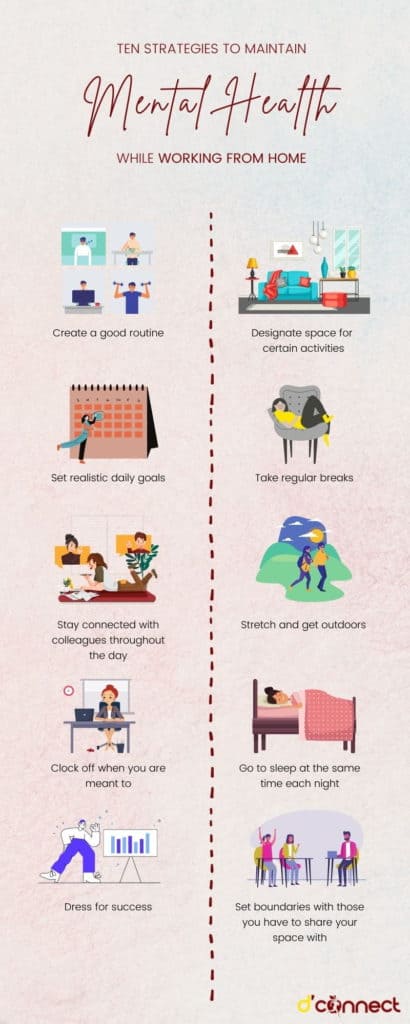
Even in the healthiest environment, your personal boundaries play a huge role. You need to protect your mental space. This means creating a physical workspace that you can leave at the end of the day. It means turning off notifications after hours. It means saying no to meetings that could have been emails.
Remote work requires a level of self-discipline that can feel exhausting. But when paired with the right employer, that discipline leads to autonomy, not anxiety. You have the power to choose who you work for. Don't settle for a remote job that makes you feel more isolated or stressed than a traditional office role would.
Practical Steps to Vet Remote Employers
- Review Glassdoor and Blind: Look specifically for comments about management style and work-life balance. Ignore the generic "great office" reviews if the company is hybrid.
- Ask about "Right to Disconnect": Inquire if the company has a policy that discourages or prohibits contact with employees outside of working hours.
- Check for Team Building: Do they host virtual social events? While some find these forced, their absence can indicate a lack of social connection, which is a major mental health risk for remote workers.
- Look for Mentorship Programs: Loneliness often stems from a lack of growth and connection. Companies with structured mentorship help remote employees feel valued and integrated.
Finding the perfect fit is a process of elimination and self-awareness. Your mental health is an asset, not a liability. Protect it by choosing employers who do the same.
FAQ
What are the biggest mental health risks of working from home?
The most common risks include social isolation, burnout from blurred work-life boundaries, and lack of physical movement. Without the structure of an office, it’s easy to work longer hours and skip breaks, leading to chronic stress.
How can I negotiate mental health benefits in a remote role?
Frame mental health benefits as productivity enhancers. You can negotiate for extra paid leave specifically for wellness days, a stipend for wellness apps (like Headspace or Calm), or a flexible schedule that allows for exercise and family time.
Are all remote companies bad for mental health?
Absolutely not. Many remote-first companies are leaders in employee well-being. They offer asynchronous work models, strong communication cultures, and comprehensive benefits. The key is doing your due diligence to distinguish these from companies that just use "remote" to cut costs.
What should I do if my remote job is making me depressed?
First, assess if the issue is the role, the company culture, or personal factors. If it’s the company, try setting stricter boundaries. If that fails, it may be time to update your resume. Remember, remote work is a choice. You can find a better fit that respects your well-being.