How to Decode Golf Course Construction: A Complete Guide
Why Golf Course Construction Is More Than Just Green Grass
When you stroll across a well‑mown fairway, the polished surface seems effortless. In reality, golf course construction blends civil engineering, agronomy, and environmental stewardship into a single, intricate project. Understanding the process helps owners, investors, and enthusiasts appreciate the hidden work that turns a plot of land into a championship‑ready venue.
Key Phases of Building a Golf Course
1. Site Evaluation and Master Planning
The first step is a thorough site assessment. Engineers map topography, soil composition, and drainage patterns while environmental consultants flag protected habitats. With this data, architects draft a master plan that balances playability, safety, and aesthetic appeal. The plan often includes multiple routing options, allowing stakeholders to weigh cost against strategic design choices.
2. Earthworks and Shaping the Terrain
Once the layout is locked, heavy equipment reshapes the land. Bulldozers, excavators, and graders carve out tee boxes, bunkers, and water features. The goal is to create natural‑looking contours that guide the ball without feeling forced. Modern projects rely on GPS‑guided machines, which improve accuracy and reduce waste.
3. Irrigation and Drainage Systems
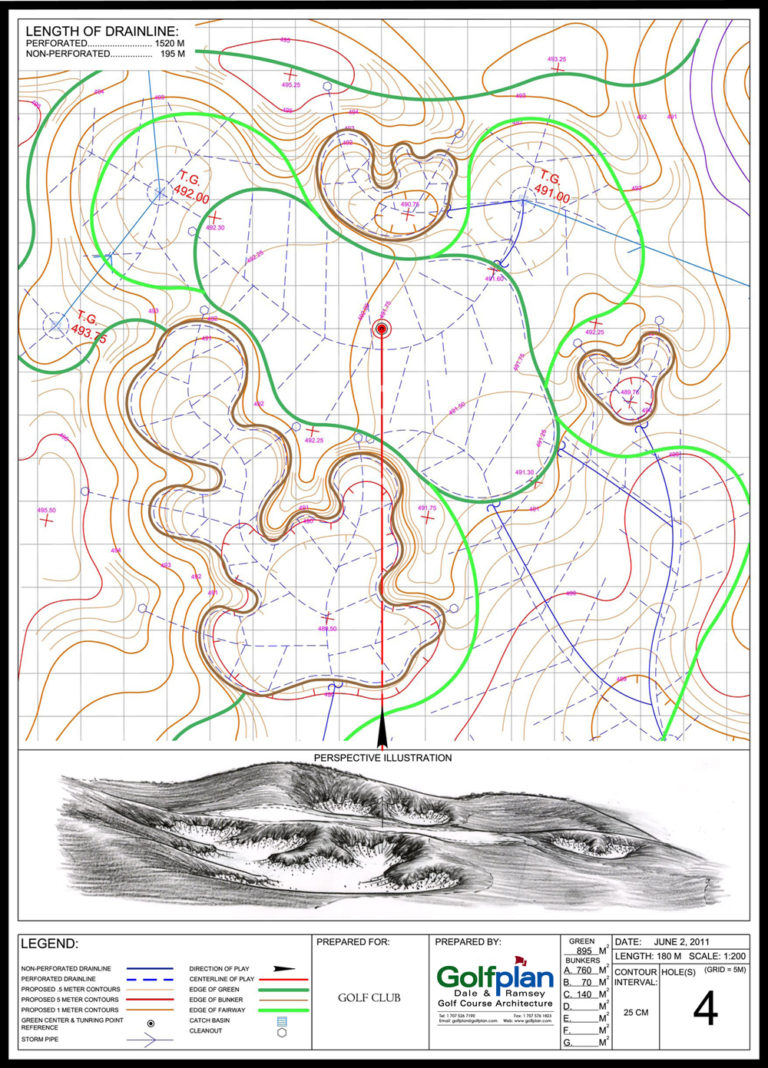
Water management is the lifeblood of any course. Engineers install a network of pipes, pumps, and sprinklers designed to deliver precise moisture levels across varied terrains. Simultaneously, drainage layers—often comprised of gravel and geotextile fabrics—prevent excess water from pooling, preserving turf health and playability even after heavy rain.
4. Shaping Fairways, Greens, and Bunkers
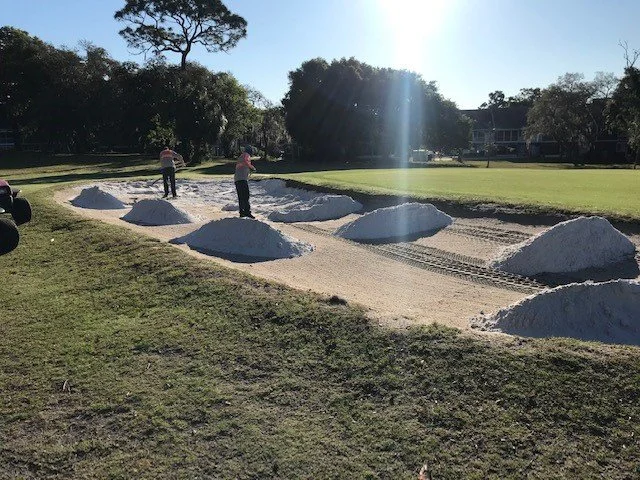
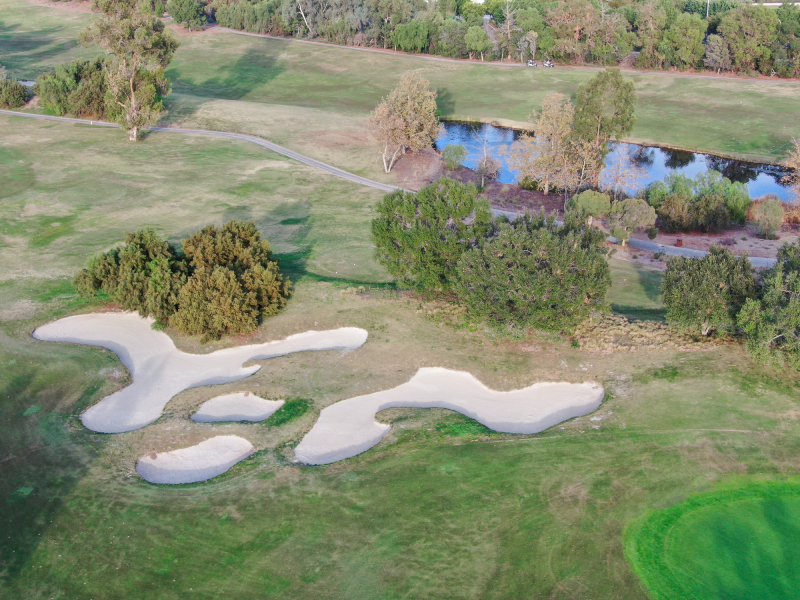
With the groundwork complete, crews fine‑tune the surfaces. Fairways receive a smoother finish, while greens are sculpted to exacting slopes that affect ball roll. Bunkers are built using a blend of sand and native soil, then shaped to provide consistent play conditions. Each element is measured against the master plan to ensure strategic flow.
5. Selecting and Installing Turf
The choice of grass species depends on climate, maintenance budget, and desired playing characteristics. Cool‑season grasses like Bentgrass thrive in northern regions, whereas warm‑season varieties such as Bermuda dominate southern courses. Installation typically involves a combination of sod laying and seeding, followed by a strict overseeding and fertilization schedule to establish a dense, disease‑resistant carpet.
Environmental Considerations and Sustainable Practices
Modern golf course construction strives to minimize ecological impact. Designers incorporate native vegetation buffers, which filter runoff and provide habitat for wildlife. Recycled water—often sourced from nearby lakes or stormwater capture systems—feeds irrigation, dramatically cutting fresh‑water usage. Some projects even integrate solar panels or wind turbines to offset energy consumption, turning a leisure facility into a model of sustainability.
Common Pitfalls and How to Avoid Them
- Underestimating water demand: Skipping detailed hydraulic modeling can lead to costly retrofits once the course is operational.
- Skipping soil testing: Without proper analysis, unsuitable soil may require extensive amendment, jeopardizing turf establishment.
- Overlooking local wildlife corridors: Ignoring protected species routes can result in legal challenges and public backlash.
Budgeting Tips and Cost Drivers
Construction budgets vary widely, but several factors consistently drive costs. Earthmoving accounts for the largest share, especially on hilly sites where extensive grading is required. Irrigation infrastructure—pumps, controllers, and smart sensors—adds a substantial line item, as does high‑quality turf and ongoing maintenance programs. To keep expenses in check, owners should prioritize a phased approach, tackling critical elements first and deferring aesthetic upgrades until revenue stabilizes.
Choosing the Right Professionals
A successful project hinges on collaboration between specialists. Landscape architects translate the vision into technical drawings, while civil engineers ensure the land can support those designs. Agronomists guide turf selection and maintenance protocols, and environmental consultants keep the project compliant with local regulations. Vetting each partner for experience in golf‑specific projects reduces miscommunication and keeps the timeline on track.
FAQ
- What is the typical timeline for constructing an 18‑hole course? Most projects span 18 to 24 months, with earthworks and shaping taking the bulk of the time, followed by turf establishment and irrigation testing.
- Can existing land be retrofitted into a golf course? Yes, but success depends on soil quality, topography, and water availability. Significant grading and drainage upgrades are often necessary.
- How do designers balance playability with environmental stewardship? By integrating natural land features, using drought‑tolerant grasses, and preserving native habitats, designers can create challenging layouts that also protect local ecosystems.
- Is it worth investing in smart irrigation technology? Generally, yes. Sensors and weather‑linked controllers can cut water use by up to 30 % while maintaining optimal turf health.