How to Create a Bootable ISO on Windows 10 – Easy Guide
Whether you’re setting up a fresh install, repairing a system, or building a portable recovery disk, a bootable ISO can save you a lot of hassle. Windows 10 offers several built‑in and third‑party ways to turn an image file into a bootable medium, and you don’t need to be a tech wizard to get it right. Below you’ll find a straightforward walk‑through that covers the most reliable tools, step‑by‑step instructions, and a few tips to avoid common snags.
Why Choose a Bootable ISO?
Bootable ISOs let you start a computer directly from a CD, DVD, or USB stick without loading the operating system first. This is essential for clean installations, firmware updates, and troubleshooting when the primary drive is corrupted. Because the ISO contains a complete, self‑contained copy of the installation media, you can use the same file across multiple machines, ensuring consistency and saving bandwidth.
Tools You Can Use on Windows 10
- Rufus – Free, lightweight, and supports both UEFI and Legacy BIOS boot modes.
- Microsoft Media Creation Tool – Official utility that downloads Windows 10 and creates a bootable USB in one go.
- PowerISO – Commercial software that offers ISO editing and bootable‑media creation.
- DISM & oscdimg – Command‑line utilities bundled with the Windows ADK for advanced users.
For most people, Rufus hits the sweet spot of simplicity and reliability, so the main guide focuses on that program.
Step‑by‑Step: Creating a Bootable ISO with Rufus
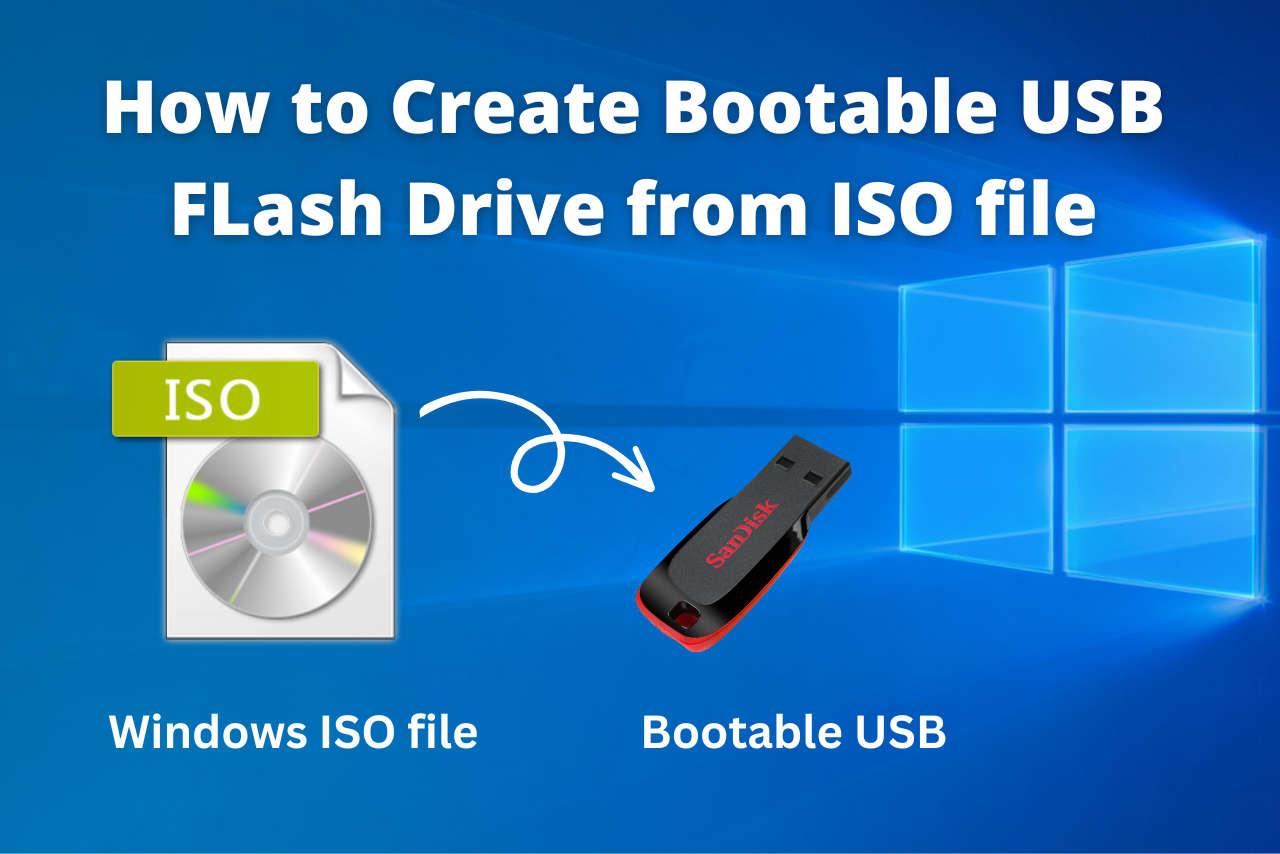
First, download the latest Rufus version from its official site and run the .exe file—no installation needed. Insert a USB drive (at least 8 GB) and make sure any important data on it is backed up, because the process will erase the entire device.
- Launch Rufus; it should automatically detect your USB stick.
- Under Boot selection, click SELECT and browse to the Windows 10 ISO you want to use.
- Leave Partition scheme at GPT if your target PC uses UEFI, or switch to MBR for Legacy BIOS.
- Leave the default file system (usually NTFS) unless you need FAT32 for compatibility with older firmware.
- Give the drive a recognizable name in the Volume label box, then hit START.
- A warning pops up about data loss—confirm it, and Rufus will format the drive and copy the ISO contents.
- When the status bar hits 100 %, click CLOSE. Your USB is now bootable.
To test it, restart the computer, enter the boot menu (often F12, Esc, or Del), and select the USB drive. If you see the Windows setup screen, you’ve done it right.
Alternative Method: Using the Media Creation Tool
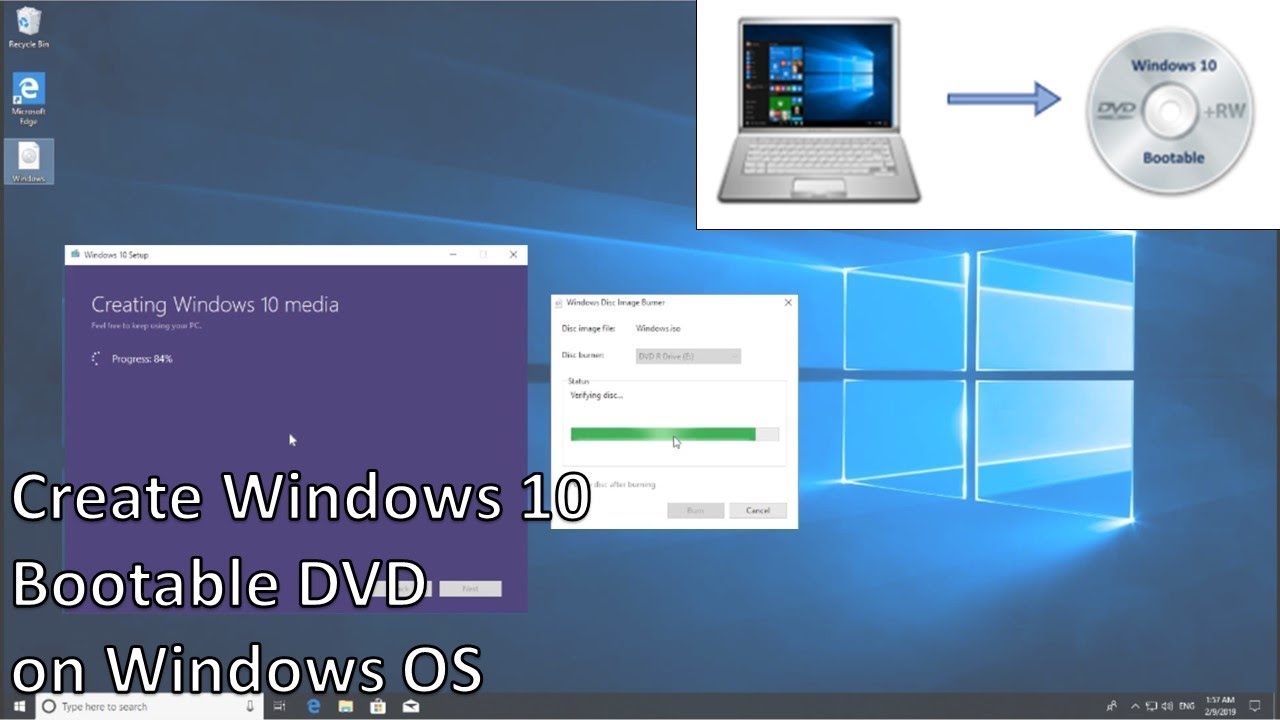
If you prefer an all‑Microsoft solution, the Media Creation Tool handles both downloading the latest Windows 10 image and writing it to a USB drive. Download the tool from Microsoft’s website, run it, and choose “Create installation media (USB flash drive, DVD, or ISO file) for another PC.”
After you select language, edition, and architecture, pick the USB flash drive option, then select your inserted drive from the list. The tool will format the stick, download the latest files, and make it bootable—all without any extra software.
The downside is that you can’t customize the ISO (for example, add drivers or updates) before it’s written, but for a pure Windows install the method is rock‑solid.
Verifying Your ISO Before You Burn
It’s a good habit to confirm the integrity of the ISO, especially if you downloaded it from a third‑party site. Open PowerShell and run:
Get-FileHash -Path "C:\Path\To\Your\Windows10.iso" -Algorithm SHA256Compare the resulting hash with the official checksum posted on Microsoft’s download page. A match means the file hasn’t been corrupted or tampered with. If you notice a mismatch, delete the ISO and download it again.
Common Pitfalls and How to Avoid Them
Wrong partition scheme. Trying to boot a GPT‑formatted USB on an older BIOS machine will result in a “no bootable device” error. Double‑check the target PC’s firmware mode and choose the matching scheme in Rufus.
Insufficient USB size. Windows 10’s media often exceeds 4 GB, so a 4 GB stick won’t cut it. Stick to at least 8 GB, and verify there’s enough free space before you start.
Missing drivers. If you plan to install on hardware that requires specific storage or network drivers, consider slipping those files into the ISO using a tool like PowerISO before you make the USB. That way the setup won’t halt waiting for missing components.
FAQ
Can I create a bootable ISO without third‑party software?
Yes. Microsoft’s Media Creation Tool does the job entirely with native Windows components, but it only works for Windows 10 images. For other Linux or custom ISOs you’ll need a third‑party utility such as Rufus.
What if my PC only supports Legacy BIOS?
When using Rufus, select MBR for the partition scheme and BIOS (or UEFI‑CSM) for the target system. This ensures the USB will present a classic Master Boot Record that older firmware can read.
Do I need to format the USB manually before creating the ISO?
No. Both Rufus and the Media Creation Tool handle formatting automatically. In fact, manually formatting can sometimes leave hidden partitions that interfere with the boot process.
How can I make the USB reusable for future Windows builds?
After you’ve completed an installation, you can simply delete the old files and run Rufus again with a newer ISO. The tool will reformat the drive, so there’s no need for a separate cleanup step.