How to Classify Client Gifts in Your Expense Ledger
When you hand a holiday basket or a branded notebook to a client, the gesture feels straightforward—until the accountant asks, “Which expense category does that belong to?” Picking the right bucket isn’t just bookkeeping housekeeping; it can affect tax deductions, budgeting clarity, and even compliance with corporate policies. Below we walk through the thinking process, common categories, and practical steps to make sure your client‑gift expenses land where they belong.
Why the Category Matters
Most businesses treat client gifts as a cost of nurturing relationships, but the tax code draws a line between “ordinary and necessary” business expenses and personal or non‑deductible items. Mis‑classifying a gift can inflate your profit‑and‑loss statement, trigger an audit, or cause you to miss out on a legitimate deduction. The right category also feeds accurate reporting for internal performance metrics—sales teams love to see how much they’re spending on relationship‑building versus travel or marketing.
Common Expense Accounts for Client Gifts
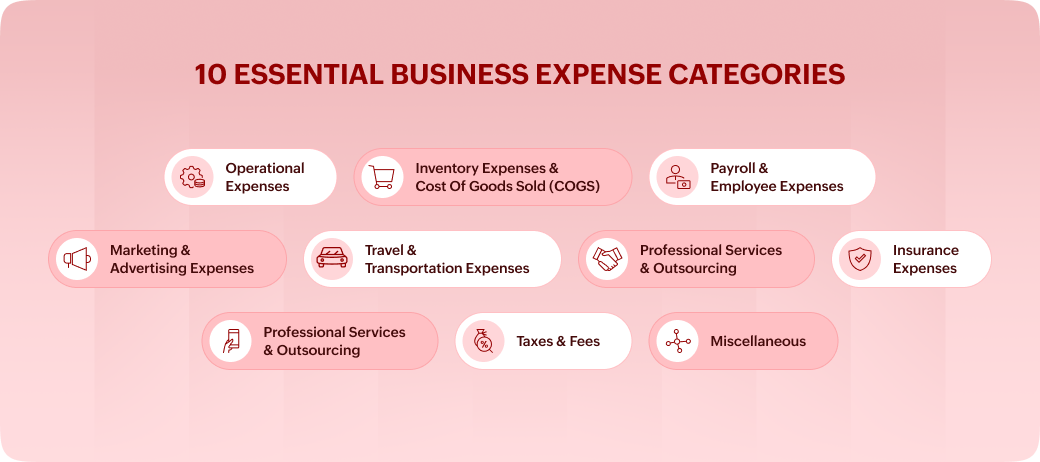
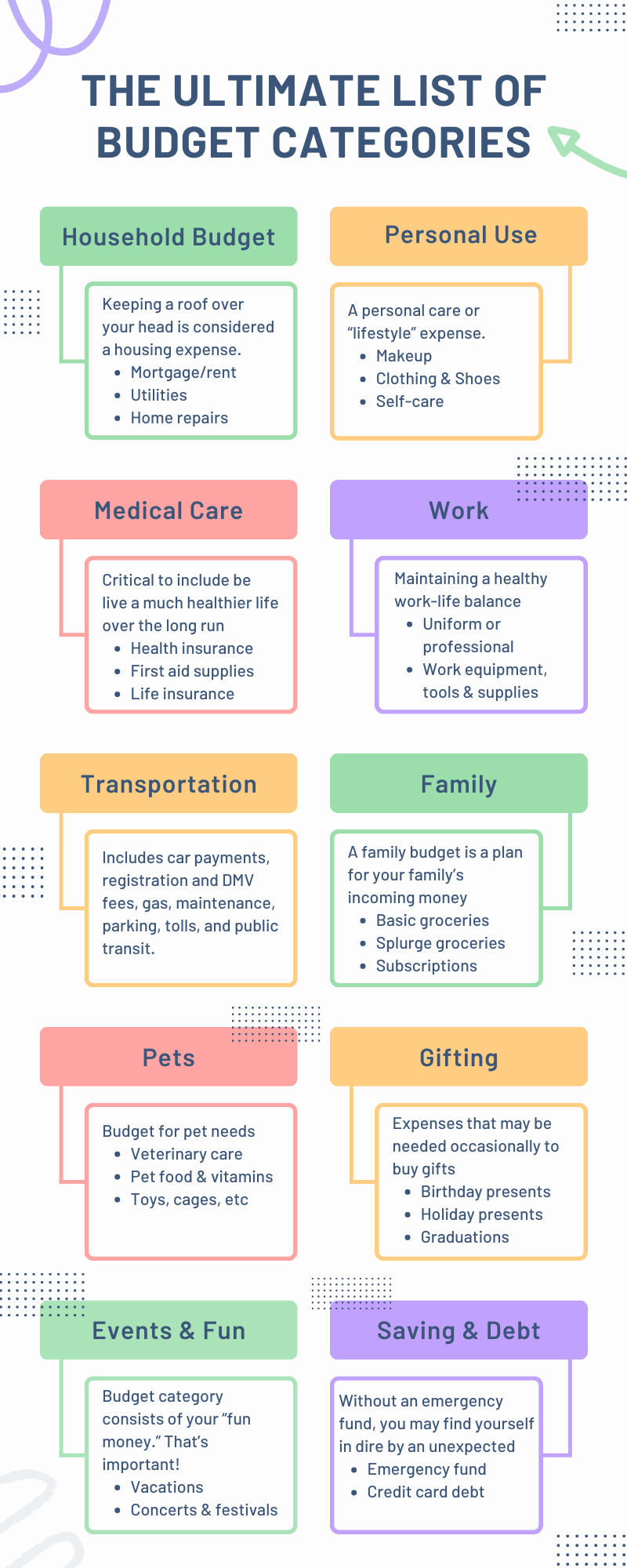
- Entertainment & Meals – Small tokens that accompany a business meal (e.g., a bottle of wine) often fall here, especially if the gift is inseparable from the dining experience.
- Marketing & Promotions – Branded swag, holiday hampers, or giveaway items that promote your brand typically belong in this bucket.
- Professional Services – Client Relations – Some firms create a dedicated “Client Relations” expense line for high‑value gifts that support long‑term contracts.
- Travel & Hospitality – If a gift is part of a larger travel package (e.g., a complimentary spa day for a client’s stay), it may be logged under travel expenses.
- Miscellaneous – Small Tokens – Low‑value items (often under a set monetary threshold, like $25 per recipient) can be grouped into a catch‑all “Miscellaneous” account, provided your policy permits it.
Steps to Choose the Right Category
1. Identify the purpose. Ask yourself whether the gift is primarily a marketing tool, a relationship‑building gesture, or a perk tied to a specific event. The purpose often points to the correct account.
2. Check the dollar value. Many tax authorities set a de‑minimis threshold (for example, $25 per client per year in the U.S.) above which a gift must be recorded separately and may lose its deductibility.
3. Consult your corporate policy. Larger organizations usually have a gift‑policy matrix that maps dollar ranges and types of gifts to expense codes.
4. Consider the recipient. Gifts to individuals versus corporations can be treated differently; a gift to a key decision‑maker may be logged as “Client Relations,” while a corporate‑wide holiday basket fits under “Marketing.”
5. Document the context. Include a brief note—who received it, why, and its estimated value. Good documentation smooths the audit trail and clarifies the deduction rationale.
Tax Implications to Keep in Mind
In the United States, the IRS allows a deduction for business gifts up to $25 per recipient per year. Anything beyond that is nondeductible, though you still record the expense for internal tracking. Other jurisdictions have similar limits, but the thresholds vary. If a gift doubles as advertising (e.g., a logo‑printed item), it may be fully deductible as a marketing expense, sidestepping the $25 cap.
When in doubt, treat the gift as a nondeductible “Entertainment” expense and let your tax advisor confirm whether any portion qualifies as a marketing spend. The distinction often hinges on whether the item’s primary purpose is to promote your brand rather than simply to please the recipient.
Documenting and Reporting Best Practices
Proper paperwork is the unsung hero of expense categorization. A solid receipt, a brief memo, and the correct expense code together create a transparent trail.
- Attach a digital copy of the receipt to the expense report.
- Use the “Notes” field to record the client name, occasion, and estimated value.
- If the gift exceeds the de‑minimis limit, flag it for tax review.
- Periodically run a report to see total spend by category; spikes may indicate policy breaches or budgeting issues.
Tips to Avoid Common Mistakes
Even seasoned accountants slip up. Here are a few quick safeguards:
- Don’t lump everything into “Miscellaneous.” Overuse of a catch‑all account defeats the purpose of categorization.
- Watch for duplicate entries. A gift logged under “Marketing” and again under “Client Relations” inflates expenses.
- Stay aware of regional rules. If you operate in multiple countries, each may have its own gift‑deduction limits.
- Review annually. Policies evolve; a gift that was deductible last year might not be this year.
When to Seek Professional Advice
If you regularly give high‑value gifts—think corporate retreats, premium tech devices, or travel vouchers—the line between a deductible business expense and a personal benefit can blur. In such cases, a quick consult with a tax professional can save you headaches down the road. They can help you set up a tiered expense structure, ensuring that large gifts are recorded in a way that aligns with both internal controls and external regulations.
FAQ
What is the typical tax deduction limit for client gifts?
In the U.S., the IRS caps deductible business gifts at $25 per recipient per year. Other countries have similar limits, but the exact amount varies, so always check local tax guidelines.
Can a branded pen be considered a marketing expense?
Yes, if the pen carries your company logo and is distributed as part of a promotional campaign, it usually qualifies as a marketing expense, which is fully deductible.
How should I record a $100 holiday basket for a client?
Because the value exceeds the $25 deduction limit, you would record it as a nondeductible expense—often under “Entertainment” or “Client Relations”—and note the amount for internal budgeting.
Do I need a receipt for every small gift?
While a receipt is ideal, many companies accept a written note for low‑value items under the de‑minimis threshold, especially when the receipt is unavailable (e.g., a free promotional item). However, best practice is to keep documentation whenever possible.