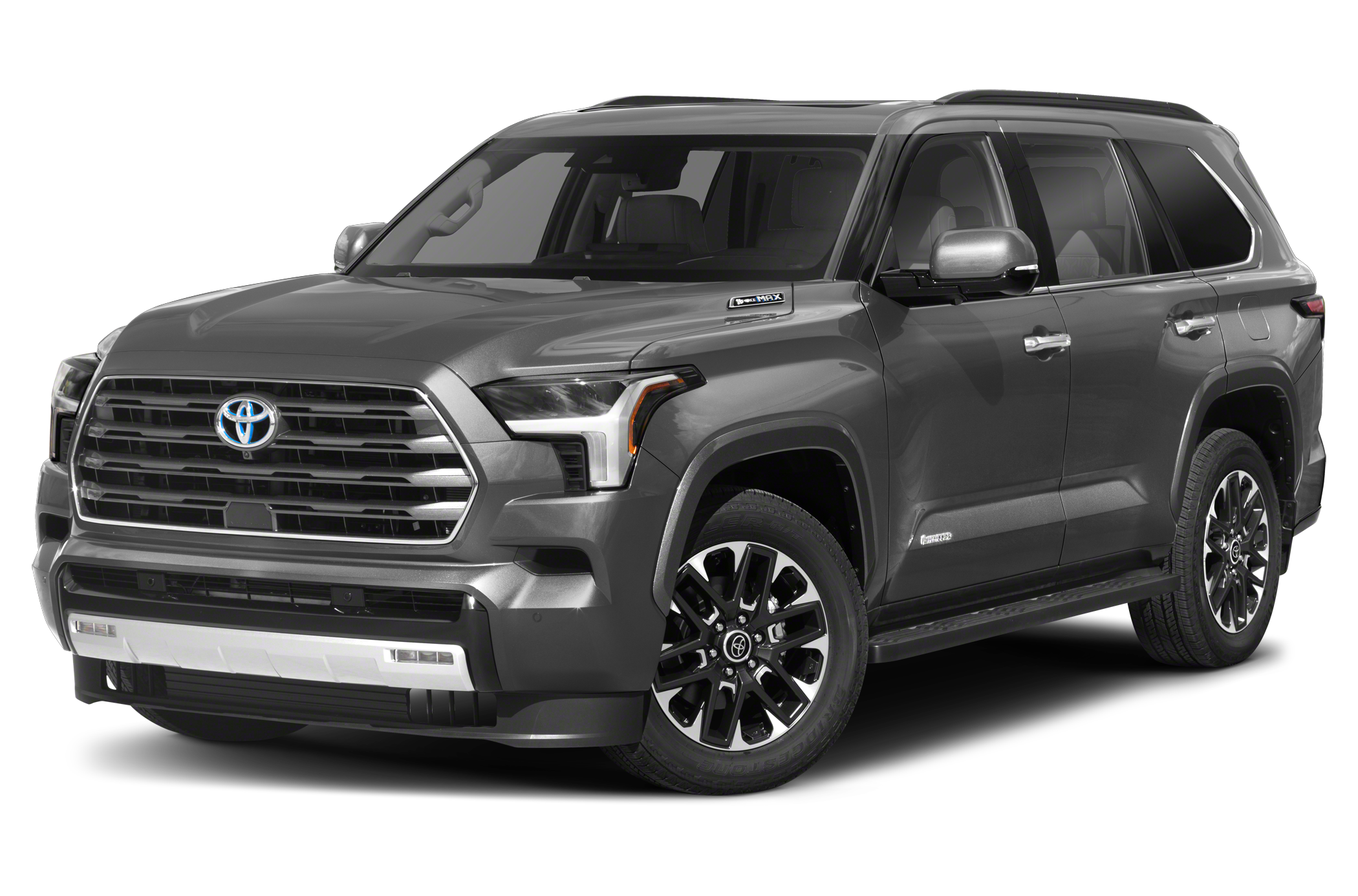
How to Become an Automotive Engineer: A Practical Guide
Dreaming of designing the next generation of cars, trucks, or electric vehicles? The road to a career in automotive engineering isn’t a single straight line, but with the right mix of education, hands‑on work, and industry connections you can steer yourself toward a fulfilling role on the drawing board and the test track.
Educational Foundations
Most employers expect a solid grounding in engineering principles, which typically starts with a bachelor’s degree. While a specific “automotive engineering” major is offered at a handful of schools, degrees in mechanical, electrical, or mechatronics engineering cover the core physics, materials science, and control systems you’ll need.
High School Prep
- Focus on math (calculus, geometry) and physics.
- Take computer‑science or coding classes; many vehicle systems are software‑driven.
- Join a robotics club or a STEM competition to practice problem‑solving in a team setting.
Bachelor’s Degree Options
When choosing a program, look for curricula that include:
- Thermodynamics and fluid dynamics – essential for powertrain design.
- Vehicle dynamics and chassis engineering – the science of handling and ride comfort.
- CAD and simulation tools such as SolidWorks, CATIA, or ANSYS.
- Elective courses in electric propulsion, autonomous systems, or sustainable materials.
Many schools also partner with car manufacturers for capstone projects, giving you a chance to work on a real‑world prototype before you graduate.
Key Skills and Hands‑On Experience
Technical knowledge alone won’t land you the job; employers look for a blend of soft and hard skills. Below are the most valuable competencies for an aspiring automotive engineer.
- Problem‑solving mindset: Vehicles are complex, so you must diagnose issues from a single symptom to a system‑wide failure.
- Proficiency with CAD and simulation: Being able to model parts quickly speeds up the design cycle.
- Understanding of electronics: Modern cars rely heavily on sensors, ECUs, and software.
- Team collaboration: Projects involve designers, manufacturers, and marketers; clear communication is key.
- Adaptability: The industry is shifting toward electrification and autonomy, so continuous learning is essential.
Internships and Co‑ops: Getting Real‑World Exposure
Nothing replaces the insight you gain on the shop floor or in a design studio. Secure an internship early—ideally after your sophomore year—to observe how theoretical concepts translate into physical prototypes. Large automakers, tier‑one suppliers, and even start‑ups offer summer programs that range from powertrain testing to software integration.
If a full‑time internship isn’t available, consider a co‑op arrangement where you alternate semesters of study with work periods. This extended exposure often leads to a job offer upon graduation and helps you build a professional network that can be invaluable when you start applying for full‑time roles.
Licensing, Certifications, and Professional Organizations
In many countries, a professional engineering (PE) license isn’t mandatory for automotive design, but it does boost credibility, especially if you aim for senior or managerial positions. To earn a PE, you’ll need an accredited degree, pass the Fundamentals of Engineering (FE) exam, gain relevant work experience, and then clear the Principles and Practice of Engineering (PE) exam.
Beyond licensing, certifications such as SAE’s “Automotive Engineering Fundamentals” or Autodesk’s “Certified Professional – Inventor” demonstrate specialized competence. Joining groups like the Society of Automotive Engineers (SAE) or the International Council on Systems Engineering (INCOSE) gives you access to technical papers, conferences, and mentorship programs.
Career Pathways and Advancement
Entry‑level positions often start as “design engineer” or “validation engineer,” where you’ll focus on specific components—perhaps a suspension system or an electric motor controller. As you accumulate experience, you can move into roles like “lead systems engineer,” “project manager,” or “technical director.”
Many automotive engineers also transition into related fields such as aerospace, renewable energy, or robotics, leveraging their expertise in high‑performance systems. If entrepreneurship appeals to you, the rise of electric‑vehicle start‑ups means there’s room to launch your own venture with a solid technical foundation.
Frequently Asked Questions
What degree is best for an automotive engineering career?
A bachelor’s in mechanical engineering is the most common pathway, but degrees in electrical, mechatronics, or a dedicated automotive engineering program are equally valuable if they include relevant coursework and project experience.
Do I need a professional engineering license to work for a car manufacturer?
Not typically for entry‑level design roles, but a PE license becomes advantageous for senior engineering, consultancy, or when you need to sign off on safety‑critical designs.
How important are internships in landing a full‑time job?
Extremely important. Internships provide practical experience, professional references, and often serve as a direct pipeline to full‑time offers, especially at larger firms that prefer to hire from their own talent pool.
What emerging technologies should I focus on?
Electric powertrains, autonomous driving algorithms, and lightweight composite materials are currently reshaping the industry. Gaining proficiency in battery management systems or AI‑based driver assistance will keep you competitive.