How to 3D Print with Your iPhone LiDAR: Apps & Steps
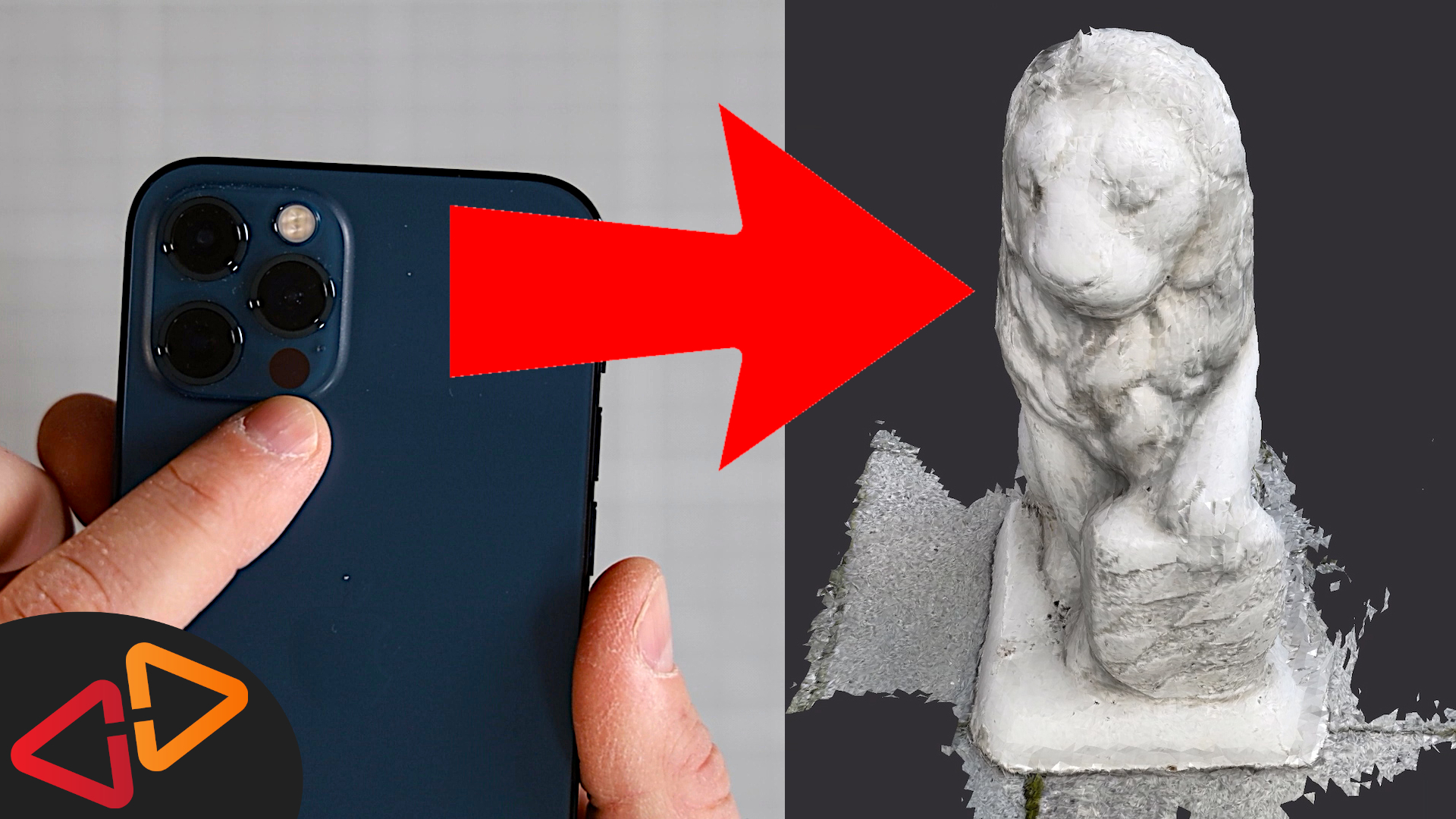
Every iPhone user who owns an iPhone 12 Pro or newer has a hidden gem: the built‑in LiDAR scanner. It lets you capture depth data with millimeter precision, turning ordinary objects into 3D printable models. Whether you’re a hobbyist, a designer, or a student, learning how to 3D print with iPhone LiDAR can save time and cost. Below you’ll find a practical guide that walks you from the first scan to the final print.
3D Print with iPhone LiDAR: Choosing the Right App
While the iPhone’s hardware is powerful, the software determines how smoothly you’ll convert a scan into a printable mesh. The top choices today are 3D Scanner App, Polycam, and 3D Builder. Each offers a free tier, but the paid versions unlock higher‑resolution meshes, export options, and cloud storage. Pick an app that fits your workflow and budget, then follow the same core steps that apply to all.
Why LiDAR Works for 3D Printing
The LiDAR sensor measures the distance to surfaces by sending out laser pulses and timing the reflection. Because it captures millions of points in a single second, the resulting point cloud is dense enough to produce smooth surfaces once processed. Unlike photogrammetry, LiDAR does not depend on lighting conditions; a dim room or a reflective surface will not ruin your scan. The result is a file that can be fed straight into slicer software for printing.
Step‑by‑Step Guide to Scanning, Editing, and Exporting
1. Scanning the Object
- Place the object on a flat, non‑reflective surface. Avoid shiny finishes that confuse the sensor.
- Open your chosen app. Start a new scan and keep your phone steady while circling the object.
- Capture all angles. Most apps auto‑merge multiple passes, but a full 360° view ensures no gaps.
2. Editing the Point Cloud
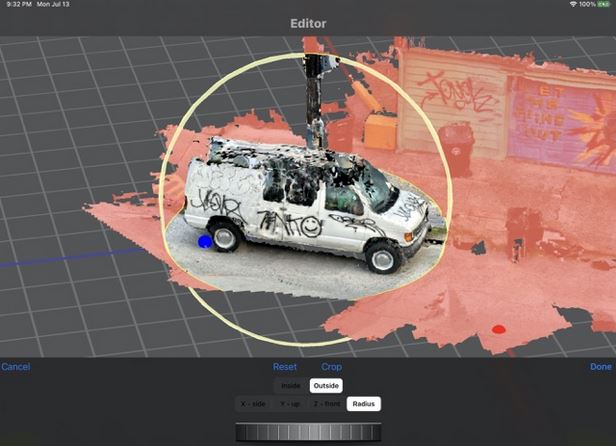
- Trim the background by selecting the “crop” tool; this reduces file size.
- Use the “smooth” filter to lower noise in areas where the LiDAR struggled.
- Delete stray points that lie far from the main cluster.
3. Converting to a Mesh
- Apply the “mesh” or “surface” function; the app will stitch points into triangles.
- Inspect the mesh for holes or missing faces; most apps highlight problematic areas.
- Repair automatically or use a dedicated mesh editor if you’re comfortable.
4. Cleaning the Mesh for Printing
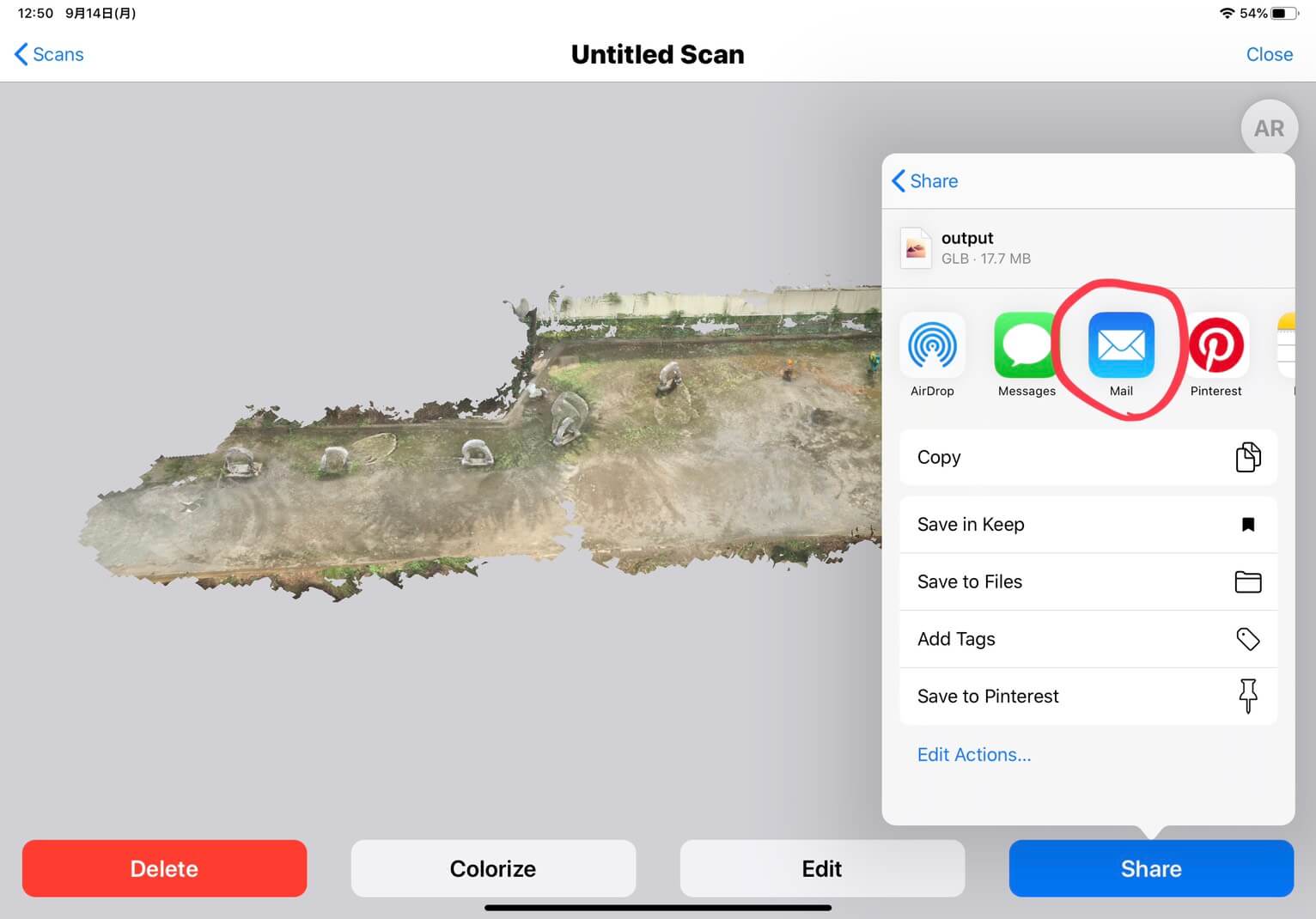
- Export the mesh as
.STLor.OBJ. - Open it in a slicer (e.g., Cura, PrusaSlicer) or a mesh repair tool like Netfabb.
- Run a “repair” operation to seal holes, remove internal geometry, and optimize polygons.
- Scale the model to your printer’s build volume before proceeding.
Exporting and Preparing for Print
- Choose the correct orientation: align the long axis with the printer bed to reduce overhang.
- Apply support settings if the model has overhanging sections; most slicers auto‑generate supports.
- Set layer height based on desired detail; finer layers increase print time.
- Save the G‑code to an SD card or send directly to the printer via Wi‑Fi.
Tips for a Successful Print
- Use a brim or raft. This keeps the base of the model stable.
- Keep the print environment temperature steady; a small fan can help reduce warping.
- Print a test piece first; it reveals issues with scaling or support placement.
- Consider printing in a material with a higher impact resistance if the object will bear load.
Troubleshooting Common Issues
- Warped edges. Increase adhesion by using glue sticks or a heated bed.
- Missing details. Check the mesh for holes; re‑scan the area if necessary.
- Inconsistent layer heights. Verify slicer settings; a mismatched layer height can cause stringing.
FAQ
What iPhone models support LiDAR?
LiDAR is available on iPhone 12 Pro, 12 Pro Max, 13 Pro, 13 Pro Max, 14 Pro, 14 Pro Max, and newer Pro models.
Can I scan reflective objects with LiDAR?
Reflective surfaces can cause noise; using a matte spray coat or scanning from multiple angles helps improve accuracy.
Do I need a paid version of the app?
Free tiers often limit resolution or export formats.