How RFID Is Revolutionizing Airport Baggage Handling
When you drop your suitcase at the check‑in desk, you rarely think about the invisible tags that follow it through the terminal. RFID in airport baggage handling is the technology that lets airlines track each piece in real time, cut down misplacements, and keep the carousel moving. The shift from barcode stickers to radio‑frequency identification isn’t just a neat upgrade—it’s a response to the relentless pressure on airports to process more passengers faster while maintaining safety standards.
RFID in Airport Baggage Handling: Why It Matters
Traditional barcode systems require a clear line of sight, which means every bag must be manually scanned at each checkpoint. Miss a scan, and the bag can easily slip into the wrong stream. RFID tags, by contrast, emit a radio signal that can be read from several meters away, even when the bag is stacked or moving at high speed. This capability translates into three tangible benefits:
- Higher accuracy: Mis‑routed bags drop dramatically because the system continuously verifies each tag’s location.
- Faster processing: Conveyors equipped with RFID readers can scan dozens of bags per second, keeping lines short.
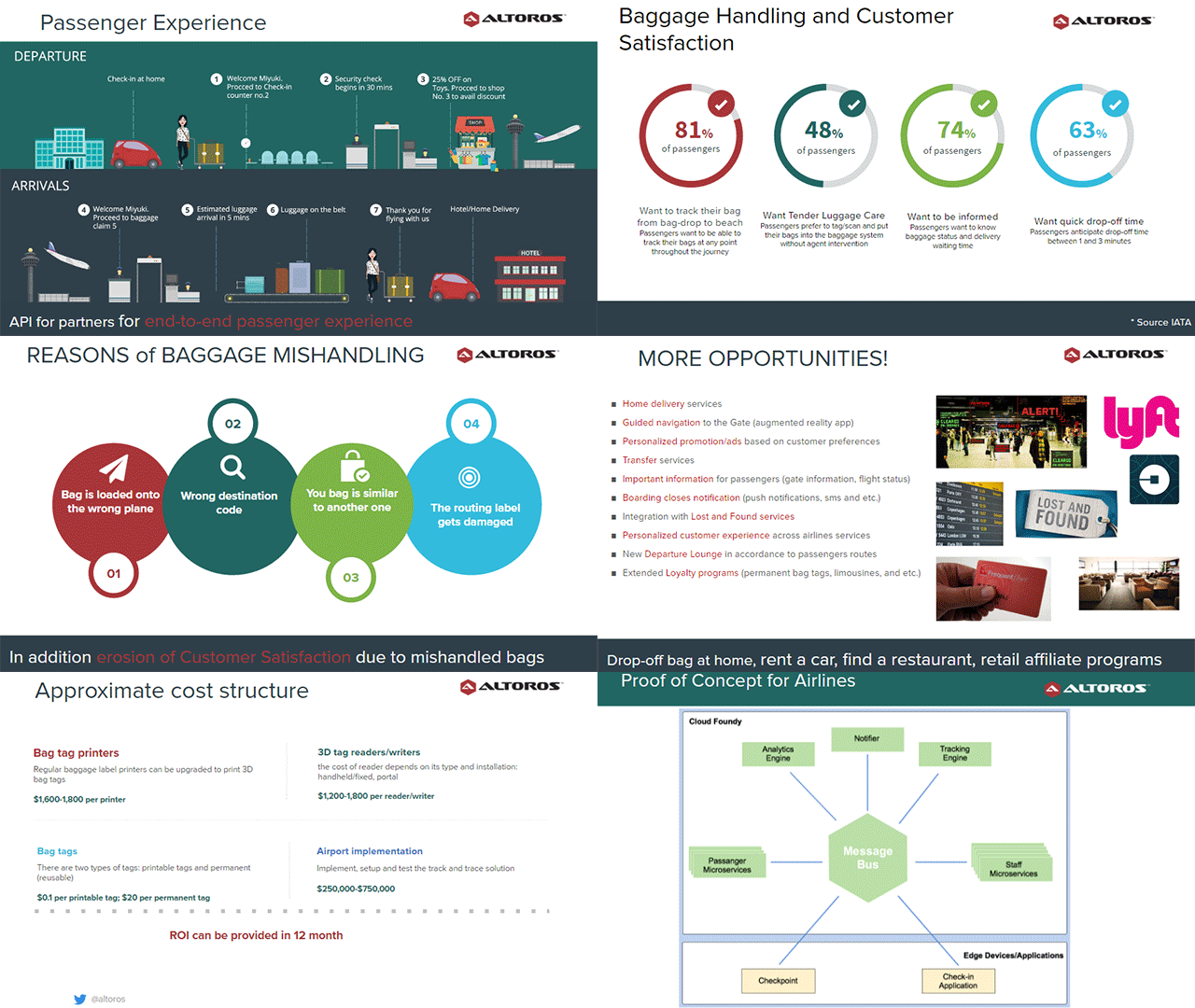
- Better passenger experience: Real‑time updates let travelers know exactly where their luggage is, reducing anxiety.
Core Components of an RFID Baggage System
Implementing RFID isn’t just about sticking a chip on a suitcase. A typical airport deployment includes four key elements:
- Passive RFID tags: Small, battery‑free labels that harvest energy from the reader’s signal. They’re durable enough to survive rough handling and temperature changes.
- RFID readers: Antennas placed along conveyor belts, at security checkpoints, and near aircraft doors. Modern readers can handle multiple frequencies to avoid interference.
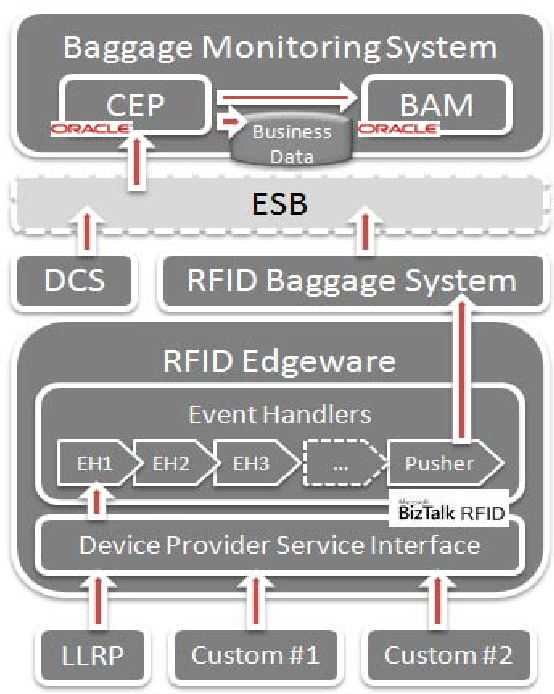
- Middleware software: The “brain” that aggregates tag data, matches it to passenger manifests, and triggers alerts when anomalies appear.
- Integration layer: Connects the RFID platform with airline reservation systems, ground‑handling software, and passenger‑facing apps.
How RFID Improves Accuracy and Speed
Imagine a bag traveling from check‑in to the aircraft. With RFID, each reader logs the bag’s timestamp and location, creating a digital breadcrumb trail. If a bag deviates from its expected path, the system flags it instantly, allowing staff to intervene before the bag reaches the wrong carousel. This pre‑emptive approach cuts the average mishandling rate from roughly 5 % with barcodes to under 1 % in many RFID‑enabled hubs.
Speed gains are equally impressive. A single RFID reader can capture dozens of tags per second, compared to the manual scan that might handle only a handful. During peak travel periods, this difference can shave minutes off the overall baggage‑to‑aircraft turnaround time—a critical factor for airlines that aim to keep flights on schedule.
Challenges and Considerations
Despite its advantages, rolling out RFID across an entire airport is not a plug‑and‑play project. Some of the most common hurdles include:
- Initial investment: Tag procurement, reader installation, and software licensing can run into tens of millions of dollars for a large hub.
- Tag compatibility: Different airlines may use varying tag formats, requiring a standardized protocol to ensure seamless reading.
- Signal interference: Metallic baggage containers, dense stacks of luggage, or nearby Wi‑Fi networks can degrade read rates, demanding careful antenna placement.
- Privacy concerns: Passengers sometimes wonder if RFID tags could be tracked beyond the airport. Most tags are passive and only activate when within range of a reader, limiting exposure.
Addressing these issues typically involves phased deployments—starting with high‑traffic zones, conducting pilot studies, and iteratively refining system parameters.
Future Trends: From RFID to Smart Baggage
RFID is already the backbone of modern baggage handling, but the next wave of innovation promises even smarter luggage. Emerging concepts include:
- IoT‑enabled tags: Equipped with sensors that monitor temperature, humidity, or even shock, these tags can alert airlines if a bag experiences rough handling.
- Blockchain verification: By recording each tag’s read event on a tamper‑proof ledger, airlines could provide passengers with immutable proof of a bag’s journey.
- Dynamic routing algorithms: Combining RFID data with AI can optimize conveyor paths in real time, further reducing bottlenecks.
While many of these ideas remain in trial phases, early adopters report noticeable improvements in both operational efficiency and passenger satisfaction.
Frequently Asked Questions
What’s the difference between RFID tags and barcode stickers?
Barcodes require a direct line of sight and must be scanned individually, whereas RFID tags emit radio waves that can be read automatically from a distance, even through other bags.
Do RFID tags need batteries?
Most baggage tags are passive, meaning they harvest energy from the reader’s signal and contain no battery, which keeps costs low and eliminates maintenance.
Can I opt out of having an RFID tag on my luggage?
Airlines generally require a tag for each checked bag to ensure proper tracking. Some carriers may allow a manual barcode alternative, but this is becoming rarer as RFID adoption grows.
How secure is the data transmitted by RFID tags?
Tag data usually includes only a unique identifier linked to the airline’s internal systems. The information is encrypted during transmission and is not readable by standard consumer devices.