How OpSec Identifies Critical Information and Why It Matters
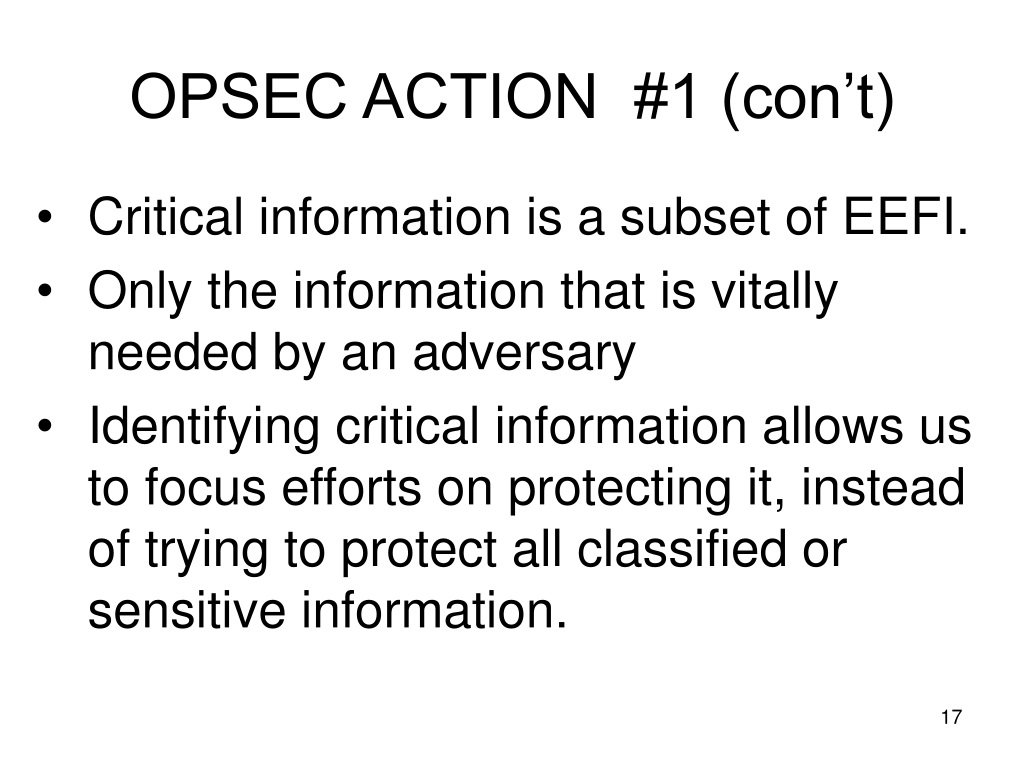
When you hear the term “critical information,” you might picture secret files or high‑value data. In the world of operational security (OpSec), the definition is broader—and the stakes are just as high. OpSec treats any piece of information that, if disclosed, could compromise a mission, a business, or personal safety as critical. Understanding how this classification works helps organizations shield themselves from both obvious and subtle threats.
What Operational Security Actually Means
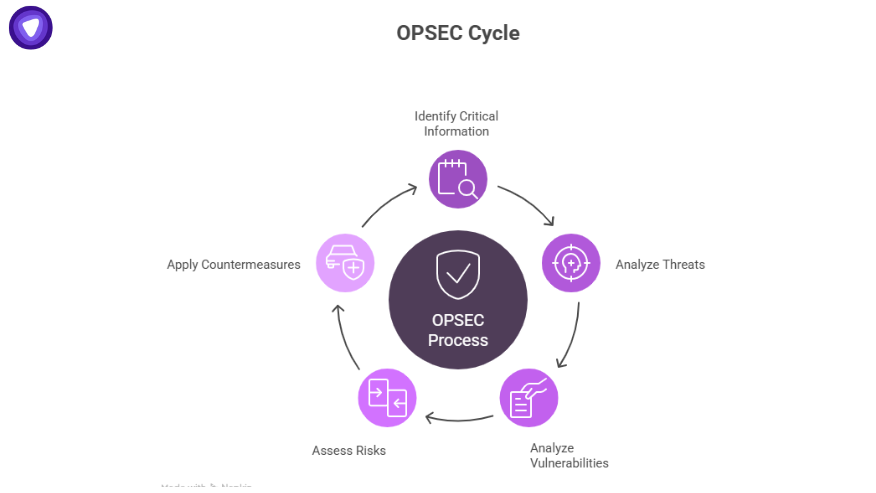
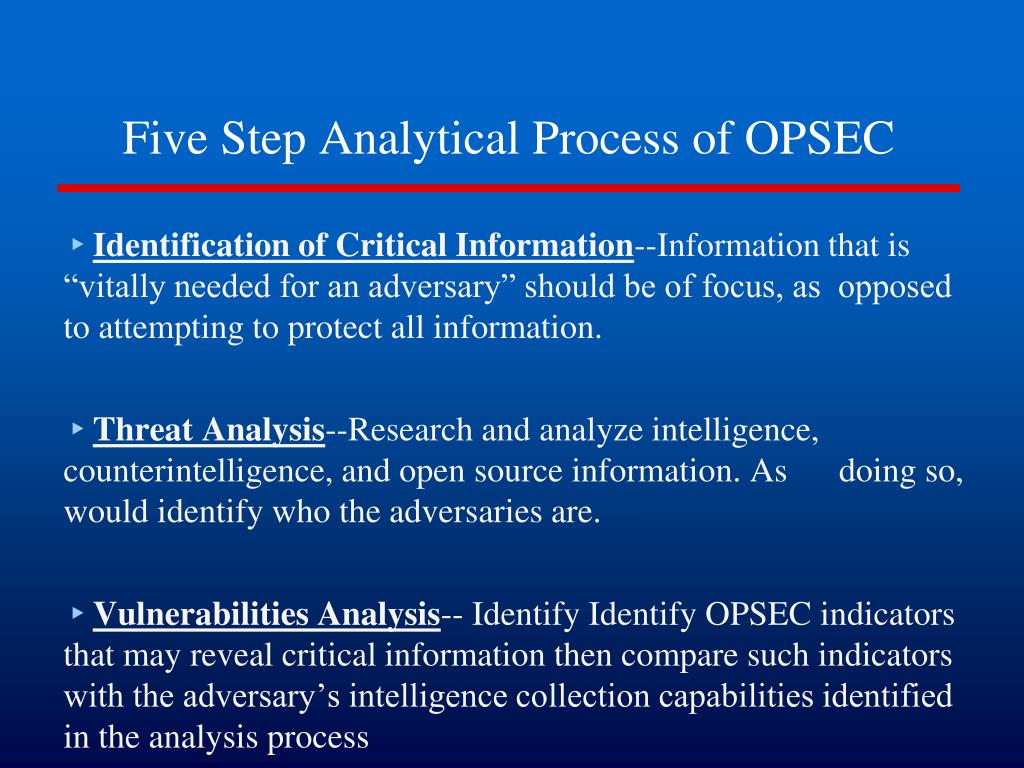
OpSec isn’t a new gadget; it’s a mindset that originated in the military and has since migrated to corporate and personal spheres. At its core, OpSec asks the simple question: “What do we need to protect, and why?” The process blends risk assessment, threat analysis, and practical safeguards. Rather than relying on a single technology, OpSec weaves together policies, training, and everyday habits to keep the right information out of the wrong hands.
Criteria OpSec Uses to Flag Critical Information
OpSec doesn’t label every spreadsheet as critical. Instead, it follows a set of criteria that weigh the potential impact of exposure. Typically, information is deemed critical if it meets one or more of the following:
- Mission Impact: The data could jeopardize the success of a specific operation or project.
- Competitive Advantage: Its loss would erode a company’s market edge or intellectual property.
- Legal or Regulatory Consequences: Disclosure could trigger fines, lawsuits, or loss of licensing.
- Personal Safety: Revealing the data could put individuals at risk of harassment, kidnapping, or other harm.
These categories overlap; a single document might satisfy several at once, making it a top‑priority target for adversaries.
Real‑World Examples Across Sectors
Seeing the abstract definition in action makes it easier to spot critical information in your own environment.
Military: Detailed troop movements, encryption keys, and supply chain routes are classic examples. If an opponent learns where a unit will be deployed, the entire operation could collapse.
Corporate: Product roadmaps, merger negotiations, and customer databases fall under the critical umbrella. A leaked roadmap can give rivals a head start, while a breached customer list invites identity‑theft lawsuits.
Cybersecurity: Server credentials, source code, and vulnerability reports are especially sensitive. Once an attacker obtains a private exploit, they can weaponize it before a patch is released.
Personal: Home addresses, financial records, or even a routine travel schedule can be critical if they enable stalking or fraud. The line between “private” and “critical” blurs when personal safety is on the line.
Practical Steps to Safeguard Critical Information
Identifying critical information is only half the battle; protecting it requires a layered approach.
1. Label and Catalog – Use clear markings (e.g., “Confidential,” “Highly Sensitive”) and maintain an inventory that maps each item to its risk level. This helps everyone know what’s at stake.
2. Limit Access – Apply the principle of least privilege. Only those who need a piece of data for their job should be able to view or edit it.
3. Encrypt in Transit and at Rest – Modern encryption standards, such as AES‑256, protect data whether it’s moving across a network or sitting on a hard drive.
4. Monitor and Audit – Continuous logging and regular audits reveal unusual access patterns before they become full‑blown breaches.
5. Educate the Human Element – Phishing simulations, secure‑handling workshops, and clear reporting channels empower staff to act as the first line of defense.
Common Pitfalls and Misconceptions
Even seasoned teams stumble over a few recurring errors.
Many assume that “critical” automatically means “classified,” but OpSec’s scope includes unclassified data that could still cause damage. Another frequent mistake is over‑securing low‑risk information, which can create bottlenecks and encourage workarounds that actually weaken security. Finally, some organizations treat OpSec as a one‑time project instead of an ongoing discipline; threats evolve, and so must the criteria for what counts as critical.
Why a Proactive OpSec Culture Pays Off
When critical information is clearly defined and protected, the ripple effects are noticeable. Teams spend less time reacting to incidents, compliance audits become smoother, and trust—both internal and external—strengthens. In a world where data leaks dominate headlines, a robust OpSec framework turns a potential crisis into a manageable risk.
FAQ
What is the difference between “sensitive” and “critical” information?
Sensitive data warrants protection, but critical information is a subset whose loss would directly impair mission success, competitive standing, or personal safety.
How often should an organization review its list of critical information?
Best practice is to conduct a formal review at least annually, with additional checks after major projects, mergers, or regulatory changes.
Can small businesses benefit from OpSec?
Absolutely. Even a modest e‑commerce site has critical data—customer payment details, inventory levels, and supplier contracts—that, if compromised, could cripple operations.
Is encryption enough to protect critical information?
Encryption is vital, but it must be paired with access controls, monitoring, and employee training to address the full spectrum of threats.