How New Food Packaging Innovations Are Shaping the Future
Food packaging innovations are rapidly reshaping the way we protect, present, and preserve what we eat. From plant‑based polymers that dissolve harmlessly after use to QR codes that tell a product’s story, the industry is moving beyond simple containment toward smarter, greener solutions. Below, we explore the trends that are redefining shelves, reducing waste, and even communicating directly with consumers.
Key Food Packaging Innovations to Watch
While the basics—keeping food fresh and safe—remain the core goal, the methods are evolving in three overlapping directions: sustainability, functionality, and connectivity.
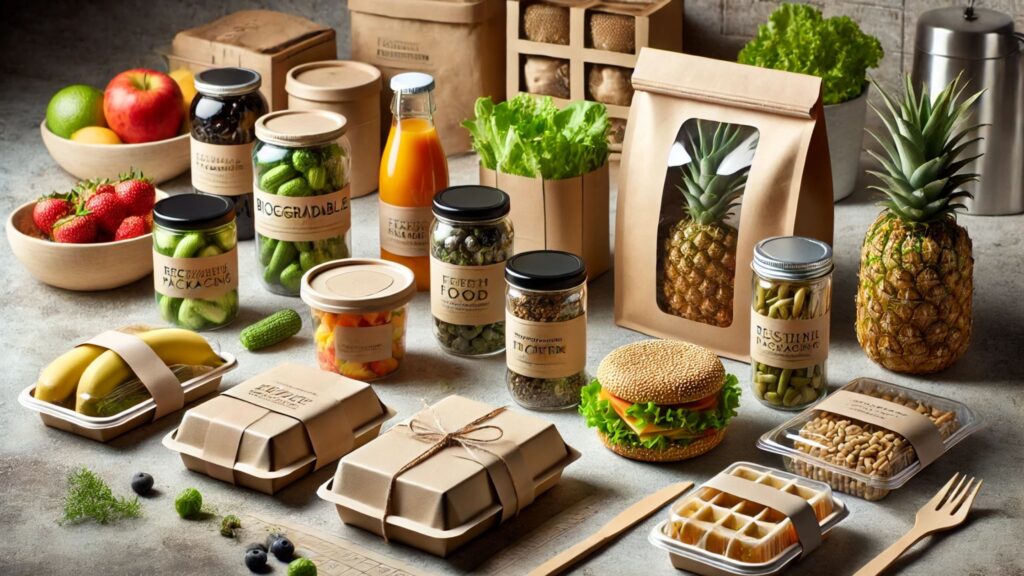
- Biodegradable and Compostable Materials: Companies are scaling up bioplastics derived from corn starch, sugarcane bagasse, or even mushroom mycelium. These materials break down in industrial composters within weeks, cutting landfill time dramatically.
- Active and Intelligent Packaging: Think of films infused with natural antimicrobial agents or oxygen‑scavenging layers that extend shelf life without extra preservatives. Some packages even change color to signal spoilage.
- Digital Integration: QR codes, NFC chips, and augmented‑reality graphics are turning ordinary cartons into information hubs, letting shoppers trace provenance, view recipes, or verify authenticity.
Sustainable Materials Take Center Stage
Environmental pressure has pushed manufacturers to seek alternatives to conventional petroleum‑based plastics. One notable development is polyhydroxyalkanoates (PHAs), a family of polymers produced by bacteria that can be composted alongside food waste. Brands like Nestlé have begun trialing PHA‑based wrappers for snack portions, citing a 30 % reduction in carbon footprint compared to traditional plastic.
Seaweed‑derived films are another surprising contender. Their natural polysaccharides form thin, transparent layers that are both edible and biodegradable. While still pricier than foil, they excel in high‑moisture applications such as fresh-cut fruit trays, where they also act as a natural moisture barrier.
Active Packaging Extends Freshness Without Additives
Active packaging isn’t just a buzzword; it’s a practical answer to food waste. Antimicrobial coatings made from chitosan—a derivative of crustacean shells—slow bacterial growth on meat and cheese. Meanwhile, oxygen‑absorbing sachets, now embedded directly into flexible films, keep dried goods crisp without the need for extra vacuum sealing.
These technologies often rely on nanostructured barriers. A thin layer of silica nanoparticles, for instance, can block oxygen and UV light while remaining flexible enough for standard packaging lines. The result is a lighter package that still meets stringent safety standards.
Smart Packaging Connects Brands and Buyers
Imagine scanning a label with your phone and instantly seeing a farm‑to‑fork timeline, cooking tips, and even a video of the farmer who grew the tomatoes. That’s the promise of smart packaging. NFC (near‑field communication) tags are being embedded in dairy cartons, allowing dairy farms to push real‑time temperature data to retailers, ensuring the product stays within optimal ranges.
Beyond transparency, interactivity can drive loyalty. A recent pilot by a European beverage company used AR‑enabled caps that unlocked limited‑edition digital collectibles. Early metrics suggested a modest lift in repeat purchases, hinting at a future where packaging becomes a marketing platform as much as a container.
Reusable and Returnable Designs Gain Traction
Closed‑loop systems are making a comeback, especially in the beverage and bulk‑goods sectors. Glass bottles and aluminum cans, long‑standing recyclable options, are now being paired with deposit schemes that encourage consumers to return them for cleaning and refilling. Some startups have taken this a step further, offering modular containers made from recycled PET that snap together for easy transport and reuse.
While the logistics can be complex, the environmental payoff is clear: each reuse cycle can shave up to 80 % off the material’s life‑cycle emissions compared with single‑use equivalents.
Design and Printing: Less Waste, More Appeal
Advances in digital printing allow manufacturers to produce short runs with vivid, custom graphics without the excess waste of traditional flexographic plates. This flexibility enables seasonal branding or localized messaging without overproducing inventory. Moreover, lightweight structural designs—think ultra‑thin corrugated cardboard—maintain strength while using less fiber, reducing both cost and environmental impact.
Challenges Ahead
Despite the excitement, several hurdles remain. Biodegradable polymers often require specific composting conditions, limiting their effectiveness in regions without industrial compost facilities. Regulatory approval for new antimicrobial agents can be a lengthy process, and consumer acceptance of “edible” packaging still varies across markets.
Nevertheless, industry analysts agree that the momentum is unlikely to stall. As supply‑chain transparency becomes a purchasing criterion and waste‑reduction mandates tighten, the incentive to innovate grows stronger.
Frequently Asked Questions
What makes a packaging material “active”?
Active packaging contains components—such as antimicrobial agents, oxygen scavengers, or moisture regulators—that interact with the food or its environment to extend freshness or improve safety.
Are biodegradable plastics truly compostable at home?
Most commercially available biodegradable plastics need industrial composting facilities to break down efficiently. Home composting may only partially degrade them, so checking certification labels (e.g., ASTM D6400) is essential.
How can I tell if a product uses smart packaging?
Look for QR codes, NFC symbols, or prompts like “Scan for more info.” Brands often highlight these features on the front of the package or in marketing materials.