How Much Does a Car Dashboard Protector Cost? Benefits Explained
If you’ve ever glanced at a cracked or sun‑bleached dashboard, you know the annoyance of a worn‑out interior. A car dashboard protector can shield that surface, but many drivers pause at the price tag. In this guide we’ll break down the typical car dashboard protector price range, explore why the investment often pays for itself, and give you a roadmap to choose the right fit for your vehicle.
Understanding the Car Dashboard Protector Price Spectrum
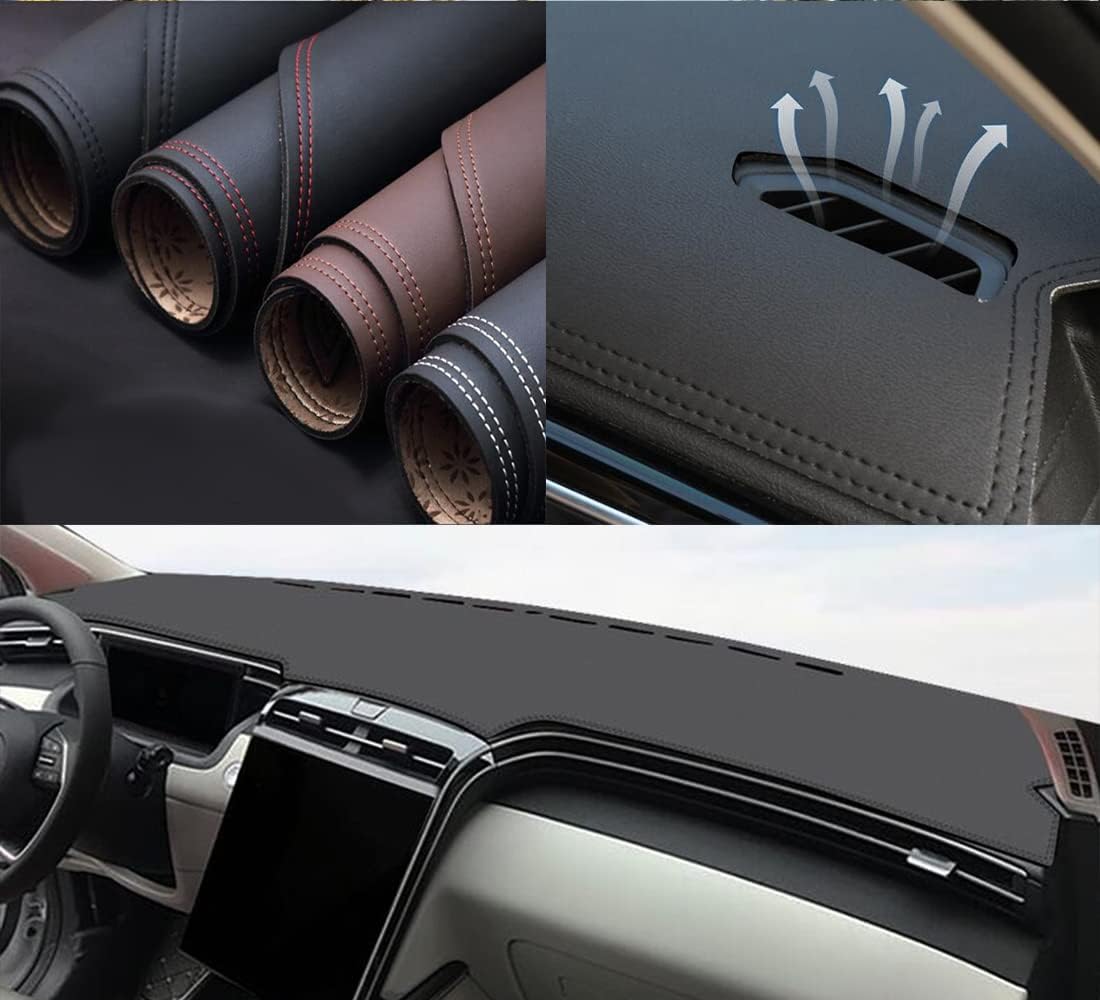
Prices vary widely because protectors come in different materials, thicknesses, and brand reputations. On the low end, a basic polyethylene sheet might run between $15 and $30, suitable for short‑term use or a single‑car household. Mid‑range options—typically made of TPU (thermoplastic polyurethane) or high‑quality vinyl—hover around $40 to $75. These provide better heat resistance, UV blocking, and a tighter fit around contours.
Premium models, especially those engineered for luxury vehicles, can climb to $90–$130. They often feature multi‑layer construction, anti‑scratch coatings, and custom embossing that matches the original dashboard pattern. Some retailers also bundle installation kits or offer lifetime warranties, which can push the total cost higher.
When you compare these figures, remember that the price isn’t the only factor. Durability, ease of cleaning, and how well the protector adheres to your dash all influence long‑term value.
Key Benefits That Make the Cost Worth It
Beyond the obvious aesthetic appeal, dashboard protectors deliver several practical advantages:
- UV Shielding: Sunlight can fade and crack plastic dashboards within a few years. A good protector blocks up to 99% of UV rays, preserving the original color.
- Heat Reduction: By reflecting heat, protectors keep interior temperatures lower, which can improve driver comfort and reduce strain on climate‑control systems.
- Scratch and Stain Defense: Daily wear from keys, sunglasses, or pet claws is less likely to leave permanent marks.
- Resale Boost: A well‑maintained dashboard adds to the overall interior condition, often translating into a higher asking price when you sell.
- Easy Maintenance: Most protectors wipe clean with a damp cloth, sparing you from the need for harsh chemicals or expensive detailing.
These benefits accumulate over time, meaning a $50 protector can save you dozens of dollars in cleaning products, interior repairs, or reduced resale value.
Choosing the Right Protector for Your Vehicle
Not every protector fits every dash. Here’s a quick checklist to narrow down your options:
- Material Compatibility: If your dashboard is leather‑like, look for a softer TPU that won’t feel plasticky. For hard‑plastic trims, a thicker vinyl may work better.
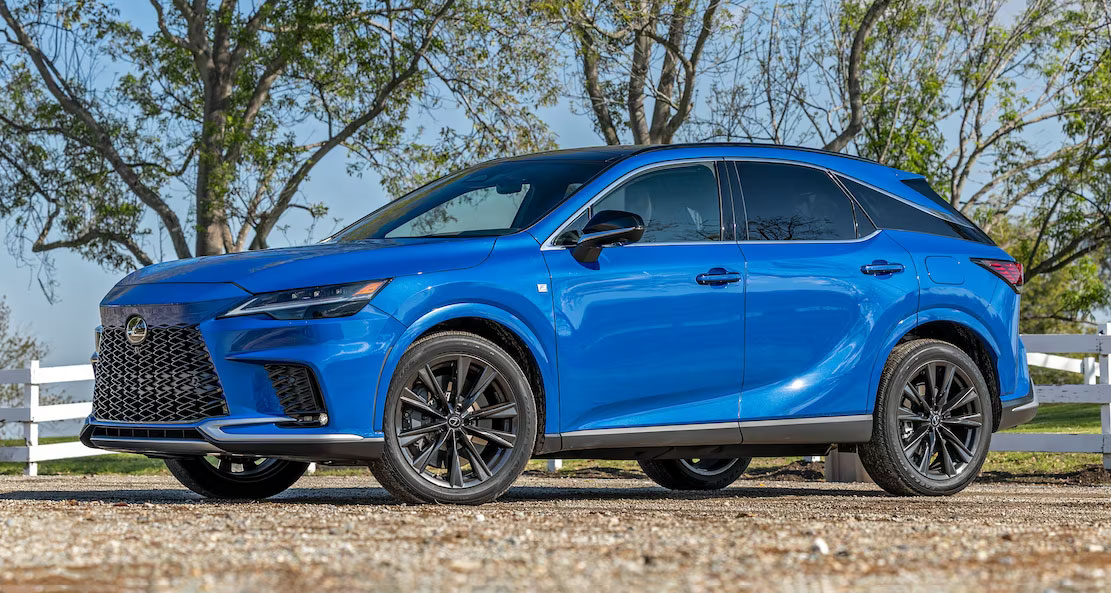
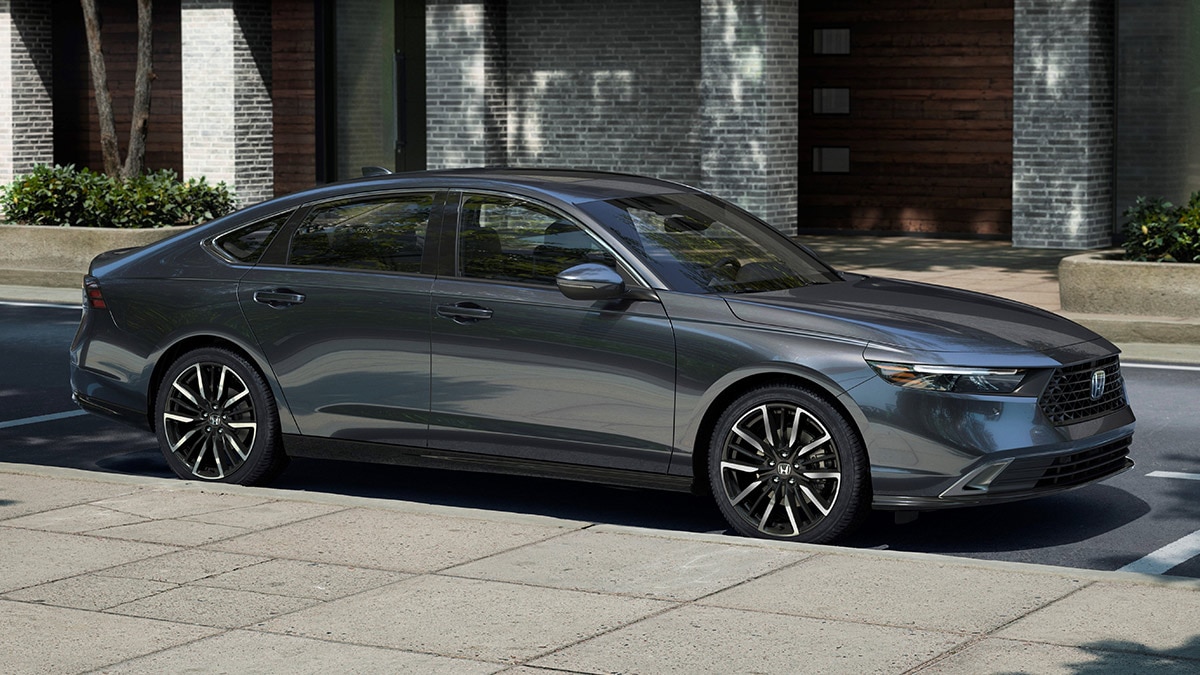
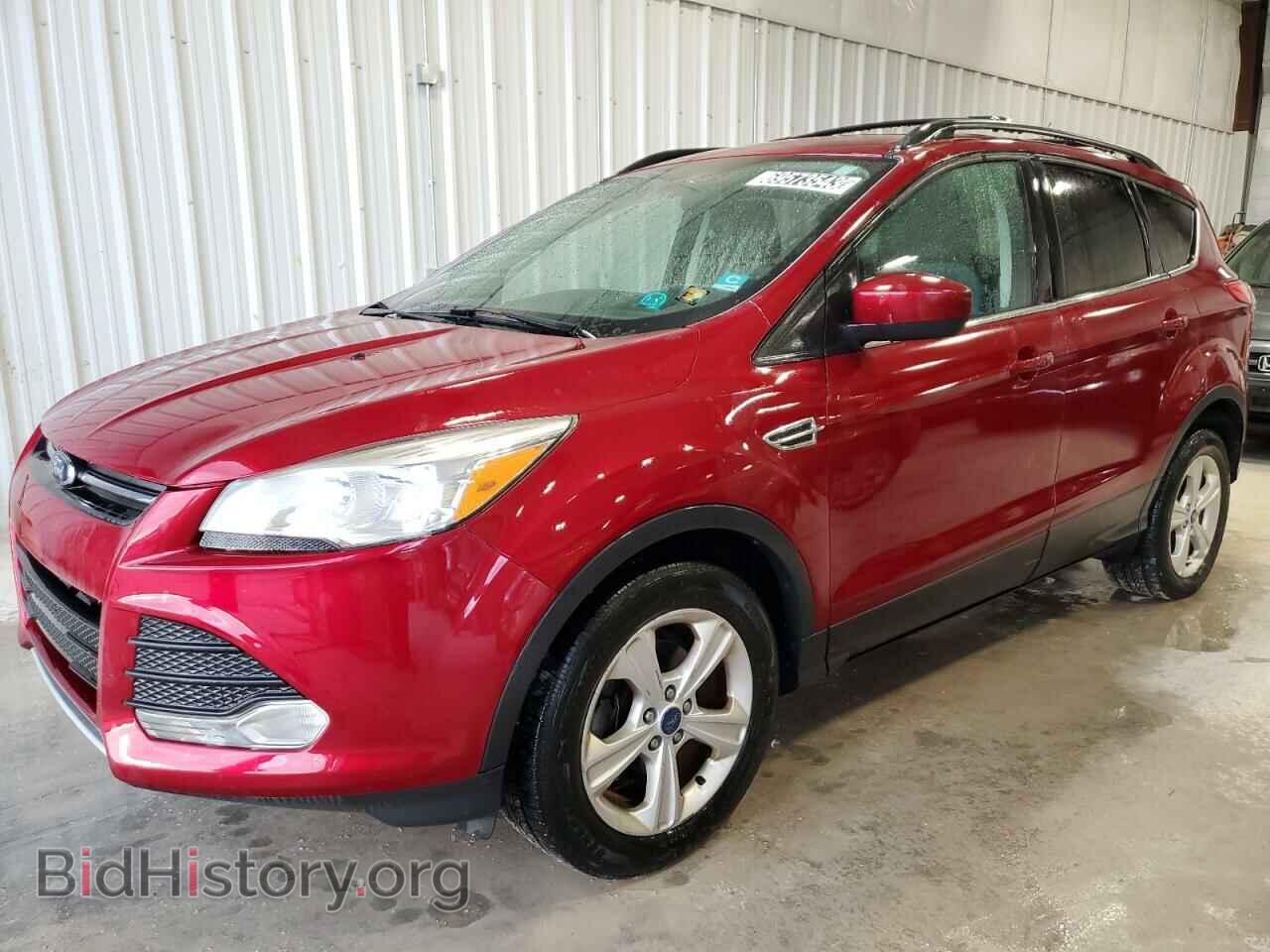
- Fit Precision: Some brands offer custom‑cut kits based on make and model, while universal sheets rely on trimming. Custom fits typically cost more but eliminate gaps.
- Installation Method: Peel‑and‑stick adhesives provide a permanent bond, whereas suction‑cup or magnetic options are removable but may shift.
- Warranty Terms: A longer warranty signals confidence in durability; check if it covers discoloration, peeling, or tearing.
Spend a few minutes reading user reviews—real‑world feedback often reveals quirks like bubbling on heated dashboards or difficulty removing old adhesive.
Installation Tips to Maximize Longevity
Even the best protector can underperform if installed poorly. Follow these steps for a clean, lasting fit:
- Thoroughly clean the dashboard with a mild soap solution and dry it completely. Any residue will cause air bubbles.
- Position the protector without removing the backing to ensure proper alignment. Mark key reference points with a light pencil if needed.
- Peel off the adhesive layer slowly, applying the protector while smoothing it out with a soft cloth or a squeegee.
- Work from the center outward, pressing firmly to eliminate trapped air. For larger sheets, a heat gun on low can help the material conform to curves.
- Allow the adhesive to cure for at least 24 hours before exposing the dash to direct sunlight or heavy use.
Patience during installation pays off—most users report a bubble‑free surface that lasts years.
FAQ
Q: How often should I replace my dashboard protector?
A: Most high‑quality protectors last 3–5 years under normal conditions. If you notice peeling, yellowing, or persistent bubbles, it’s time for a replacement.
Q: Will a protector interfere with dashboard controls or airbags?
A: Reputable protectors are designed to sit over the surface without covering buttons, switches, or airbag sensors. Always verify that openings align before final installation.
Q: Can I use a dashboard protector in a vehicle with a heated dash?
A: Yes, but choose a heat‑resistant material (TPU or specialized vinyl) and follow the manufacturer’s temperature guidelines to avoid warping.