How Insect Feed Technologies Are Shaping Sustainable Solutions
As the world searches for ways to feed a growing population without exhausting natural resources, insect feed technologies have stepped into the spotlight. By turning insects into protein‑rich animal feed, researchers and entrepreneurs are turning waste streams into valuable nutrition. The approach promises to cut greenhouse‑gas emissions, reduce land use, and lessen reliance on traditional soy and fishmeal—all while delivering a product that animals actually enjoy. Below, we explore how these technologies work, why they matter for sustainability, and what hurdles still need clearing.
What Are Insect Feed Technologies?
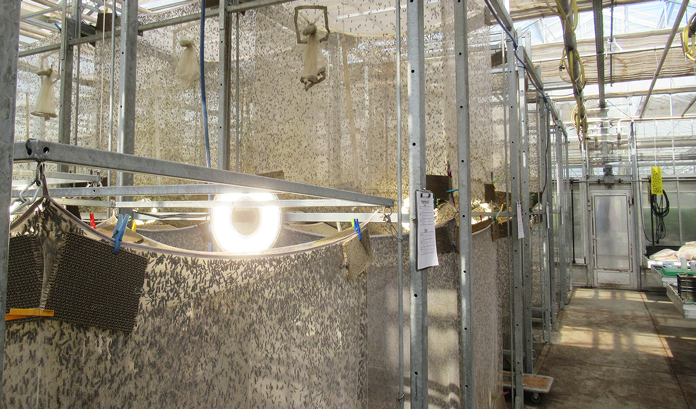
At their core, insect feed technologies encompass the methods used to raise, process, and incorporate insects into livestock diets. The most common species—black soldier fly larvae, mealworms, and crickets—are cultivated in controlled facilities where temperature, humidity, and diet are tightly managed. Once harvested, the insects are dried, ground into a meal, or extracted for oil, creating a versatile ingredient that can replace a portion of conventional protein sources.
Key steps include:
- Substrate preparation: Organic waste (food scraps, agricultural residues, or manure) is pre‑treated to make it digestible for the insects.
- Mass rearing: Automated systems maintain optimal growth conditions, often using vertical farming racks to maximize space.
- Harvest and processing: After reaching target size, larvae are separated, cleaned, and transformed into meal or oil.
- Formulation: The insect ingredient is blended with other feed components to meet the nutritional needs of the target animal.
Why Sustainability Matters in Animal Nutrition
Traditional animal feed relies heavily on soybeans and wild‑caught fishmeal, both of which carry hefty environmental footprints. Soy cultivation drives deforestation in the Amazon and Southeast Asia, while overfishing threatens marine ecosystems. In contrast, insects convert low‑value organic matter into high‑quality protein with a fraction of the water, land, and energy required by crops.
Studies consistently show that producing one kilogram of insect protein can emit 70‑80% less CO₂ than the same amount of soy protein. Moreover, insects require roughly 12 times less feed to gain a kilogram of body weight compared with conventional livestock, meaning the overall feed conversion ratio improves dramatically.
Environmental Benefits at a Glance
- Reduced greenhouse‑gas emissions: Lower CO₂, CH₄, and N₂O outputs per unit of protein.
- Land‑use efficiency: Vertical farms and compact rearing systems free up acres for reforestation or biodiversity.
- Water savings: Insect production uses up to 95% less water than soy or corn.
- Waste valorisation: Food waste that would otherwise end up in landfills becomes a feedstock, curbing methane release from decomposition.
Economic Incentives for Farmers and Producers
Beyond the ecological upside, insect feed offers a compelling business case. Small‑scale farmers can source locally produced insect meal, cutting transport costs and insulating themselves from volatile soy markets. Meanwhile, start‑ups in the insect sector report rapid scaling—some achieving commercial volumes within five years of launch—thanks to relatively low capital requirements and the ability to repurpose existing waste streams.
Governments are also taking note. Subsidies for circular‑economy projects, carbon‑credit schemes, and streamlined regulations for novel feed ingredients are emerging in the EU, the United States, and parts of Asia. Such policy support can accelerate adoption and create a more predictable market for insect producers.
Challenges on the Path to Mainstream Adoption
While the promise is clear, several practical obstacles remain. First, consumer perception can be a hurdle; even though the insects never appear on the dinner plate, some stakeholders worry about “insect‑based” labels. Transparent communication and third‑party certifications are helping to build trust.
Second, regulatory frameworks are still catching up. In many jurisdictions, insect protein is classified as a novel feed ingredient, requiring safety assessments that can be time‑consuming. Harmonising standards across borders would simplify trade and lower entry barriers.
Finally, scaling up production without compromising quality demands robust automation. Researchers are experimenting with AI‑driven monitoring systems that adjust temperature and humidity in real time, but widespread deployment will require capital investment and skilled operators.
Future Outlook: From Niche to Norm
Looking ahead, several trends suggest insect feed could become a staple rather than a curiosity. Genetic selection programs aim to develop strains that grow faster and convert a broader range of substrates. Simultaneously, advances in downstream processing—such as protein‑extraction technologies that retain functional properties—will open doors to high‑value applications like pet food and aquaculture feeds.
Another exciting development is the integration of insect farms into existing agricultural ecosystems. For example, dairy farms can channel manure to black‑soldier‑fly larvae, which in turn produce meal for the cows, creating a closed‑loop system that cuts waste and feed costs simultaneously.
As these innovations converge, the economic and environmental calculus increasingly favors insect‑derived feed. While it may not replace soy or fishmeal overnight, the steady erosion of their market share points to a more diversified and resilient feed landscape.
Frequently Asked Questions
Can insects be fed to all types of livestock?
Insect meal is already approved for poultry, swine, and aquaculture in many regions. Ongoing research is expanding approvals to ruminants like cattle and sheep, but nutritional formulations must be adjusted to meet species‑specific protein and amino‑acid requirements.
Is insect feed safe for the animals that consume it?
Yes—when produced under regulated conditions, insect meal meets stringent safety standards. Pathogen levels are typically lower than in traditional feed, and the high chitin content can even support gut health in certain species.
How does the cost of insect protein compare with soy or fishmeal?
Currently, insect meal can be slightly more expensive per kilogram, largely due to scale. However, when accounting for lower transportation, reduced waste disposal fees, and potential carbon credits, the overall cost of production often becomes competitive, especially in regions with abundant organic waste.
What happens to the leftover substrate after insects are harvested?
The residual frass (insect excrement mixed with uneaten substrate) is rich in nutrients and can be used as a high‑quality organic fertilizer, completing the circular‑economy loop.