How Industrial Fermentation Technology Transforms Modern Production
Industrial fermentation technology has quietly become the backbone of countless industries—from pharmaceuticals to biofuels—by turning simple microorganisms into high‑value products. It’s more than just brewing beer or producing antibiotics; it’s a sophisticated, scalable process that harnesses biology to generate chemicals, materials, and energy with precision and efficiency. In this article, we’ll unpack how the technology works, the key components that make it scalable, and the future trends that could reshape global manufacturing.
What Is Industrial Fermentation Technology?
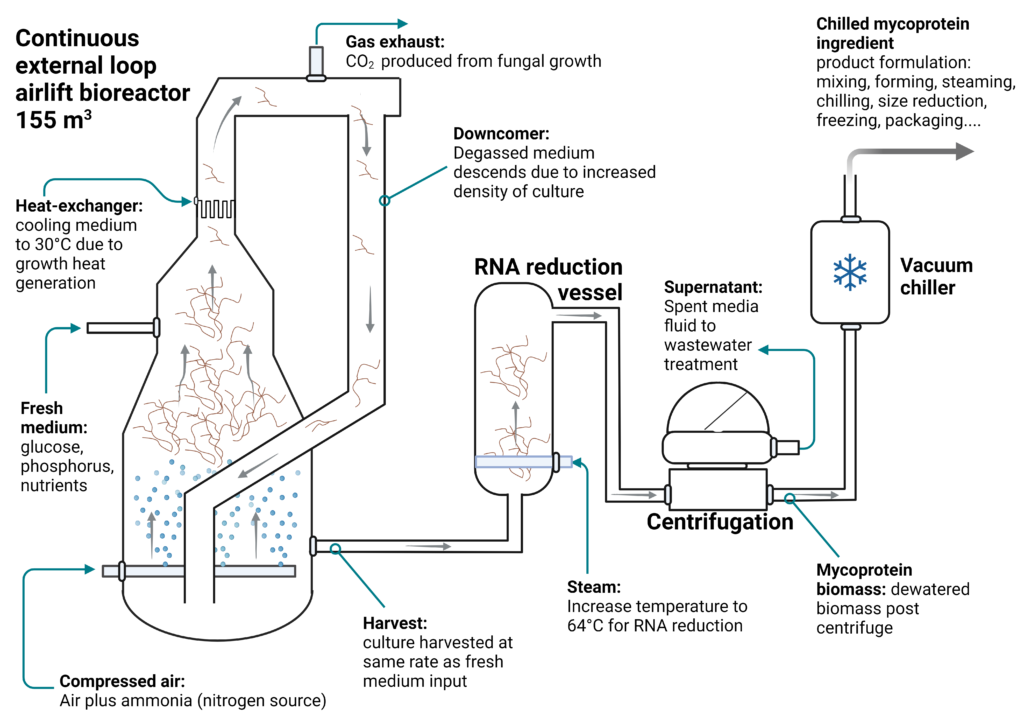
At its core, industrial fermentation is a bioprocess that cultivates microorganisms—such as bacteria, yeast, or fungi—under controlled conditions to produce a desired product. The technology differs from laboratory fermentation by operating at volumes ranging from a few liters to thousands of cubic meters, requiring rigorous control of temperature, pH, aeration, and nutrient supply. The end result can be a bio‑derived chemical, a protein therapeutic, or even a renewable fuel.
The Building Blocks of a Commercial Fermenter
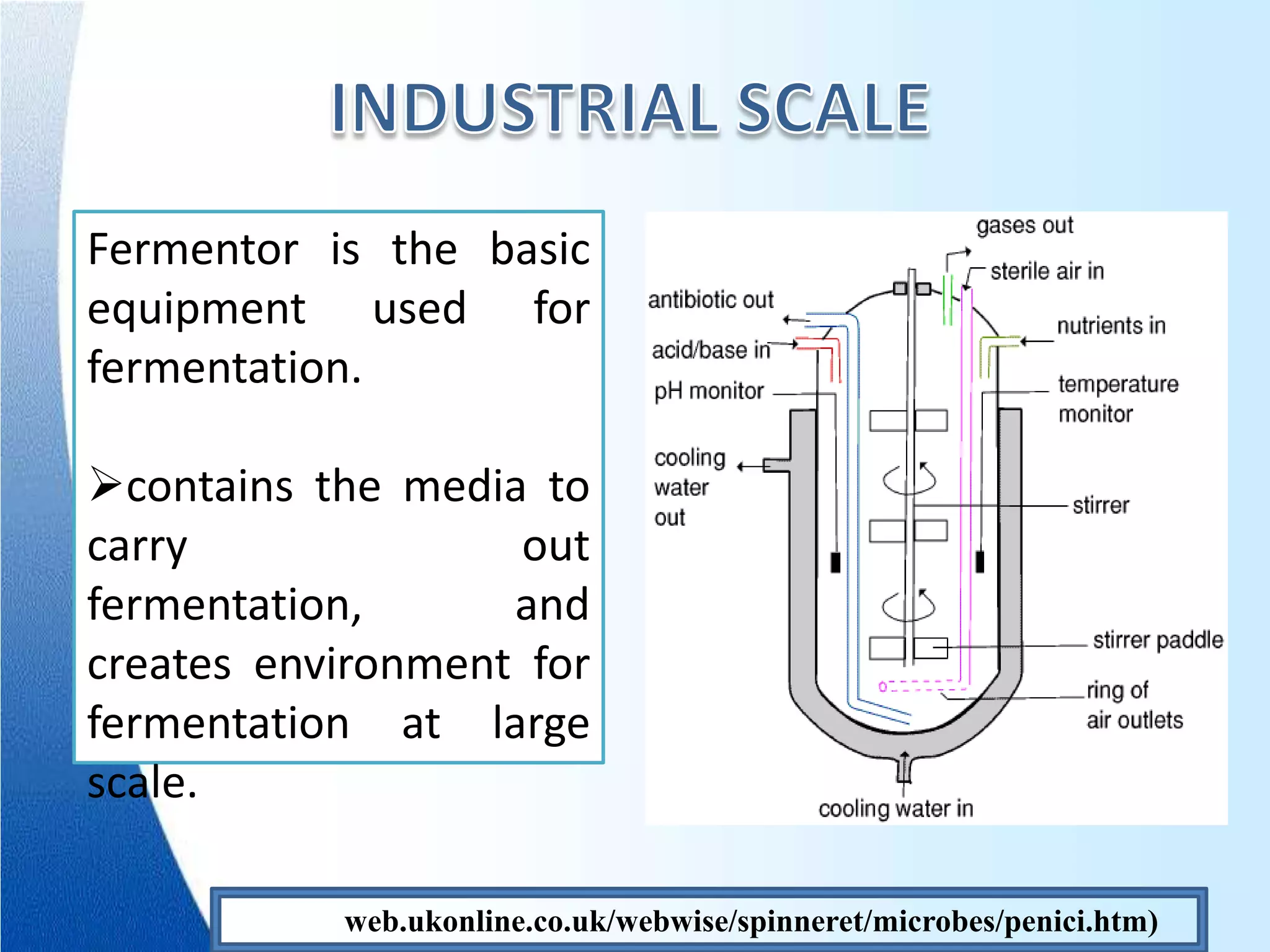
- Bioreactor Design: Stainless‑steel vessels equipped with impellers, spargers, and sensors maintain homogenous mixing and oxygen transfer.
- Process Control: Automated systems continuously monitor pH, dissolved oxygen, and feed rates, adjusting parameters in real time.
- Downstream Processing: Techniques such as filtration, centrifugation, and chromatography separate the product from the culture broth.
Each component is engineered for reliability, sterility, and scalability—ensuring that the process remains reproducible across batches and facilities.
Microorganisms: The Engine of Production
Choosing the right organism is critical. Engineers engineer strains using genetic modification or adaptive evolution to maximize yield and reduce by‑products. Common workhorses include:
- Escherichia coli—fast growth, easy genetic manipulation; ideal for protein therapeutics and metabolic engineering.
- Saccharomyces cerevisiae—robust yeast capable of ethanol, bio‑plastic precursors, and flavor compounds.
- Aspergillus niger—fungi that excel at producing organic acids like citric acid.
These organisms are cultured in media optimized for carbon, nitrogen, vitamins, and trace minerals. The media composition directly impacts product titer, making formulation a key area of research.
Scaling Up: From Petri Dish to Production Line
Scaling a process requires addressing challenges that don’t appear at small scale:
- Mass Transfer: Oxygen supply becomes limiting in larger volumes; computational fluid dynamics help design impeller geometry and sparger placement.
- Heat Management: Metabolic heat can raise temperatures; jacketed vessels or internal cooling coils prevent overheating.
- Contamination Control: Larger cultures are more susceptible to bacterial or fungal spoilage; rigorous sterilization and aseptic techniques mitigate risk.
The result is a robust process that delivers consistent product quality while keeping operating costs manageable.
Applications Across Industries
Industrial fermentation technology powers a surprisingly diverse array of products:
- Pharmaceuticals: Insulin, monoclonal antibodies, and vaccines are produced using engineered yeast and mammalian cells.
- Agriculture: Enzymes that break down plant material enable the production of bio‑fertilizers and feed additives.
- Food & Beverage: Cheese cultures, fermented soy products, and sourdough starters rely on precise microbial control.
- Energy: Bioethanol, biodiesel, and even biogas are generated from fermenting sugars, oils, or municipal waste.
- Materials: Polylactic acid (PLA) and other biodegradable polymers derive from fermented lactic acid.
In each case, the fermentation step translates biological activity into a tangible, marketable commodity.
Key Metrics That Define Success
When evaluating a fermentation process, experts focus on four main metrics:
- Titer (g/L): The concentration of product in the broth; higher titer reduces downstream costs.
- Yield (g product per g substrate): Efficiency of converting feedstock into product.
- Productivity (g/L/h): Rate at which product accumulates; critical for large‑scale economics.
- Robustness: Ability to maintain performance across different batches and operators.
Optimizing these metrics often involves iterative cycles of strain engineering, media refinement, and process parameter tuning.
Emerging Trends Shaping the Future
Several developments promise to elevate industrial fermentation technology further:
- CRISPR‑Based Strain Engineering: Precise gene edits accelerate the development of high‑yield, low‑by‑product strains.
- Continuous Fermentation: Moving from batch to continuous mode reduces downtime and improves overall productivity.
- Microbial Consortia: Using engineered microbial communities can enable multi‑step conversions within a single reactor.
- Digital Twin Modeling: Simulating entire processes virtually allows real‑time optimization without costly pilot runs.
These advances aim to make fermentation more flexible, efficient, and sustainable.
Challenges and Considerations
Despite its promise, industrial fermentation faces hurdles:
- Feedstock Availability: Raw material costs and supply chain disruptions can impact scalability.
- Regulatory Compliance: Products, especially pharmaceuticals, must meet stringent quality and safety standards.
- Environmental Footprint: While bio‑based, processes still generate waste heat, effluent, and CO₂ that require management.
Addressing these challenges requires interdisciplinary collaboration among microbiologists, chemical engineers, and data scientists.
Why Industrial Fermentation Matters Today
The shift toward sustainable manufacturing places industrial fermentation at the center of innovation. By leveraging renewable feedstocks and biological catalysts, it reduces reliance on fossil fuels, cuts greenhouse gas emissions, and opens new avenues for circular economies. Whether it's producing a lifesaving drug or a drop of green fuel, the technology demonstrates how nature’s machinery can be harnessed for the betterment of society.
Frequently Asked Questions
- What distinguishes industrial fermentation from traditional brewing? Industrial fermentation operates at a vastly larger scale, uses engineered microbes for specific chemical outputs, and requires precise environmental control, whereas brewing focuses on flavor and alcohol content.
- Can industrial fermentation produce non‑biological products? The process primarily yields biochemical products, but many of these (e.g., certain plastics or solvents) can be used in non‑biological applications.
- Is the technology environmentally friendly? When powered by renewable feedstocks and optimized for efficiency, industrial fermentation can significantly lower carbon footprints compared to conventional chemical synthesis.