How End‑to‑End Encryption Works: A Simple Guide Explained
When you send a text, share a photo, or store a document in the cloud, you’re trusting that the data stays private. End‑to‑end encryption (E2EE) is the technology that makes that trust possible by ensuring only the intended participants can read the information, even the service provider can’t.
What “End‑to‑End” Really Means
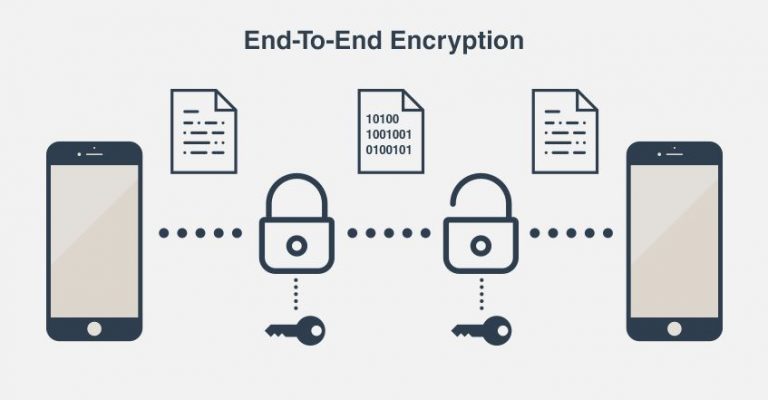
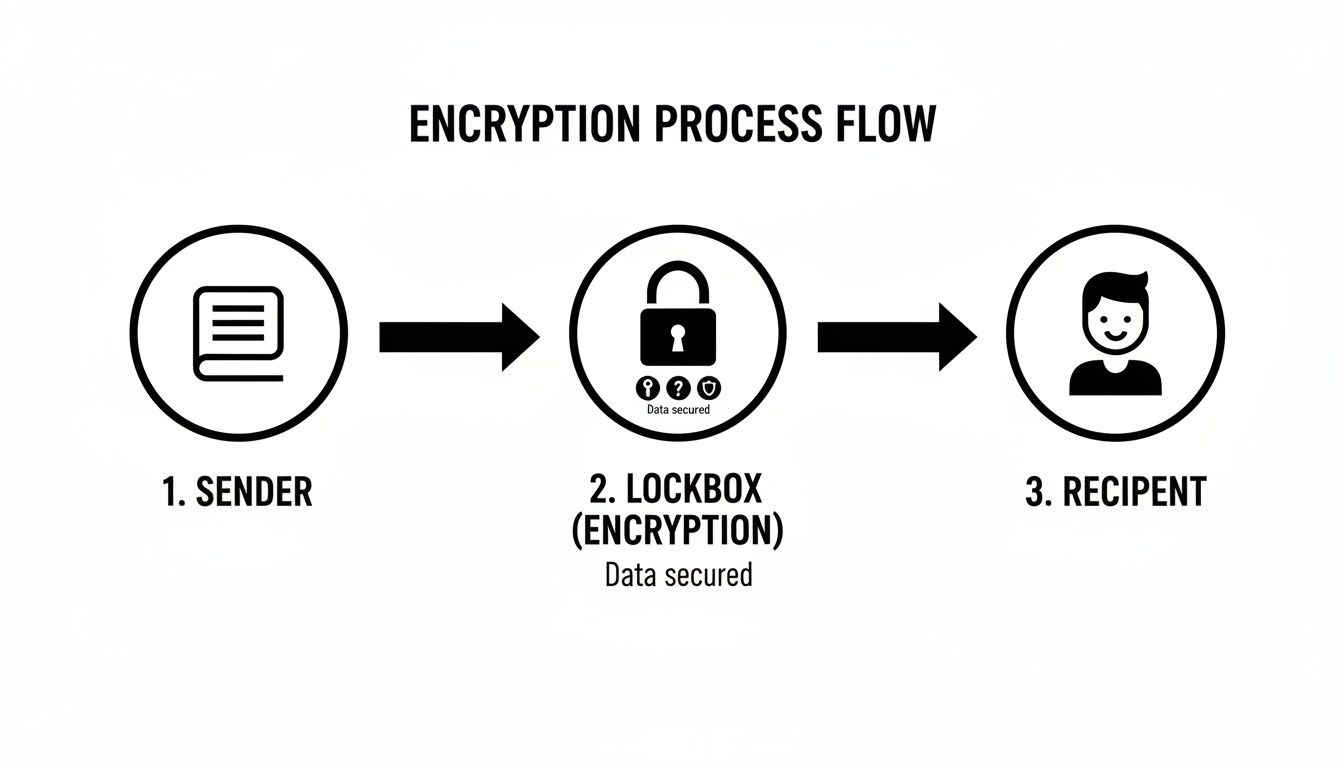
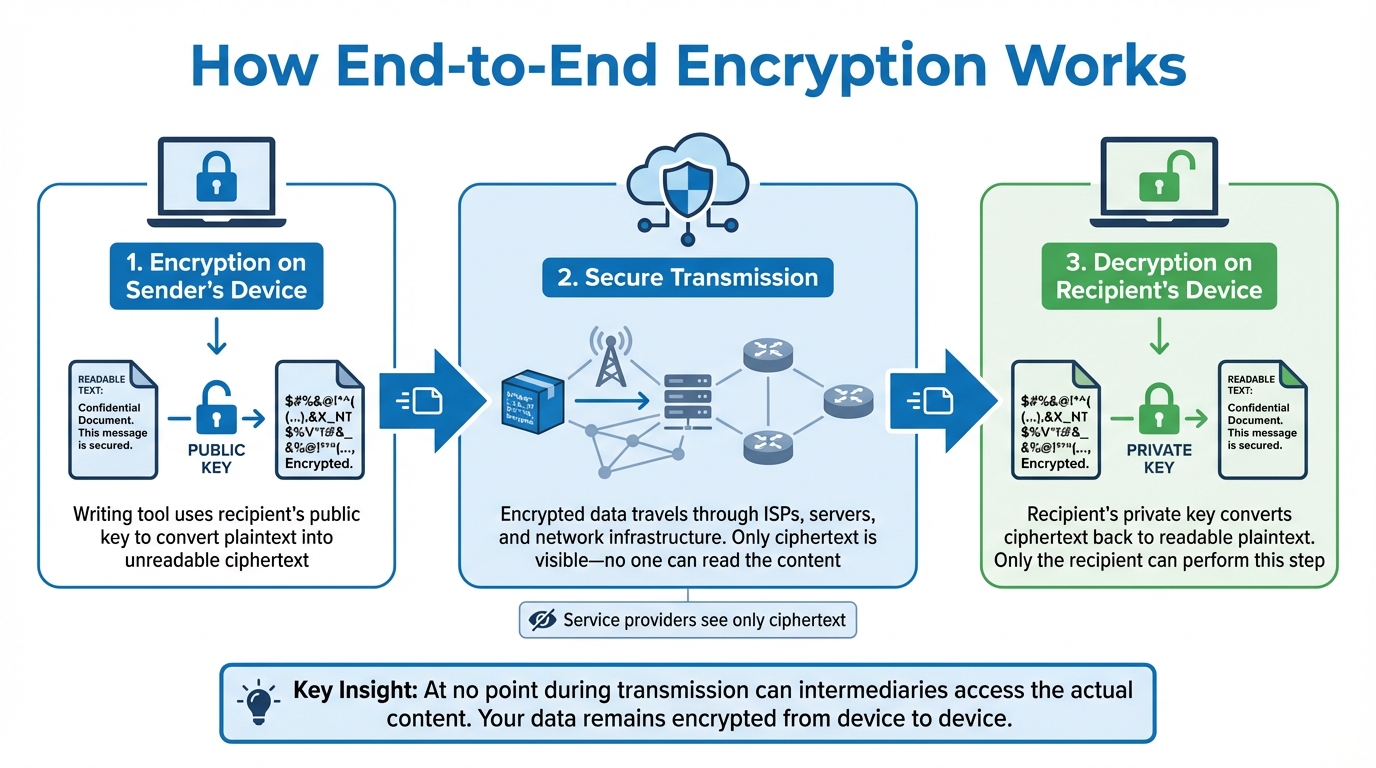
The term “end‑to‑end” refers to the journey of data from one endpoint (your device) directly to another (your friend’s phone, a server you control, etc.). In an E2EE system, the data is encrypted on the sender’s device and stays encrypted until the recipient’s device decrypts it. No intermediary—whether it’s an ISP, a cloud storage company, or a messaging platform—gets a chance to see the clear‑text content.
How the Encryption Process Happens
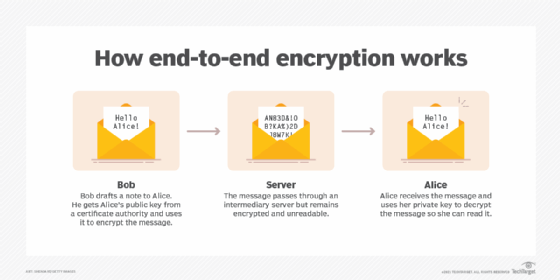
At its core, E2EE relies on a pair of cryptographic keys: a public key and a private key. The public key can be shared openly, while the private key remains secret on the device that generated it. When you send a message, your app encrypts it with the recipient’s public key; the only way to turn that ciphertext back into readable text is with the matching private key, which resides only on the recipient’s device.
This asymmetric approach eliminates the need to exchange secret keys over potentially insecure channels. Some services add a layer of symmetric encryption for speed—data is first encrypted with a temporary “session key,” then that session key itself is encrypted with the recipient’s public key.
Why It Matters: Real‑World Benefits
- Privacy protection: Even if a server is hacked, the attacker sees only gibberish.
- Compliance support: Regulations like GDPR and HIPAA encourage—or sometimes require—strong encryption for personal data.
- Trust building: Users are more likely to adopt services that guarantee their conversations stay private.
Consider a popular messaging app that advertises E2EE. When you chat, the company’s servers relay the encrypted packets but never store the decryption keys. If a government subpoena arrives, the provider can hand over the data, but it remains unintelligible without the private keys that never left the users’ phones.
Common Misconceptions
Many people think that “encryption” and “security” are interchangeable. Encryption safeguards data in transit and at rest, but it doesn’t protect against every threat. For example, if a malicious app on your phone captures keystrokes before they’re encrypted, E2EE can’t help. Similarly, strong encryption won’t stop a user from voluntarily sharing the decrypted content.
Another myth is that “end‑to‑end” means the service provider has no role at all. In practice, providers often handle key distribution, user authentication, and metadata (who talked to whom, when). While metadata isn’t encrypted by default, some platforms also offer metadata‑obfuscation features.
Implementing E2EE in Everyday Tools
If you’re a developer, integrating E2EE usually starts with a well‑vetted library such as the Signal Protocol, NaCl, or OpenPGP. These libraries handle the heavy lifting of key generation, key exchange, and message authentication. The typical steps look like this:
- Generate a persistent key pair for each user.
- Publish the public key to a directory that anyone can read.
- When sending a message, fetch the recipient’s public key and encrypt the payload.
- Sign the encrypted payload so the recipient can verify it hasn’t been tampered with.
- On receipt, use the private key to decrypt and then verify the signature.
For non‑technical users, the choice is simpler: pick services that clearly state they use end‑to‑end encryption. Look for independent security audits, open‑source client code, and transparent key management policies.
Limitations and Future Directions
While E2EE is powerful, it isn’t a silver bullet. Forward secrecy—a property that generates a fresh session key for each conversation—helps protect past messages if a private key is later compromised. Not every E2EE implementation includes forward secrecy, so checking the security specs can be worthwhile.
Researchers are also exploring post‑quantum cryptography to future‑proof E2EE against quantum computers. Although practical quantum‑resistant algorithms are still emerging, some forward‑looking projects already experiment with hybrid schemes that combine classic elliptic‑curve cryptography with lattice‑based methods.
Choosing the Right Encrypted Service
When evaluating a product, ask yourself a few key questions:
- Does the service encrypt data on the device before it ever leaves your control?
- Are the encryption algorithms open to public scrutiny?
- Can you verify the identity of the other party (e.g., through safety numbers or key fingerprints)?
- Is the provider transparent about what metadata is retained?
Answers that lean toward “yes” usually indicate a healthier privacy posture.
Frequently Asked Questions
Is end‑to‑end encryption the same as HTTPS?
No. HTTPS encrypts data between your browser and the web server, but the server can still read the data. E2EE keeps the data encrypted all the way to the final recipient’s device.
Can law enforcement break end‑to‑end encryption?
In most cases, law enforcement would need the private key, which is stored only on the user’s device. Without that key—or a vulnerability in the encryption algorithm—they cannot decrypt the content.
Do all messaging apps use end‑to‑end encryption?
Not all. Some apps encrypt messages in transit but retain the ability to read them on their servers. Always check the app’s privacy policy or security documentation.
What happens if I lose my device?
Losing a device means losing the private key stored on it. Many services offer backup options—such as encrypted key backups or recovery phrases—so you can restore access on a new device.