How Climate Finance Works: A Clear, Simple Guide for Everyone
When headlines talk about “climate finance,” they’re referring to the money flow that helps societies curb greenhouse‑gas emissions and adapt to a warming world. Understanding how this financial ecosystem operates can feel daunting, but breaking it down into its core pieces makes the picture a lot clearer. Below, we walk through the basics, the main players, and the hurdles that keep this field from moving as fast as the climate crisis demands.
What Is Climate Finance?
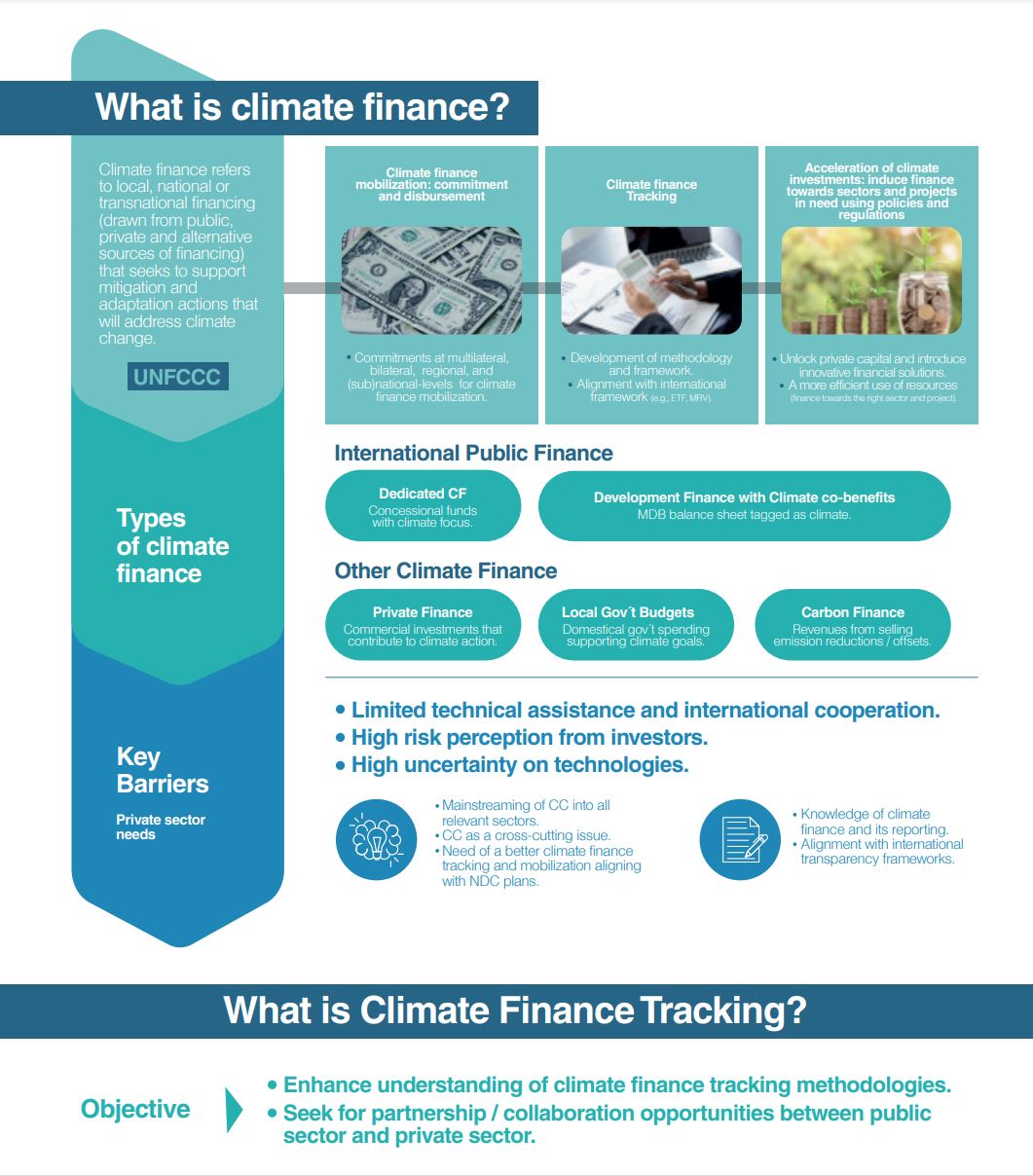
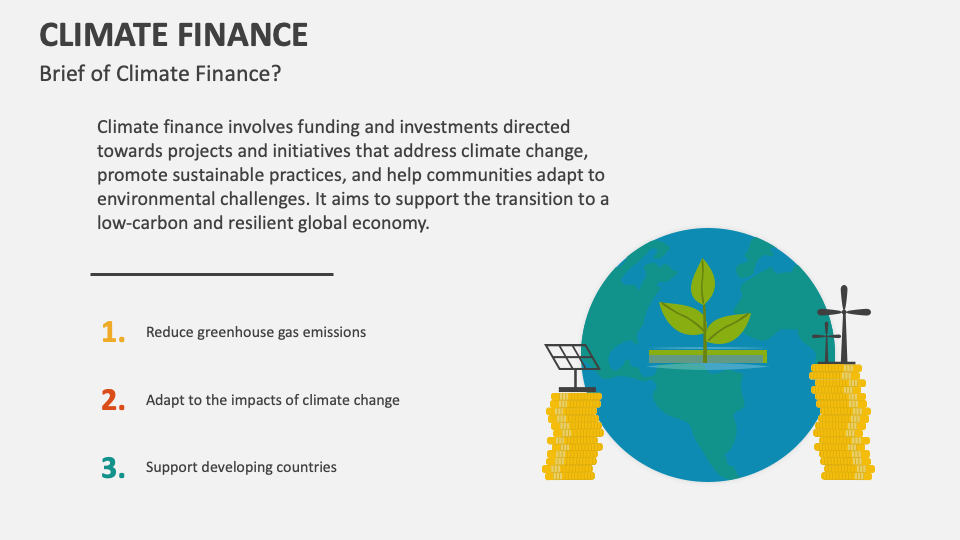
At its heart, climate finance is any funding—public, private, or blended—that supports mitigation (reducing emissions) and adaptation (building resilience) projects. Think of it as the budget line that finances solar farms, reforestation programs, flood‑defence infrastructure, and even the research that improves climate‑friendly technologies. The term also encompasses the policies that channel money, such as carbon pricing schemes, green bonds, and climate‑linked loans.
Who Supplies the Money?
Funding comes from a mix of sources, each with its own motivations:
- Governments: National budgets, especially in developed countries, allocate billions through multilateral institutions like the Green Climate Fund.
- Development banks: Entities such as the World Bank or the Asian Development Bank offer low‑interest loans tailored to climate‑focused projects.
- Private investors: Asset managers and pension funds increasingly chase “green” returns, attracted by both risk mitigation and emerging market opportunities.
- Philanthropy and NGOs: Foundations often provide seed capital for innovative pilots that might be too risky for conventional lenders.
Blended finance—combining public risk‑mitigation tools with private capital—has become a go‑to strategy for scaling up projects that are socially valuable but financially borderline.
How Are Projects Chosen?
Before a dollar is released, a project undergoes a rigorous assessment. First, it must align with national or international climate goals, such as the Paris Agreement’s temperature targets. Next, analysts evaluate the additionality of the investment—does the money enable emissions reductions that wouldn’t happen otherwise? Finally, they look at financial viability: cash‑flow projections, repayment terms, and the investor’s risk appetite.
Tools like the Climate Bonds Standard or the UN‑FCCC’s CDM (Clean Development Mechanism) provide frameworks to certify that a project truly contributes to climate objectives. Certification can unlock additional sources of capital, because many investors now require third‑party verification before committing funds.
Common Challenges in Climate Finance
Even with a growing appetite for green money, several obstacles linger:
- Data gaps: Reliable, comparable metrics on emissions reductions are still evolving, making it hard for investors to gauge impact.
- Policy uncertainty: Shifts in government priorities—or the lack of clear long‑term climate policies—can deter long‑term investments.
- Risk perception: Projects in developing regions may be seen as risky, despite their high potential for climate benefit.
Addressing these issues often means stronger collaboration between governments, financiers, and on‑the‑ground implementers. For example, sovereign guarantees can reduce perceived risk, while standardized reporting frameworks improve data transparency.
Emerging Trends Shaping the Future
Several developments promise to accelerate the flow of climate finance in the coming years. Green bonds have exploded in popularity, reaching a market size of over $1 trillion globally—a clear sign that investors are hungry for climate‑aligned assets. Meanwhile, climate‑linked insurance products are helping vulnerable communities manage extreme‑weather risk, unlocking further private capital for resilient infrastructure.
Digital tools also play a role. Blockchain‑based platforms are trialed for tracking carbon credits, ensuring that each tonne of CO₂ offset is verifiable and not double‑counted. Such innovations aim to reduce transaction costs and improve trust, two factors that have historically slowed financing.
Why It Matters for Everyone
Even if you’re not a banker or a policy‑maker, climate finance touches everyday life. The transition to renewable energy lowers electricity bills over time, while resilient infrastructure reduces the economic shock of storms and floods. Moreover, the jobs created by clean‑tech projects can boost local economies, especially in regions that have historically relied on fossil‑fuel industries.
In short, the flow of money toward climate solutions is not just an abstract economic concept—it’s a catalyst for tangible, positive change that can improve health, security, and prosperity for communities worldwide.
Frequently Asked Questions
What distinguishes a green bond from a regular bond?
A green bond is earmarked exclusively for projects with environmental benefits, such as renewable energy or energy efficiency. Issuers typically provide a report showing how the proceeds are used, offering investors transparency that standard bonds lack.
Can individuals contribute to climate finance?
Yes. Many retail investors now have access to climate‑focused mutual funds or exchange‑traded funds (ETFs). Additionally, some platforms let individuals purchase carbon offsets directly, effectively funding mitigation projects.
How does climate finance differ from general environmental funding?
While both aim to protect the environment, climate finance specifically targets the mitigation of climate change and adaptation to its impacts. General environmental funding might also support biodiversity or pollution control without a direct link to carbon emissions.