How Boiling Pineapple Skins Boosts Health and Flavor
Why the Peel Often Gets Tossed
Most people peel a pineapple and discard the golden‑brown husk, assuming it’s just tough waste. In reality, the skin carries a surprising amount of fiber, enzymes, and antioxidants that survive the heat of a simmer. By giving the peel a second life, you not only reduce kitchen waste but also tap into a natural source of nutrients that can support digestion and immunity.
Nutrients Hidden in Pineapple Skin
The outer layer of a pineapple is rich in bromelain, a protein‑breaking enzyme celebrated for its anti‑inflammatory properties. It also contains vitamin C, manganese, and a suite of polyphenols that act as free‑radical scavengers. While the flesh supplies most of the sugar and juice, the skin concentrates the fibrous matrix, which can aid regularity and promote a feeling of fullness.
How to Boil Pineapple Skins Safely
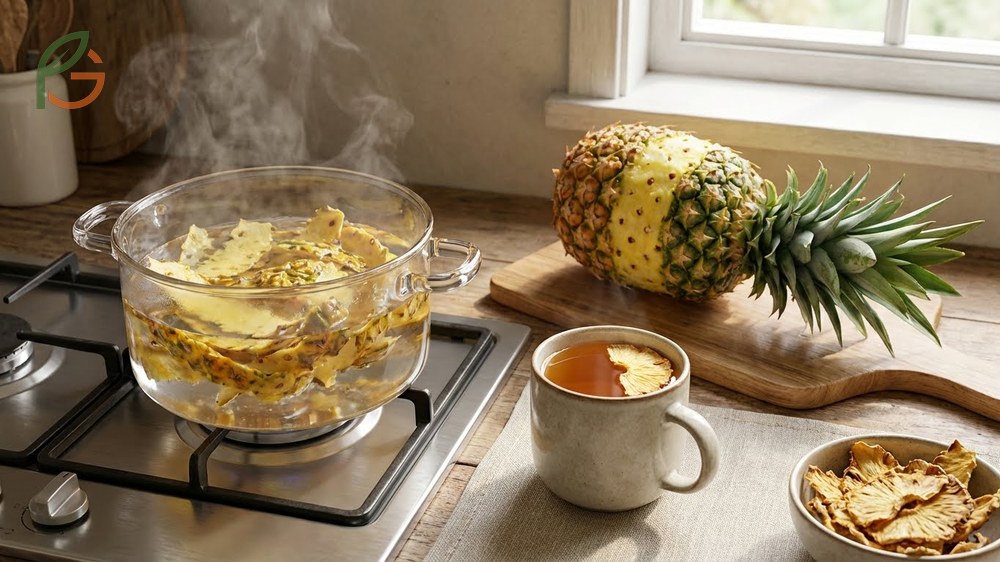
Start with a clean, organic fruit to avoid pesticide residues. Trim off the crown and base, then slice the skin into manageable strips. Rinse the strips under cold water, pat them dry, and place them in a pot with three parts water to one part skin.
Bring the mixture to a gentle boil, then reduce to a simmer for 20‑30 minutes. A light caramel scent will develop as the heat releases the bromelain and mellows the acidity. Strain the liquid, discard the softened skin, and let the broth cool before refrigerating or serving.
Health Benefits You Can Sip
Digestive aid – Bromelain helps break down proteins, making meals easier on the stomach. Regularly drinking a small cup of the boiled skin tea may lessen bloating after heavy meals.
Anti‑inflammatory boost – Studies on bromelain suggest it can reduce swelling in joints and support recovery after exercise. While the evidence is not definitive, many athletes incorporate pineapple‑skin broth into their post‑workout routine.
Immune support – Vitamin C and manganese work together to strengthen the body’s defense mechanisms. A warm mug in the morning can give a gentle, sustained lift without the sugar spike of a fruit juice.
Culinary Uses Beyond Tea
The broth’s subtle sweetness makes it an excellent base for soups, especially those featuring Caribbean or Asian flavors. Add a splash to a coconut‑milk curry, or use it to deglaze a pan when sautéing shrimp.
For a tropical twist on classic sauces, reduce the boiled skin liquid with a touch of honey and lime juice. The result is a glaze that pairs beautifully with grilled pork or tofu.
Tips for the Best Pineapple‑Skin Brew
- Use ripe but firm fruit; over‑ripe skins can turn mushy and release excessive bitterness.
- Add a cinnamon stick or a few cloves during simmering for a warm spice note.
- Do not over‑boil—beyond 40 minutes the delicate enzymes begin to denature, losing much of their activity.
- Store the cooled broth in airtight jars for up to three days, or freeze portions for longer shelf life.
Frequently Asked Questions
Can I drink the boiled skin liquid cold? Absolutely. After chilling, it makes a refreshing, slightly tart iced beverage—great for hot afternoons.
Is the bromelain still active after boiling? Some activity remains if you keep the simmer short (around 20 minutes) and avoid a rolling boil. Longer cooking deactivates most enzymes, but the antioxidants persist.
Do I need to worry about pesticide residues? If possible, choose organic pineapples or give the skins a thorough scrub with a brush and a vinegar solution before boiling.
Can children enjoy this drink? Yes, in moderate amounts. The mild flavor is generally well‑tolerated, and the vitamin C can be a welcome boost for picky eaters.