How Air Cooling Can Soothe Skin Heat and Boost Skincare
When summer temperatures climb or a workout leaves you flushed, the skin can feel like it’s on fire. That uncomfortable heat isn’t just a nuisance; it can aggravate redness, trigger breakouts, and even weaken the barrier that keeps moisture in. Air cooling for skin heat isn’t a new concept, but many people overlook how simple airflow can become a cornerstone of a thoughtful skincare routine. Below, we explore why the skin overheats, how moving air helps, and practical ways to blend cooling techniques with your favorite products.
Why Skin Gets Overheated
The outermost layer of our body, the epidermis, is designed to regulate temperature through sweat and blood flow. When external heat exceeds what the skin can dissipate, blood vessels dilate, bringing warmth to the surface. This vasodilation can intensify rosacea, cause temporary swelling, and make oil production spike, leading to that greasy‑look many dread after a hot day. Additionally, UV exposure and environmental pollutants can amplify the feeling of heat, leaving the skin more sensitive and prone to irritation.
The Science Behind Air Cooling and the Skin
Air moving across the skin promotes evaporative cooling, a process the body relies on to shed excess heat. As sweat evaporates, it pulls thermal energy away, lowering surface temperature by a few degrees. Even when you’re not sweating, a gentle breeze can enhance convection, moving warm air away and allowing cooler room air to replace it. This subtle temperature drop can reduce inflammation, tighten pores temporarily, and create a more receptive canvas for serums and moisturizers.
Practical Ways to Use Air Cooling in Your Routine
Fans and Natural Breeze
A tabletop or standing fan is the most accessible tool. Position it a foot or two away from your face while applying a lightweight serum; the airflow helps the product settle without the sticky feeling that sometimes follows. If you live near a window, opening it during cooler evenings lets a natural draft replace stale indoor air, delivering fresh oxygen that many skin‑care enthusiasts swear by for a “brightening” effect.
Air Conditioning: When and How
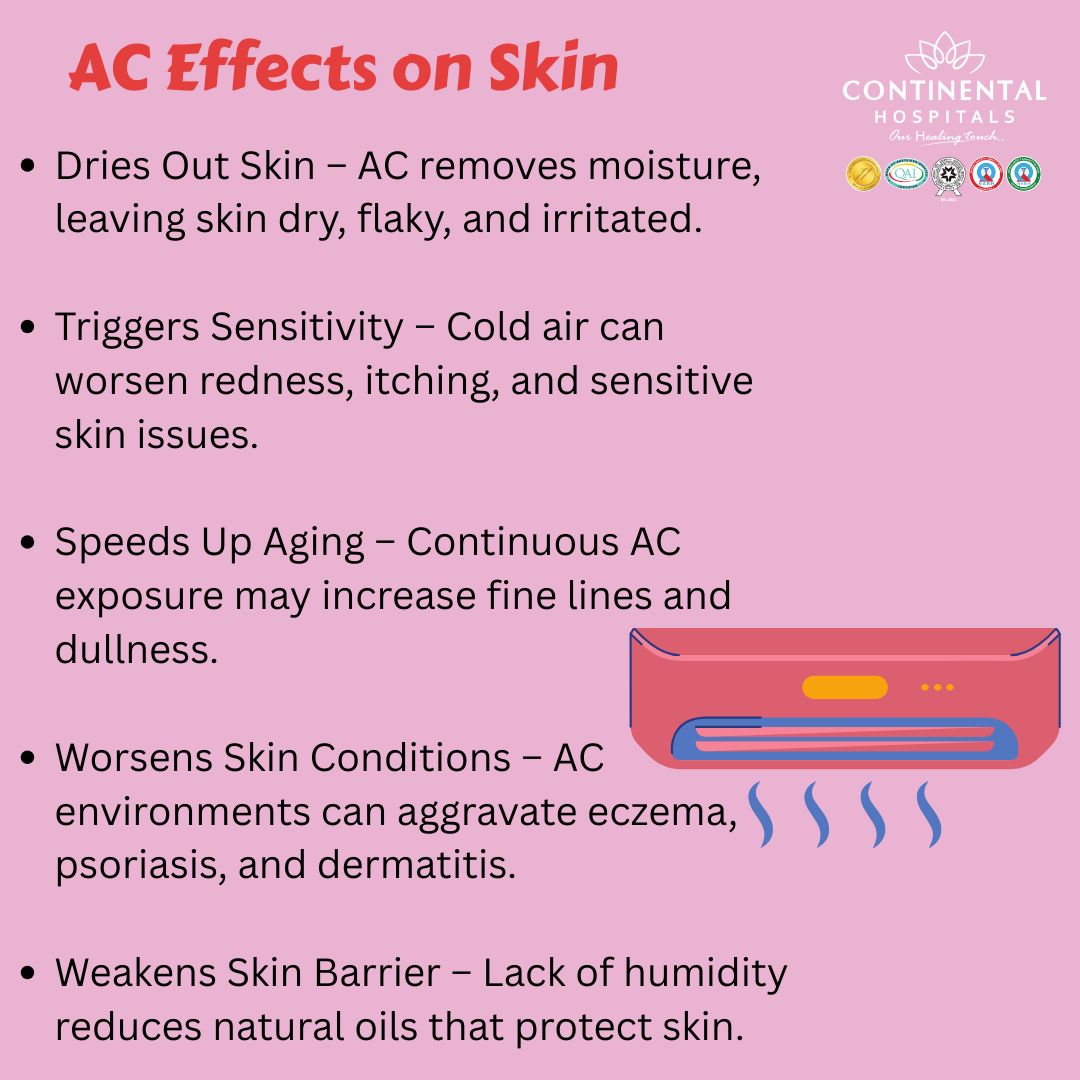
Turning the AC on full blast might feel like a quick fix, but constant, low‑level cooling works best for skin health. Set the thermostat around 72°F (22°C) and let the system run for 15‑20 minutes before you begin your routine. This steadier temperature prevents the shock of sudden cold, which can trigger a brief flare‑up in sensitive skin. If your AC has a “dry mode,” use it sparingly; while it reduces humidity, overly dry air can strip the skin of its natural oils.
Portable Coolers and Cryotherapy Devices
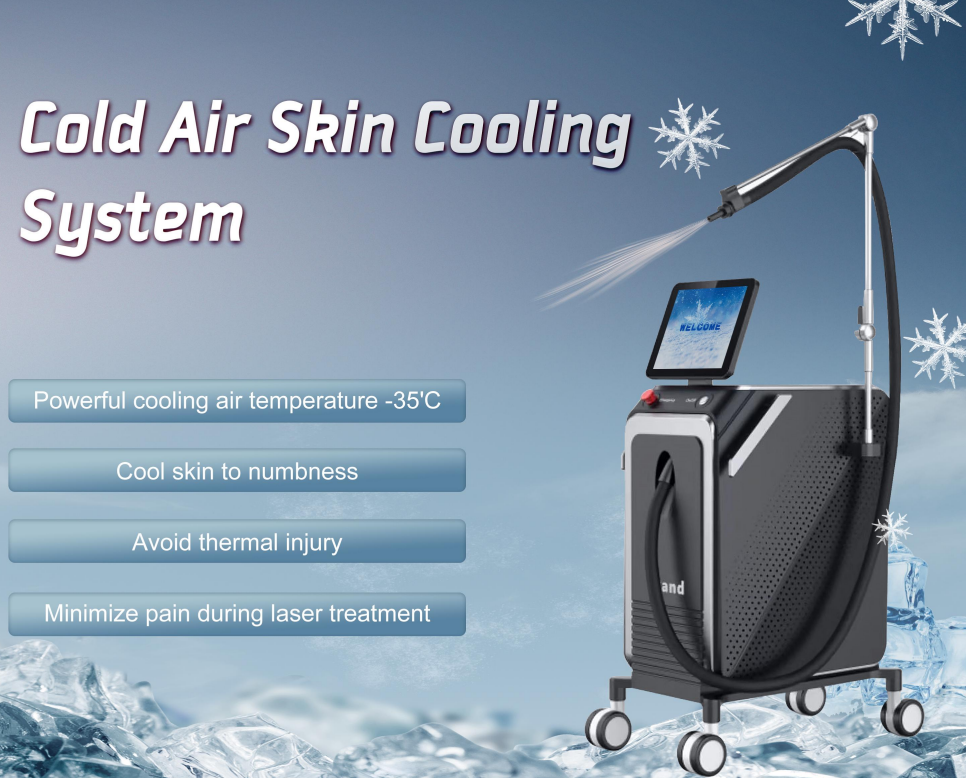
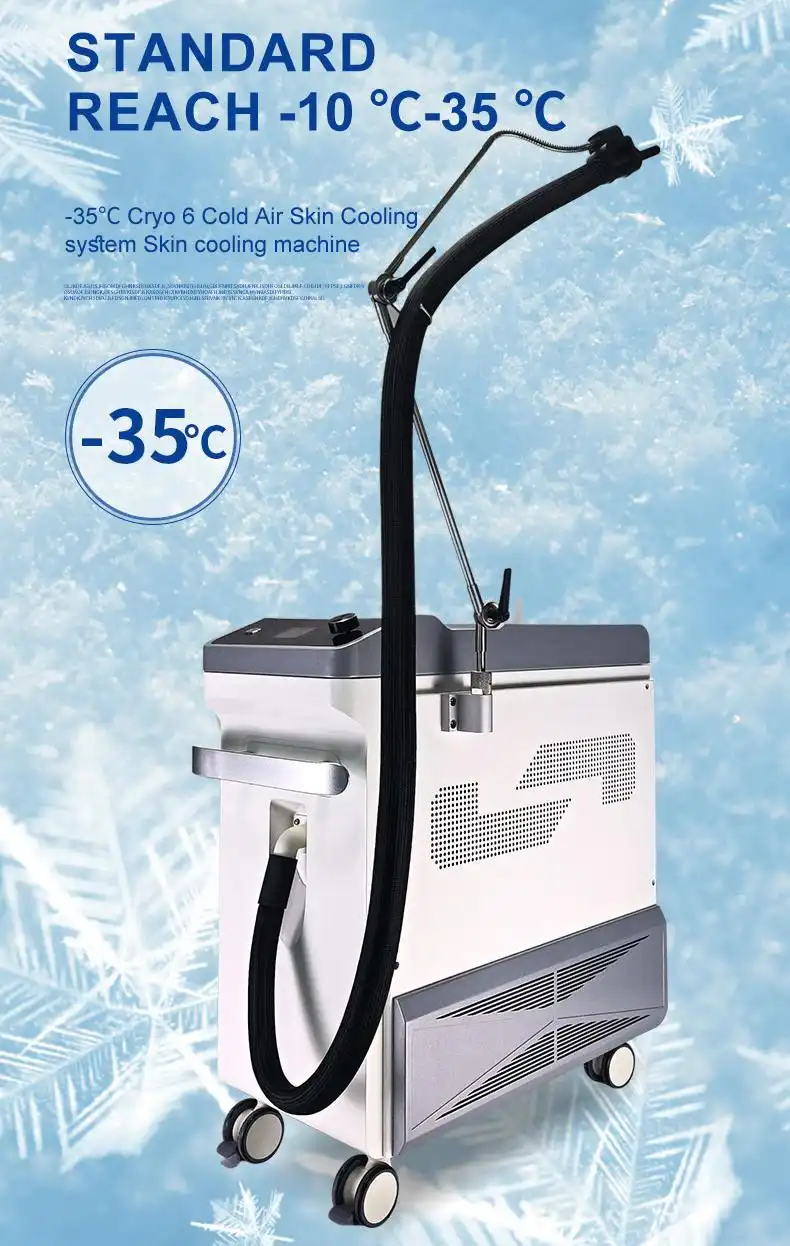
For those who love gadgets, handheld facial coolers or mini cryotherapy wands offer targeted relief. These devices typically circulate chilled air or a refrigerated gel pad for a few minutes, delivering an instant soothing sensation. Use them after exfoliation or before a nighttime moisturizer to calm any lingering redness. Just remember to keep sessions under five minutes to avoid over‑cooling, which could compromise the skin’s barrier function.
Combining Air Cooling with Skincare Products
- Start with a gentle cleanser. Rinse with lukewarm water, then pat dry—avoid hot water which re‑opens pores.
- Apply a cooling serum. Look for ingredients like cucumber, aloe, or menthol; they enhance the breathability of the skin.
- Use a fan or AC. While the serum absorbs, keep a fan on low to aid penetration without causing product to bead.
- Seal with a lightweight moisturizer. A gel‑based formula locks in hydration while still allowing airflow.
- Finish with a protective sunscreen. Even on cloudy days, UV rays can heat the skin; a breathable SPF maintains the cooling effect.
Potential Pitfalls and How to Avoid Them
- Over‑drying. Prolonged exposure to very cold air can diminish natural oils. Balance cooling with regular hydration.
- Direct drafts on the face. A strong breeze aimed straight at the nose and mouth may cause irritation or dryness. Angle fans slightly away.
- Temperature shock. Switching from a hot shower to an icy fan can trigger flushing in sensitive skin. Gradually lower the temperature instead of making abrupt changes.
- Neglecting humidity. Air that’s too dry can make fine lines appear deeper. Consider a humidifier in winter months when indoor heating dries the air.
FAQ
Can a fan replace the need for a moisturizer?
No. While a fan helps cool the surface, it doesn’t replenish lost lipids. Moisturizers still provide the essential barrier support that airflow alone can’t.
Is it safe to use an ice pack on the face for skin cooling?
Short, indirect contact—such as wrapping the ice in a thin cloth for 5 minutes—can be soothing, but direct ice can cause micro‑frostbite and worsen inflammation if left too long.
Do I need to change my skincare routine in humid climates?
Yes. In high humidity, the skin may already feel warm, so focus on lightweight, oil‑free formulas and increase airflow to prevent clogged pores.
How often should I incorporate air cooling into my regimen?
Most people benefit from a brief cooling session (5‑10 minutes) once or twice daily, especially after cleansing or before applying active ingredients.