Hong Kong vs Singapore: Which City Costs More?
When you hear the names Hong Kong and Singapore, the first thing that comes to mind is their glittering skylines and bustling financial districts. Both are global hubs, both attract expatriates with sky‑high salaries, and both have a reputation for being pricey. But if you’re weighing a move—or just curious about where your money stretches further—it helps to break down the actual cost differences. Below we compare housing, transportation, food, taxes and everyday expenses so you can see which city truly tips the scale.
Overall Cost of Living Snapshot
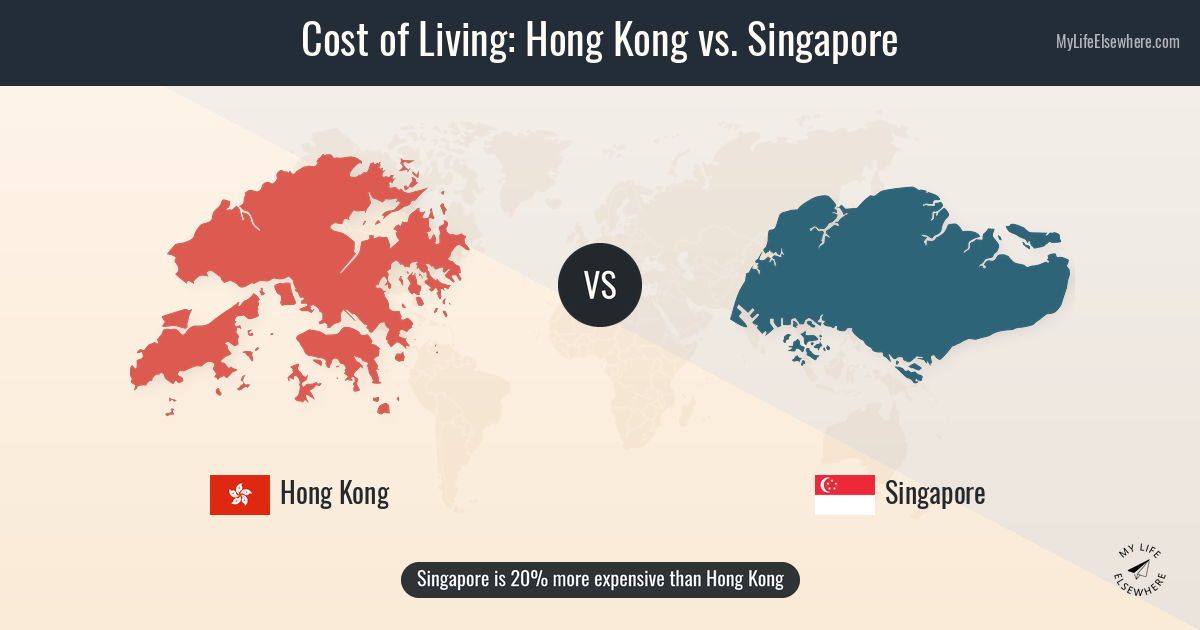
Various international cost‑of‑living indexes consistently rank Hong Kong just a notch above Singapore. That doesn’t mean the gap is huge; in many categories the two cities sit side by side. What does matter is how each expense category behaves for locals versus expatriates, and how lifestyle choices amplify—or soften—the price tag.
Housing: The Biggest Budget Item
Rent is usually the single biggest line item for anyone living in a major Asian metropolis. In Hong Kong, space is at a premium: a one‑bedroom apartment in Central can easily exceed HK$30,000 (about US$3,800) per month, while a comparable unit in a quieter district like Kowloon still tops HK$18,000. Singapore’s public housing system—known as HDB—offers a more affordable baseline; a three‑room HDB flat in a non‑prime location might cost SGD$1,800 (roughly US$1,300) monthly. Private condos in Singapore’s downtown core, however, can rival Hong Kong’s prices, reaching SGD$4,000‑5,000 (US$2,900‑3,600). The takeaway? If you’re willing to live in public housing or a peripheral neighborhood, Singapore can be markedly cheaper; otherwise the cost gap narrows.
Transportation: Efficient but Not Cheap
Both cities boast world‑class public transit, but pricing structures differ. Hong Kong’s Octopus card makes subway, bus and ferry rides cheap—about HK$4‑6 per trip for short journeys. Singapore’s EZ‑Link card is similar, with MRT rides ranging from SGD$0.90 to $2.20 depending on distance. When you factor in occasional taxis, ride‑hailing, or car ownership, the picture shifts. Owning a car in Hong Kong is notoriously expensive due to hefty registration fees and limited parking, while Singapore imposes a Certificate of Entitlement (COE) that can push a new car’s price well into the six‑figure range. For most residents, relying on public transport keeps daily commuting costs comparable, though Singapore’s integrated fare system often edges out Hong Kong in overall affordability.
Food and Dining: From Street Bites to Michelin Stars
If you’re a foodie, both cities will test your wallet. A typical hawker stall meal in Singapore—think chicken rice or laksa—costs SGD$3‑5. In Hong Kong, a similar street‑food bowl of wonton noodles runs about HK$30‑40. When you step into mid‑range restaurants, the gap narrows: a three‑course dinner for two might set you back SGD$80‑100 in Singapore and HK$600‑800 in Hong Kong. Grocery bills follow a similar trend; imported items are pricier in both places, but Hong Kong’s reliance on imports pushes certain staples (like fresh dairy) higher than in Singapore, where local production cushions costs.
Taxes and Healthcare: Hidden Expenses
Both jurisdictions have relatively low personal income tax rates compared with many Western countries. Hong Kong caps its top marginal rate at 17%, while Singapore’s highest bracket sits at 22%. However, Singapore offers more comprehensive public healthcare subsidies, especially for residents, which can reduce out‑of‑pocket expenses for routine care. Hong Kong’s public hospitals provide quality services, but the cost for non‑residents or private treatment can climb quickly. For expatriates, the tax savings in Hong Kong may be offset by higher private health insurance premiums.
Leisure and Miscellaneous Costs
Gym memberships, cinema tickets and nightlife tend to be slightly cheaper in Singapore, though the difference isn’t dramatic. A monthly gym pass costs around SGD$70‑120, versus HK$400‑600. Cinema tickets hover around SGD$13 in Singapore and HK$80 in Hong Kong. One area where Hong Kong can feel pricier is shopping for luxury goods; high import duties and limited local brands often mean higher price tags on designer items.
What Influences Your Bottom Line?
- Housing choice: Opting for public housing in Singapore or a suburban flat in Hong Kong can slash rent dramatically.
- Transport habits: Frequent taxi use or owning a car will amplify costs in both cities, but Hong Kong’s parking scarcity makes car ownership especially burdensome.
- Dining preferences: Regularly eating at high‑end restaurants narrows the cost gap; sticking to local eateries favors Singapore.
- Expat tax status: Tax treaties and allowances can affect net take‑home pay, altering perceived expense.
Bottom Line: Which City Is More Expensive?
All things considered, Hong Kong generally edges out Singapore in overall cost of living, largely because of its housing market and higher prices for certain everyday goods. Yet the difference isn’t uniform—Singapore’s private housing, car ownership and occasional luxury purchases can rival Hong Kong’s costs. If you prioritize affordable housing and public healthcare, Singapore often feels lighter on the wallet. If you value lower income tax and a more expansive expatriate network, Hong Kong’s higher rent may be a trade‑off you’re willing to make.
Frequently Asked Questions
Is Hong Kong or Singapore cheaper for a single expatriate?
Generally, a single expat will find Singapore marginally cheaper, especially if they live in public housing and rely on public transport. Hong Kong’s housing premiums can quickly outweigh its lower tax rates.
How do utilities compare between the two cities?
Utility bills (electricity, water, internet) are similar, though Hong Kong’s hot, humid climate often leads to higher air‑conditioning usage, nudging monthly costs upward by about 10‑15%.
Which city offers better value for families?
Singapore tends to provide better value for families thanks to its extensive public school system, subsidized healthcare, and more spacious public housing options.
![The Better Vacation: Hong Kong Vs Singapore [2026 ]](https://www.bestinsingapore.co/wp-content/uploads/2024/02/Hong-Kong-or-Singapore.jpg)