High‑Protein Meal Prep 101: Simple Plans That Fuel Your Bulk
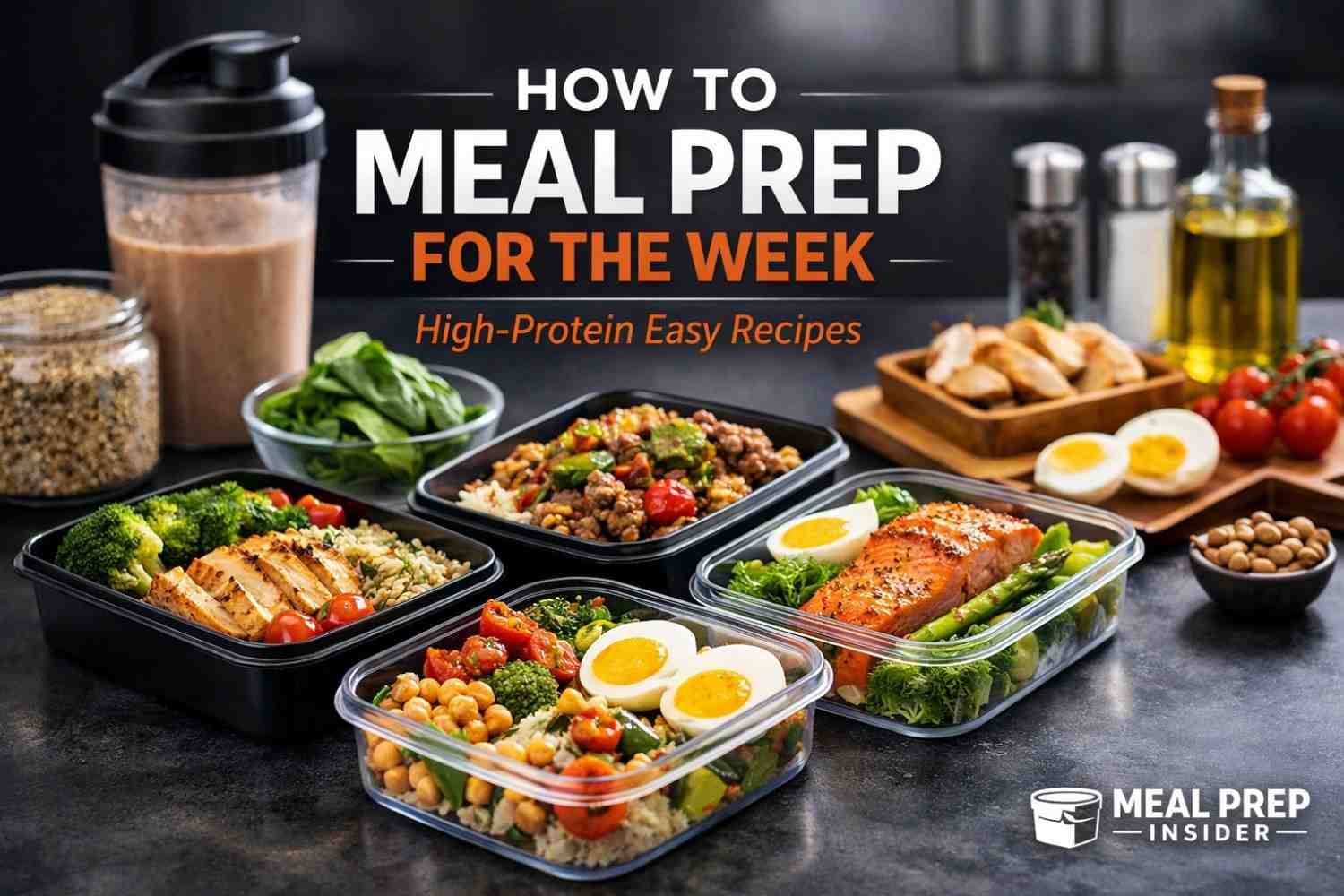
When the goal is to pack on lean muscle, the foundation is simple: eat enough protein to support muscle repair and growth. High‑protein meal prep turns that foundation into a structured, stress‑free routine that keeps your body fueled, your time saved, and your bulk on track.
Why High‑Protein Meal Prep Is a Game‑Changer
Working out hard every week burns calories and creates tiny tears in muscle fibers. To rebuild those fibers larger, your body needs a steady supply of amino acids—protein’s building blocks. If you’re not eating protein consistently, your gains stall, even if you’re hitting the gym hard. Meal prep ensures you meet that demand without the guesswork.
Calculating Your Protein Needs for Bulking
The science is simple: most athletes aiming for muscle growth consume between 1.6 to 2.2 grams of protein per kilogram of body weight per day. A 90‑kg lifter, for instance, should target 144 to 198 grams daily. Break that number into 4–6 meals, and you’ll find the protein is spread evenly, keeping hunger at bay and blood sugar steady.
Selecting the Right Protein Sources
- Animal proteins – chicken breast, turkey, lean beef, eggs, dairy. They provide all essential amino acids.
- Plant proteins – lentils, chickpeas, quinoa, tofu, tempeh. Pair two complementary sources for a complete amino acid profile.
- Protein supplements – whey or plant‑based powders can fill gaps, especially post‑workout.
Choosing a mix keeps meals interesting and ensures micronutrients aren't missing.
Core Meal Prep Strategies
- Batch‑cook staples. Cook large portions of grains, beans, and legumes at once. Store in airtight containers; they last 4–5 days in the fridge.
- Use a “protein‑first” approach. Roast or grill chicken, turkey, or tofu first. Then add vegetables and sauces.
- Freeze for future use. Portion out one‑meal servings and freeze. Thaw in the microwave for a quick, hot lunch.
- Label and date. Prevent confusion and reduce waste.
These steps make daily cooking feel like a set‑and‑forget task.
Sample 4‑Meal Plan for the Week
Here’s a realistic, protein‑dense layout that can be tweaked to taste.
- Breakfast (Protein Pancakes) – 4 egg whites, 1/2 cup oats, 1 scoop whey, topped with Greek yogurt and berries.
- Lunch (Quinoa & Chicken Bowl) – 150 g grilled chicken, 1 cup cooked quinoa, steamed broccoli, a drizzle of tahini.
- Snack (Hummus & Veggies) – 100 g hummus, sliced carrots, bell pepper, cucumber.
- Dinner (Beef & Sweet Potato) – 200 g lean ground beef, roasted sweet potato, sautéed spinach, and a side of mixed greens.
Adjust portion sizes to hit your daily protein target. Swap out proteins or veggies to keep the menu fresh.
Storage Tips for Longevity and Safety
Store cooked proteins in shallow containers to cool faster. Use separate containers for sauces to avoid soggy textures. If freezing, keep the portion size small—usually 200–300 g—to allow even reheating. Label everything with the date and contents; that tiny habit prevents food waste and keeps your meals predictable.
Common Pitfalls and How to Avoid Them
- Relying too much on supplements. Protein powder can help, but whole foods provide vitamins, minerals, and fiber.
- Skipping snacks. A mid‑day protein snack bridges the gap between meals, sustaining muscle synthesis.
- Not rotating flavors. Monotonous meals can lead to boredom and eventual non‑compliance.
- Overcooking proteins. This can lead to loss of nutrients and tougher textures.
Recognizing these patterns keeps your prep routine effective and enjoyable.
FAQs About High‑Protein Meal Prep for Bulking
- How much protein should I consume each meal? Aim for 20–30 g per meal; adjust based on body weight and training intensity.
- Can I bulk with a vegetarian diet? Yes—combine legumes, soy, whole grains, and nuts for a complete amino acid profile.
- Is it necessary to cook everything at once? Not required. Prepare proteins or grains separately and assemble meals fresh when you’re ready to eat.
- What’s the best storage temperature for cooked proteins? Keep them under 4 °C (39 °F) in the fridge; freeze at −18 °C (0 °F) for longer shelf life.
Implementing these guidelines turns high‑protein meal prep into a sustainable habit that fuels your bulk without sacrificing flavor or convenience.