Grafting vs. Budding: Which Plant Propagation Works Best?
When you’re looking to multiply fruit trees, roses, or ornamental shrubs, the choice often boils down to two classic techniques: grafting and budding. Both have been practiced for centuries, yet each carries its own set of quirks, timing windows, and success rates. If you’ve ever wondered which propagation method wins in the real world, you’re not alone—gardeners, orchardists, and hobbyists constantly weigh the trade‑offs. Let’s unpack the science and the art behind grafting vs. budding, and see how the right method can hinge on the plant, the season, and your own comfort level.
Understanding the Basics of Grafting and Budding
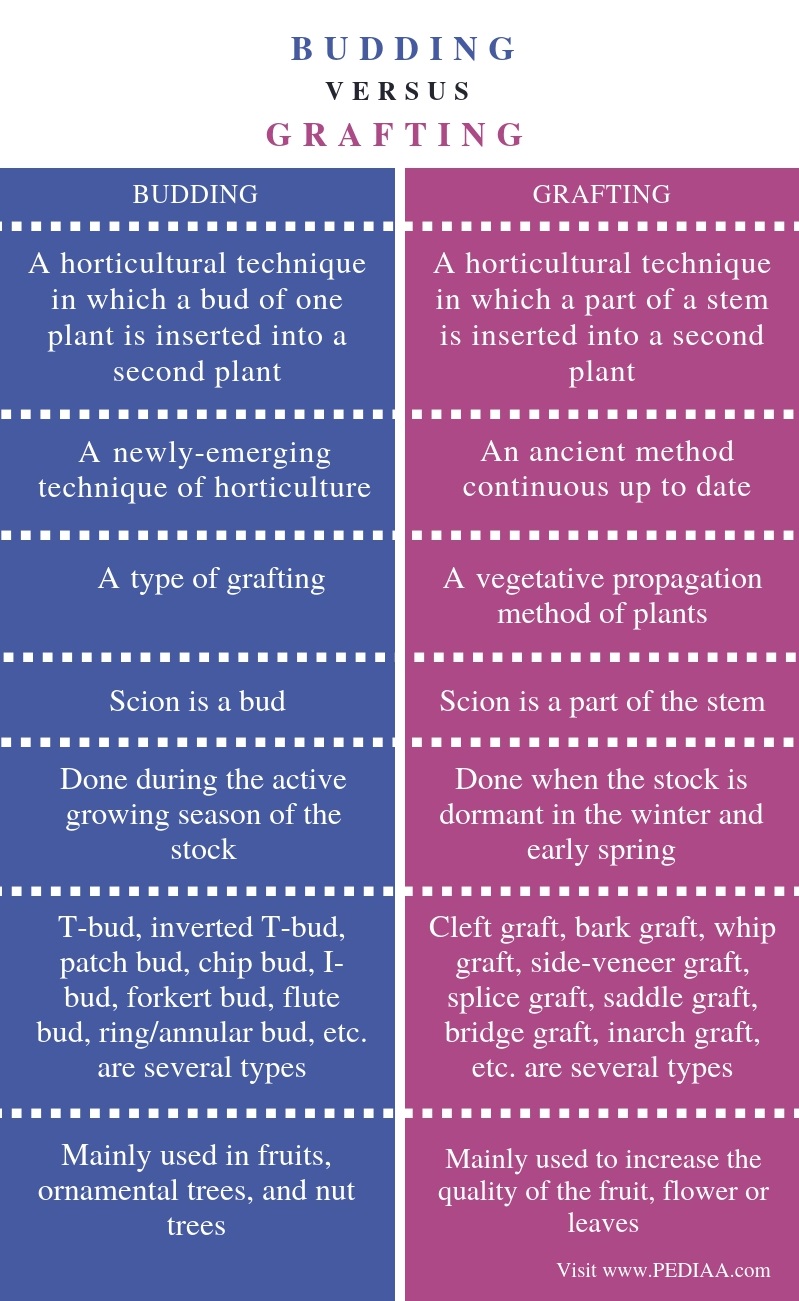
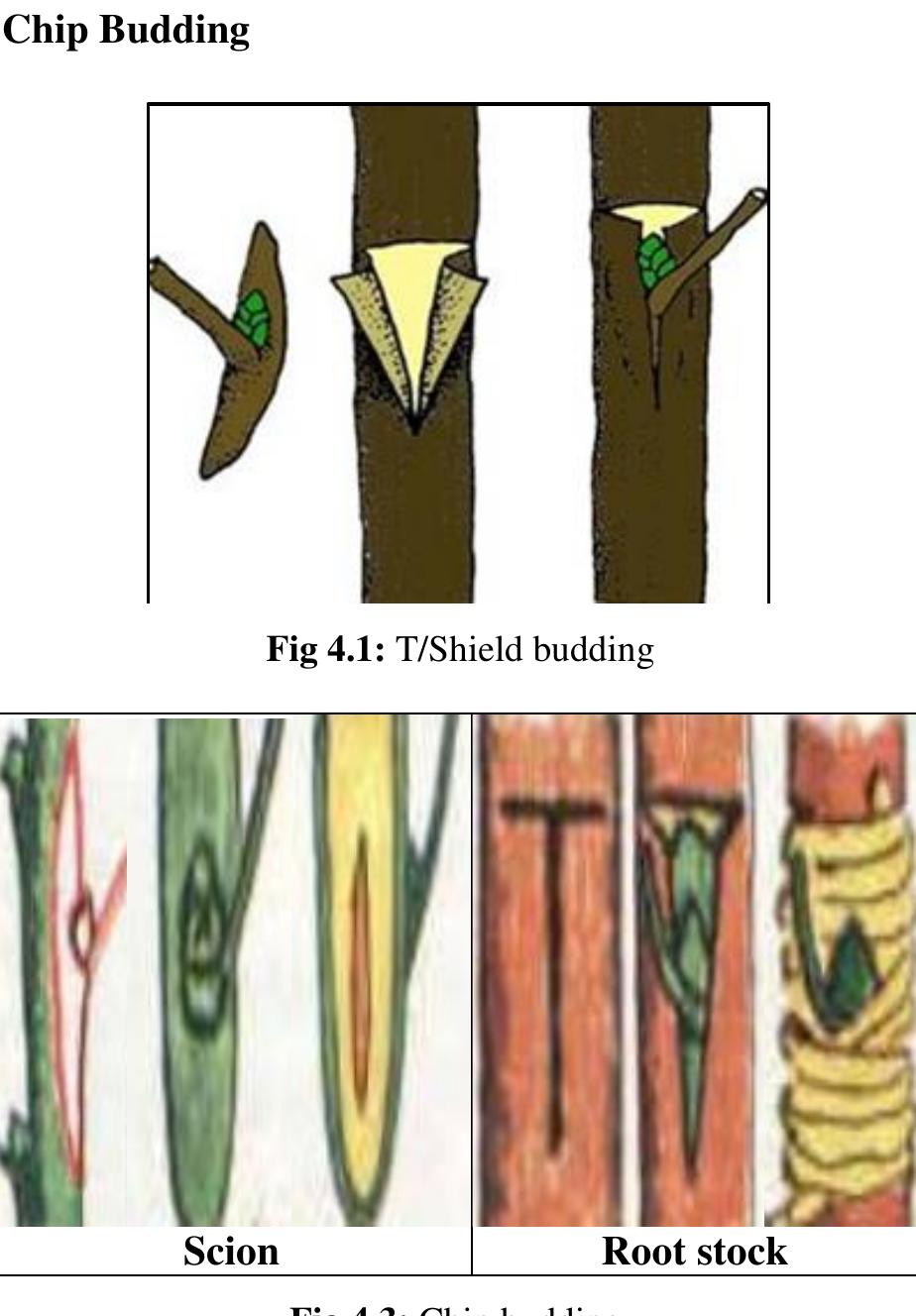
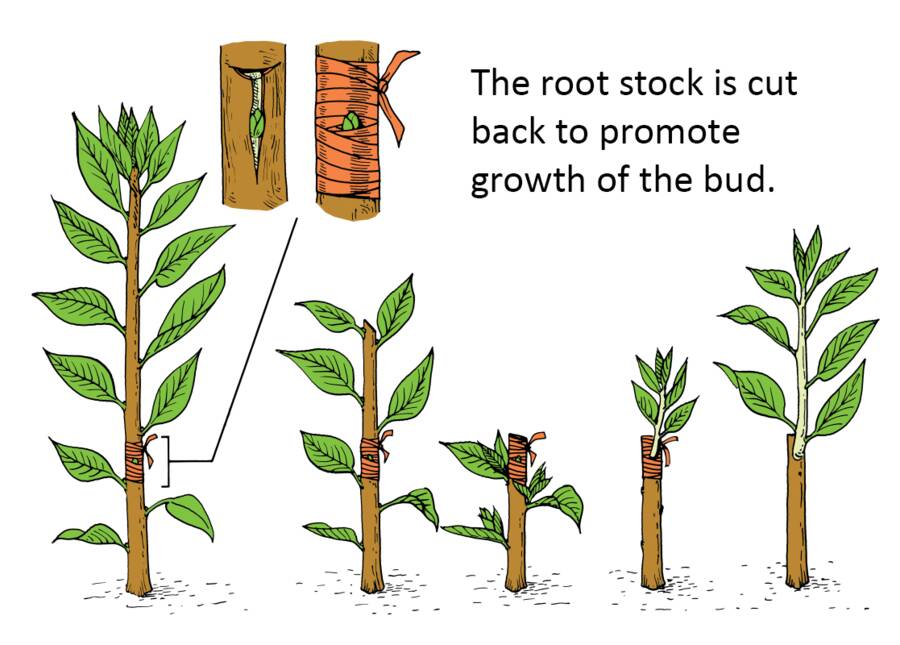
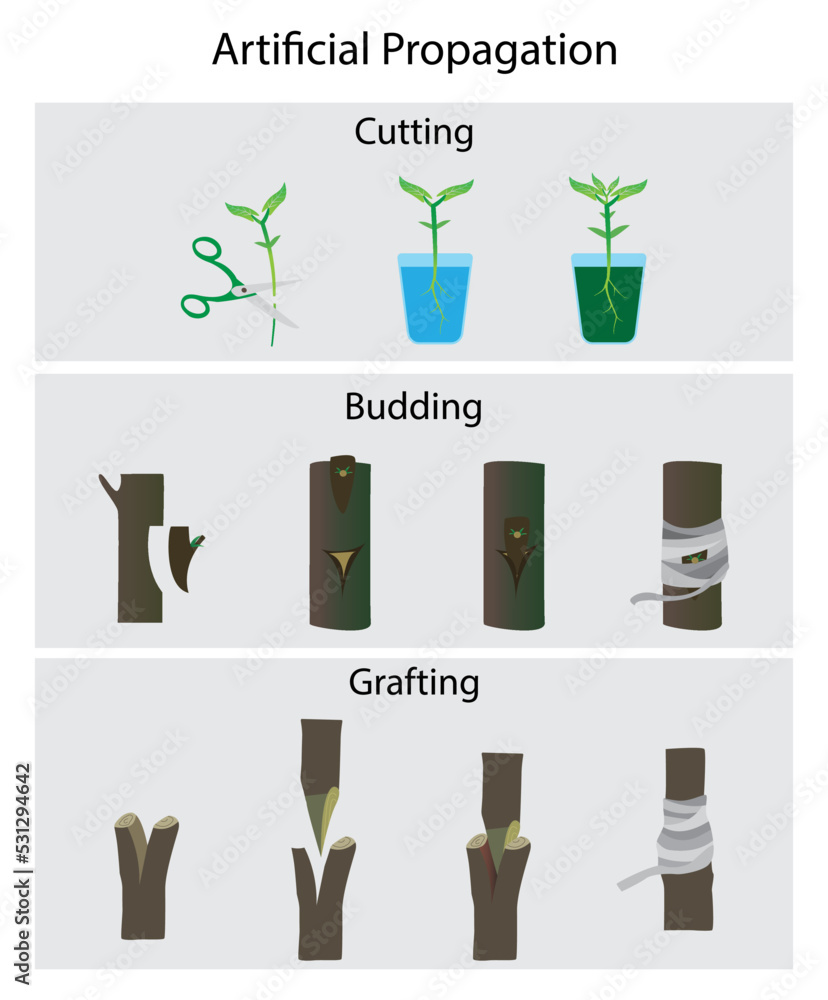
At its core, grafting involves joining two mature plant parts—a scion (the desired cultivar) and a rootstock (the supporting base)—so that they grow as one. The union is typically made by matching cambial layers, the thin tissue just beneath the bark that transports nutrients. Budding, on the other hand, uses a single bud rather than an entire shoot. That bud is inserted into a slit or bud‑scale on the rootstock, then sealed until it takes hold. Both methods rely on the same biological principle: the vascular systems must fuse, allowing the scion or bud to receive water, sugars, and hormones from the rootstock.
Grafting vs. Budding: Which Method Wins?
There’s no universal champion—success depends on species, climate, and the grower’s goals. Grafting shines when you need a sturdy, well‑established connection quickly, especially for large‑stem varieties like apple or walnut. Budding, however, excels with plants that produce many small shoots, such as grapes, citrus, and many ornamental roses. Budding also tends to be less labor‑intensive and can be performed later in the growing season when the bark is more pliable.
Key Differences in Technique and Timing
- Size of material: Grafting uses a multi‑node scion, while budding works with a single bud.
- Seasonality: Grafting is usually done in late winter or early spring when the cambium is active but the sap isn’t running full tilt. Budding can be performed from early spring through midsummer, depending on the species.
- Skill level: Grafting often demands precise cuts and a snug fit, making it a bit more demanding for beginners. Budding is forgiving; the bud is protected by the surrounding bark and sealant, reducing the chance of desiccation.
Pros and Cons of Each Method
Grafting
- Pros: Strong structural union; good for large‑diameter rootstocks; allows multiple buds to be attached at once, speeding up canopy development.
- Cons: Requires more tools (sharp knives, grafting tape); higher risk of misalignment leading to failure; generally needs a longer healing period before the graft can bear fruit.
Budding
- Pros: Faster to set up; less material needed; works well on thin, flexible rootstocks; can be done later in the season, extending the propagation window.
- Cons: Only one bud per insertion point, so more insertions are needed for a full tree; some species are less tolerant of bud scars, which can affect long‑term vigor.
Choosing the Right Method for Your Situation
If you’re an orchard manager aiming for uniform, high‑yield trees, grafting often makes the most sense. The robust connection helps the tree withstand wind, weight of fruit, and occasional disease pressure. Conversely, a backyard hobbyist who wants to experiment with new varieties on a limited budget may favor budding. It requires fewer supplies, and the smaller graft size means less waste if a particular combination doesn’t take.
Other practical considerations include:
- Rootstock compatibility: Some rootstocks reject grafts but accept buds, especially in citrus where the “T” bud technique is a staple.
- Available labor: Budding can be a quicker, one‑person job; grafting may need a second set of hands for larger scions.
- Desired speed of growth: Grafted scions often develop a stronger initial framework, leading to earlier fruiting in certain fruit trees.
Ultimately, the “winner” is the method that aligns with your plant species, seasonal window, and the amount of effort you’re willing to invest. Many seasoned growers actually alternate between both, using grafting for the backbone of a new orchard and budding for rapid variety trials.
Frequently Asked Questions
Can I graft and bud the same tree in one season?
Yes. It’s common to graft a strong central leader early in spring and then add buds later for additional cultivars or to replace a failing branch.
Which method gives better disease resistance?
Neither method inherently improves disease resistance; it’s the choice of rootstock that matters most. A compatible, disease‑resistant rootstock will protect both grafted and budded scions.
Do I need special equipment for budding?
A sharp knife or bud‑ding knife, a small piece of grafting tape, and a sealing compound (like parafilm) are usually enough. Many gardeners even use a simple plastic wrap as a makeshift seal.
How long does it take for a graft or bud to take?
You’ll typically see callus formation within 1–2 weeks, and visible growth emerges after 3–4 weeks. Full integration can take several months, depending on temperature and humidity.