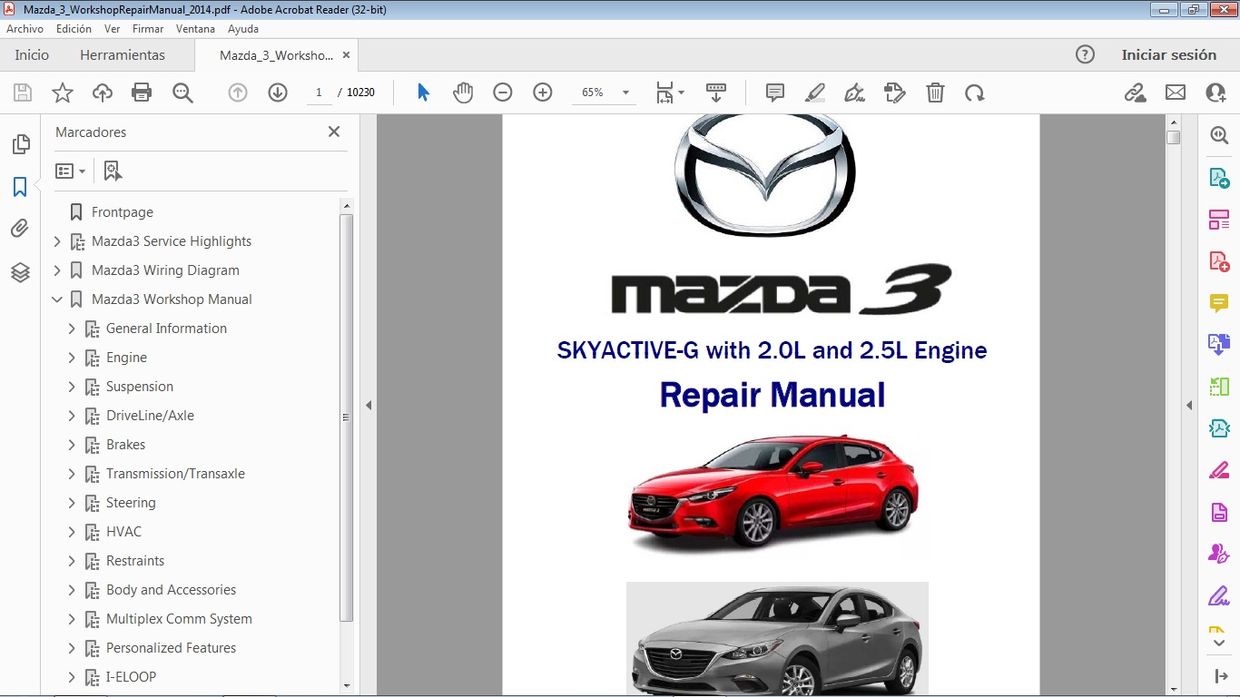
Everything You Need to Know About Repairing a Mazda 3
Understanding the Most Common Mazda 3 Problems
If you’ve owned a Mazda 3 for a few years, you’ve probably noticed that a few issues keep cropping up across different model years. The most frequent culprits are the engine coolant leaks, brake wear, and the infamous infotainment screen flicker. While older models (2004‑2010) tend to suffer from rust‑related body panel fatigue, newer generations (2014‑2021) often report turbocharger lag and fuel pump hiccups. Knowing which symptoms belong to which generation helps you diagnose faster and avoid unnecessary part swaps.
Even though each Mazda 3 has its own quirks, the underlying repair philosophy stays the same: start with the simplest checks, then move toward more involved disassembly. A good rule of thumb is to verify fluid levels, listen for abnormal noises, and scan for fault codes before you reach for the wrench.
Preparing Your Workshop: Essential Tools and Safety Gear
Before you dive into any repair, make sure your work area is organized. A clutter‑free garage not only speeds up the job but also reduces the risk of accidents. Here’s a quick checklist of items you’ll want within arm’s reach:
- Socket set – a 10 mm to 19 mm range covers most bolts on the chassis and engine.
- Torque wrench – crucial for tightening suspension bolts to factory specifications.
- Jack and jack stands – always use a rated floor jack and secure the car on stands; never rely on a hydraulic lift alone.
- OBD‑II scanner – modern Mazda 3s speak the same language as most diagnostics tools; a handheld scanner will reveal stored codes in seconds.
- Safety glasses and gloves – protect your eyes from splattered coolant and keep your hands clean when handling chemicals.
Don’t overlook the importance of proper ventilation, especially when you’re working with brake fluid or coolant. A portable exhaust fan can keep fumes from lingering in a small space.
Step‑by‑Step Fixes for Frequent Issues
1. Tackling Coolant Leaks
Coolant leaks often originate from the radiator hose, water pump, or the thermostat housing. Start by inspecting the hose for cracks or bulges. If the hose looks sound, check the water pump’s bearing for a whining noise – that usually signals a failing seal.
To replace a leaking hose, follow these steps:
- Drain the cooling system by opening the petcock at the radiator’s bottom.
- Remove the old hose using a flat‑head screwdriver to release the clamps.
- Slide the new hose into place, re‑install the clamps, and tighten them just enough to prevent movement without crushing the hose.
- Refill the system with a 50/50 mix of Mazda‑approved antifreeze and distilled water, then bleed air by running the engine with the radiator cap off until the coolant level stabilizes.
2. Restoring Brake Performance
Squealing brakes are rarely a sign of a catastrophic failure; more often, they point to worn pads or glazed rotors. Begin by removing the wheel and inspecting the pad thickness. If the pad is below 3 mm, replace it.
When installing new pads, apply a thin layer of high‑temperature brake grease to the back of the pads and the caliper pins. This prevents uneven wear and squeal. If the rotors feel rough to the touch, consider a resurfacing or a full replacement—Mazda recommends a minimum thickness of 1.5 mm for safety.
3. Fixing the Infotainment Screen Flicker
Most owners attribute a flickering screen to a loose connection. In most Mazda 3 models, the infotainment unit is mounted on a detachable bracket that can be accessed by removing a few trim pieces.
Once you’ve opened the unit, disconnect the main harness and gently pry the LCD connector apart. Inspect for bent pins or corrosion; a quick clean with isopropyl alcohol often restores a stable image. Reassemble, and you should notice an immediate improvement.
4. Addressing Turbocharger Lag (2019‑2021 Models)
Turbo lag can be traced back to a clogged intercooler or a failing wastegate actuator. A simple visual inspection of the intercooler for oil buildup can reveal whether a cleaning is needed. If you spot excessive carbon deposits, a professional pressurized wash is advisable.
For the wastegate, listen for a high‑pitched whine during acceleration. A faulty actuator often requires replacement rather than repair, as Mazda’s design integrates the actuator directly into the turbine housing.
When to Call a Professional
Some repairs, while technically doable at home, demand specialized equipment or certifications. If you encounter any of the following, it’s wise to seek a certified Mazda technician:
- Transmission fluid leaks that require a pan drop‑out.
- Engine timing chain issues—incorrect tension can cause catastrophic engine failure.
- Airbag system diagnostics after a collision; improper handling can trigger false warnings.
- Complex electronic module failures, such as the CAN‑bus communication errors.
In these cases, the cost of a misstep often outweighs the savings from a DIY approach.
Maintenance Tips to Keep Future Repairs at Bay
Preventive care is the cheapest form of repair. Here are three habits that can extend the life of your Mazda 3:
- Regular fluid changes—swap engine oil every 5,000 km and replace coolant every 80,000 km to avoid corrosion.
- Periodic brake inspections—check pad wear and rotor condition every 10,000 km; catching uneven wear early saves money on rotors.
- Keep the exterior clean—especially the undercarriage during winter; salt can accelerate rust on older chassis.
Adhering to Mazda’s service schedule, which you can find in the owner’s manual, ensures that hidden wear doesn’t surprise you later on.
Frequently Asked Questions
Q: How often should I replace the timing belt on a Mazda 3?
A: Mazda recommends replacing the timing belt at 100,000 km or every six years, whichever comes first. Skipping this can lead to severe engine damage.
Q: Can I use generic brake fluid instead of Mazda‑branded fluid?
A: Yes, as long as the fluid meets the DOT 4 specification. Mixing different brands isn’t advisable, though, as it can affect boiling points.
Q: What’s the best way to diagnose a random stalling issue?
A: Start with an OBD‑II scan to check for misfire codes, then inspect the fuel pump relay and the crankshaft position sensor. Both are common culprits.
Q: Is it safe to drive with a slightly cracked windshield?
A: A minor chip can be repaired, but a crack that interferes with the driver’s line of sight should be replaced promptly to maintain structural integrity.