Dynamic vs. Static Pressure: Understanding the Key Differences
When you hear engineers talk about pressure, they often split it into two camps: dynamic pressure and static pressure. Though the terms sound technical, the underlying ideas are surprisingly intuitive. In everyday language, static pressure is what you feel when you push against a wall, while dynamic pressure is the “push” you get from moving air or fluid. Grasping how these two forms differ—and how they combine—can demystify everything from airplane lift to HVAC design.
What Is Static Pressure?
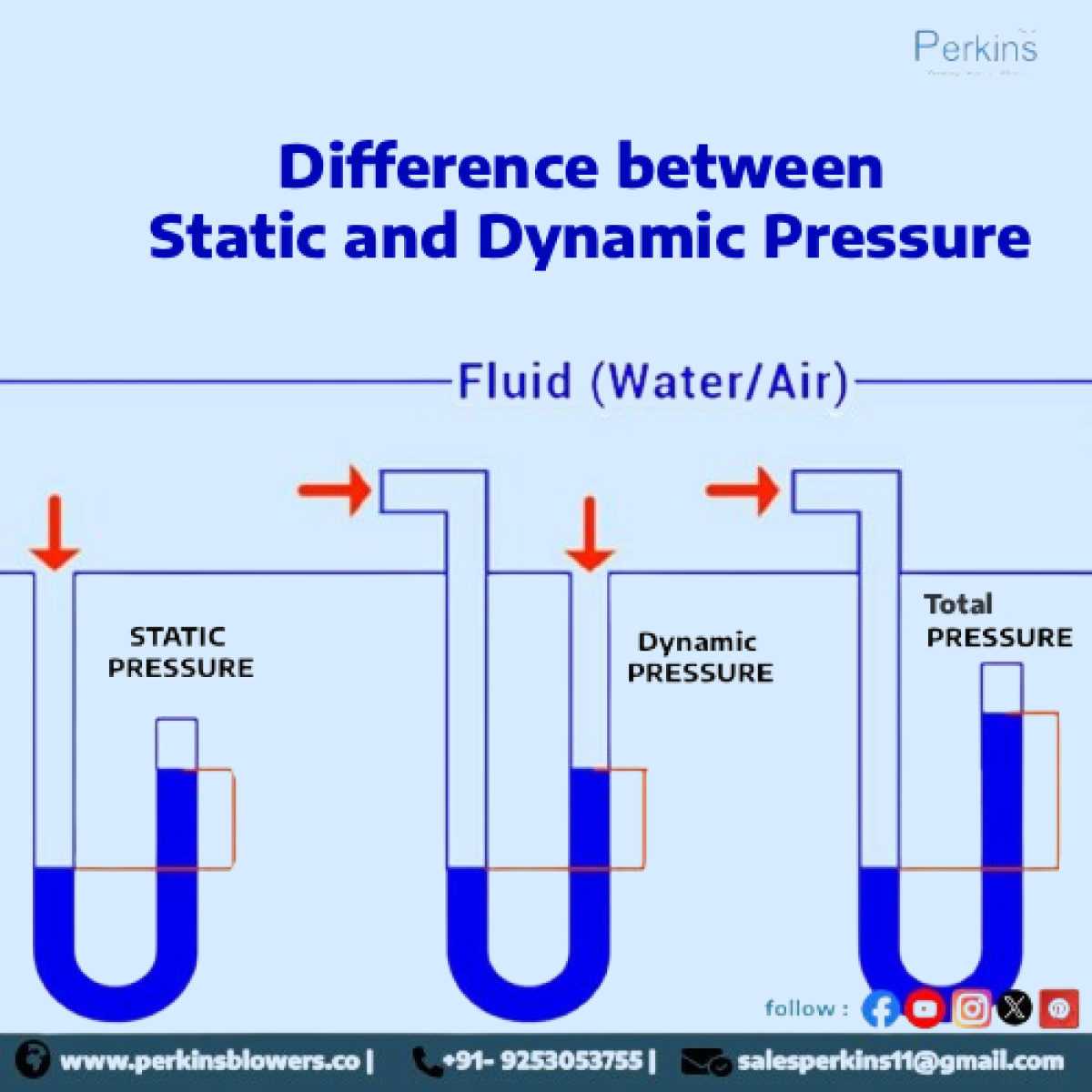
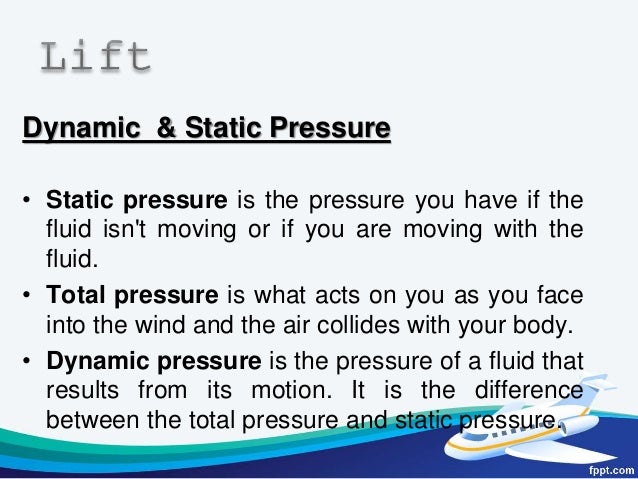
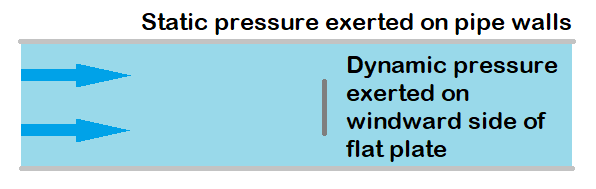
Static pressure is the force exerted perpendicular to a surface, independent of any motion. Imagine a still lake: the water presses equally in every direction, and that uniform force is static pressure. In gases, static pressure is measured with a pitot‑static tube that faces away from the flow, capturing the ambient pressure of the surrounding air. Because it doesn’t involve velocity, static pressure remains constant at a given altitude or depth, assuming temperature and composition stay the same.
What Is Dynamic Pressure?
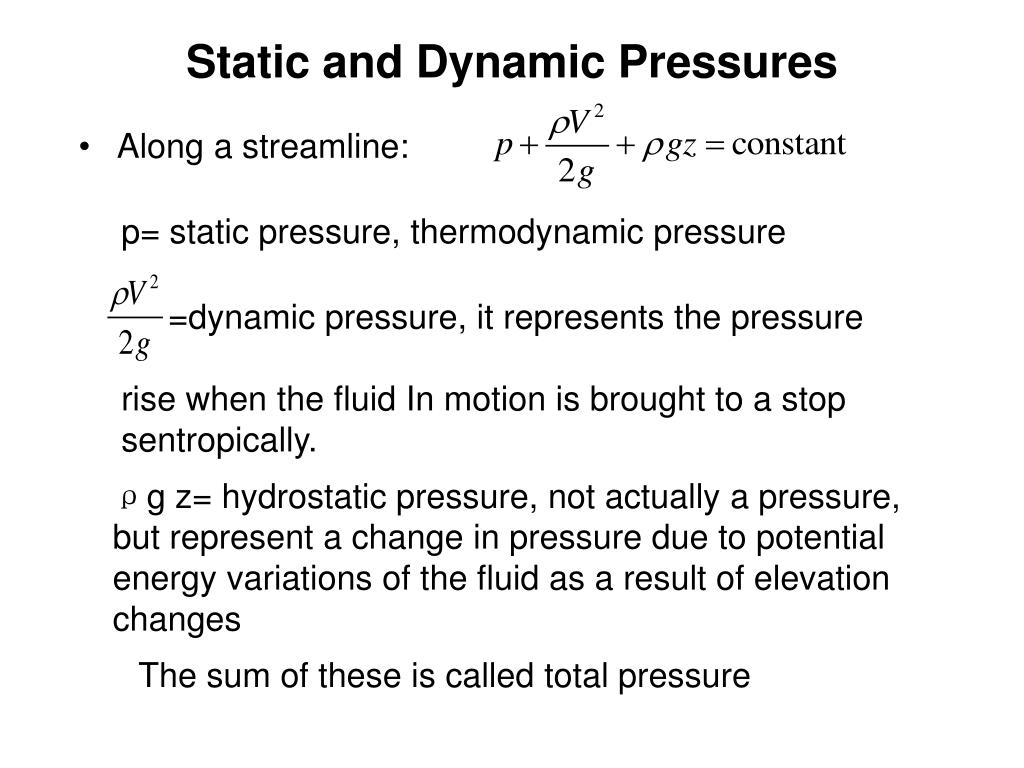
Dynamic pressure, by contrast, is tied directly to the speed of a fluid. It represents the kinetic energy per unit volume that the moving fluid carries. The classic formula, q = ½ ρ v², shows that as velocity (v) increases, dynamic pressure rises dramatically—doubling the speed quadruples the dynamic pressure. Pilots feel this when an aircraft accelerates: the faster the plane moves, the greater the dynamic pressure acting on the wings and control surfaces.
How the Two Interact in Real‑World Systems
In most practical situations, static and dynamic pressure coexist. A pitot‑static probe, for example, measures both: the pitot opening faces the flow to capture total pressure (static + dynamic), while a side port measures pure static pressure. Subtracting the static value from the total gives you dynamic pressure, which can then be used to calculate airspeed. Similarly, HVAC engineers balance static pressure across ducts to ensure airflow meets design specifications, while accounting for dynamic pressure generated by fans.
Why the Distinction Matters
Understanding the difference isn’t just academic—it influences safety, performance, and efficiency. In aviation, under‑estimating dynamic pressure can lead to structural overload, while over‑estimating static pressure may cause erroneous altitude readings. In industrial settings, neglecting static pressure drops across filters can starve downstream equipment of the needed flow, whereas ignoring dynamic pressure losses in high‑speed pipelines can cause costly energy waste.
Static Pressure in Everyday Devices
- Air conditioners. The unit’s fan creates dynamic pressure to push air through coils, but the ductwork must maintain adequate static pressure to avoid “blowing” air out of gaps.
- Automotive tires. The air inside a tire exerts static pressure against the rubber, supporting the vehicle’s weight regardless of speed.
- Water supply. Municipal pipelines rely on static pressure generated by elevation differences and pumps, ensuring water reaches every faucet.
Dynamic Pressure in Everyday Devices
- Wind turbines. Blades harvest dynamic pressure from moving air to spin generators.
- Spray nozzles. Paint or pesticide applicators convert fluid velocity into dynamic pressure that atomizes the liquid.
- Sports balls. A soccer ball’s flight is shaped by the dynamic pressure of the air flowing around it, influencing drag and lift.
Common Misconceptions
One frequent error is treating static pressure as a “resting” value that never changes. In reality, any obstruction—like a clogged filter—creates a pressure drop, lowering static pressure downstream. Conversely, many assume dynamic pressure only matters at high speeds, but even modest airflow in a home ventilation system can generate measurable dynamic pressure that affects comfort.
Measuring the Two Pressures
Professional tools vary by application. Pitot‑static tubes dominate aerospace, while manometers and pressure transducers are common in HVAC. For hobbyists, digital anemometers often display both static and dynamic components, letting you experiment with airflow in a garage workshop.
Design Tips for Engineers and DIY Enthusiasts
When sizing a duct, start with the desired airflow (CFM) and calculate the required static pressure drop using the Darcy‑Weisbach equation. Then, choose a fan whose dynamic pressure output matches that drop. In aeronautics, designers use wind‑tunnel data to separate static and dynamic contributions, ensuring the airframe can tolerate peak dynamic loads without compromising static stability.
Dynamic vs. Static Pressure: A Quick Recap
- Static pressure: force per unit area, independent of motion.
- Dynamic pressure: kinetic energy per unit volume, proportional to the square of velocity.
- Both are measured together as total pressure; their difference reveals the fluid’s speed.
- Misjudging either can lead to inefficiency, safety hazards, or equipment failure.
Frequently Asked Questions
Q: Can static pressure become negative?
A: Yes. In high‑speed flows, the static pressure can drop below ambient, creating suction zones that affect lift and drag.
Q: How does altitude affect static and dynamic pressure?
A: As altitude rises, ambient static pressure decreases, which also reduces dynamic pressure for a given speed because density (ρ) drops.
Q: Do pressure readings change with temperature?
A: Temperature influences density, so both static and dynamic pressures shift with temperature changes, even if speed remains constant.
Q: Is dynamic pressure relevant for low‑speed fans?
A: Absolutely. Even a household ceiling fan creates dynamic pressure that moves air; designers still account for it to achieve desired airflow.