Demystifying Input, Process, and Output: A Clear Guide
Every system—whether a computer program, a factory line, or a daily routine—depends on three simple elements: input, process, and output. Understanding how these parts interact turns confusion into confidence and allows you to troubleshoot, design, and improve almost anything. In this guide we’ll walk through each step, illustrate with everyday examples, and offer quick tips for getting the most out of your I‑P‑O cycle.
What Is the Input–Process–Output Model?
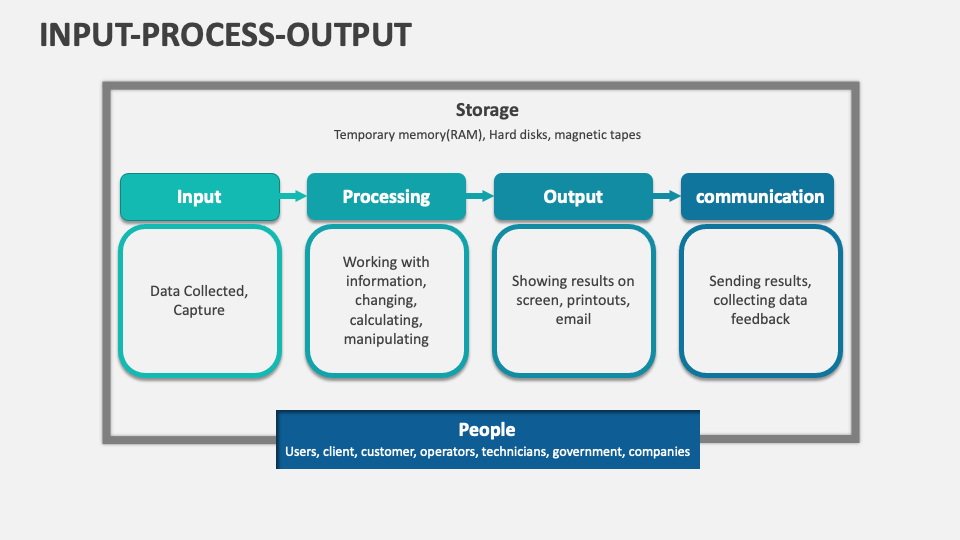
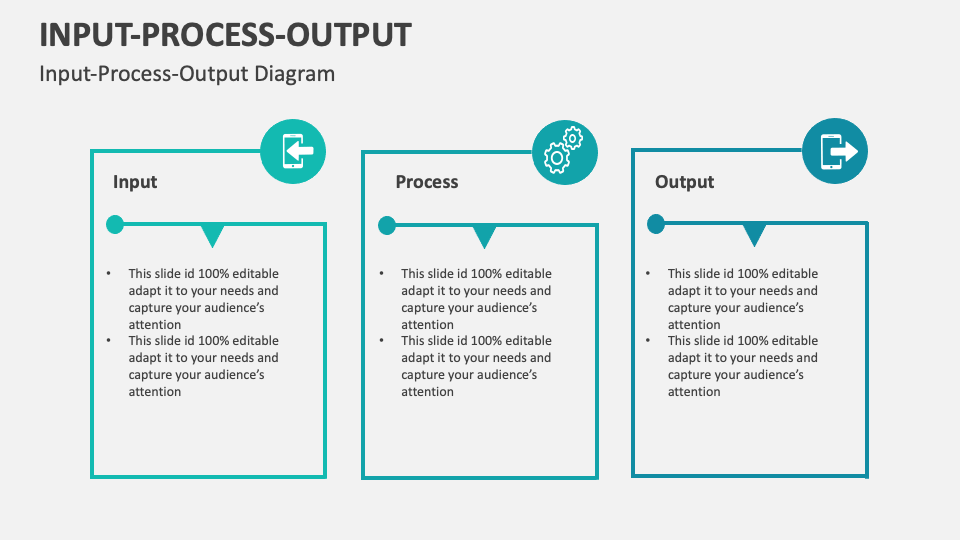
The input–process–output (IPO) framework is a conceptual map that breaks down any task into what you start with, what you do with it, and what you finish with. Think of a recipe: the ingredients are input, the cooking is process, and the plated dish is output. By isolating each phase, you can see where errors arise and where improvements are possible.
Step 1: Gathering Input
Input is the raw data, materials, or signals that feed a system. In a software context it might be user data, sensor readings, or network packets. In manufacturing, it could be raw steel, plastic pellets, or even a customer order. Quality and relevance of input directly influence the final result.
Key considerations when collecting input:
- Accuracy – Wrong data leads to wrong outcomes.
- Completeness – Missing pieces can stall the process.
- Timeliness – Outdated information may become obsolete by the time it’s processed.
- Source reliability – Trustworthy suppliers or data feeds reduce downstream risk.
Step 2: Transforming Input in the Process
The process is where the real work happens: calculations, chemical reactions, machining, or any series of steps that convert input into something new. In programming, this might be loops, conditionals, or algorithmic transformations. In a bakery, the dough kneading and proofing are part of the process.
Effective processes share common traits:
- Efficiency – Minimizing waste and time.
- Consistency – Delivering the same outcome each run.
- Scalability – Handling larger volumes without breaking down.
- Adaptability – Adjusting to varying input without compromising quality.
Step 3: Delivering Output
Output is the tangible result—whether a file, a product, or a service—that the system produces. It should meet the defined specifications and satisfy the end-user or customer. Output quality is the ultimate metric that reflects how well input was captured and how well the process was executed.
Considerations for high‑quality output:
- Reliability – Consistently meeting expectations.
- Usability – Easy for the target audience to use or interpret.
- Compliance – Meeting regulatory or industry standards.
- Feedback loops – Mechanisms to report back issues to the input phase for correction.
Real‑World IPO Examples
Smartphone OS Update
Input: User reports, crash logs, and performance metrics.
Process: Security patches, feature integration, code testing.
Output: A new firmware version delivered via OTA.
Car Assembly Line
Input: Engine components, chassis, wiring harnesses.
Process: Welding, painting, quality checks.
Output: A finished vehicle ready for shipment.
Online Learning Module
Input: Lecture videos, reading materials, quizzes.
Process: Curated sequencing, interactive simulations.
Output: Completed course delivered to students with certificates.
Optimizing the IPO Flow
Even a well‑structured system can benefit from fine‑tuning:
- Automate data collection to reduce human error.
- Implement version control for processes so you can revert problematic changes.
- Use KPIs that link input quality to output metrics.
- Encourage cross‑functional feedback so that each phase can learn from the next.
When an issue surfaces, trace it back to the IPO stage that introduced the anomaly. For example, a defective batch of output often points to faulty input or a broken process step rather than a random error.
Common Pitfalls and How to Avoid Them
Assuming input is always clean
Even well‑established data sources can drift. Regular audits catch subtle changes before they cascade.
Neglecting process variability
Small changes in temperature or component weight can shift outcomes. Use statistical process control charts to spot shifts early.
Overlooking user experience in output
A technically perfect product can still fail if it’s hard to use. Incorporate usability testing into the output stage.
Frequently Asked Questions
What is the difference between input and data?
Input refers to any raw element fed into a system, whereas data is a subset of input that carries information for processing.
Can the process step be skipped?
In some rapid prototyping scenarios, a minimal process may be used, but typically the process is essential for transforming raw material into value.
How does feedback improve the IPO model?
Feedback from output back to input helps identify recurring problems, allowing for continuous refinement of the entire cycle.
Is the IPO model applicable to creative work?
Absolutely—ideas (input), brainstorming or drafting (process), and the final artwork or manuscript (output) all fit the framework.
Takeaway
By dissecting any operation into its input, process, and output components, you gain a clear lens through which to examine, evaluate, and enhance performance. Whether you’re coding a new app, managing a factory, or planning a personal project, keep the IPO model in mind to stay organized, efficient, and ultimately successful.