Decoding Job Titles: What They Really Mean (Quick Read)
Ever skimmed a LinkedIn profile and felt lost among Senior engineers, Principal analysts, and Lead designers? You’re not alone. This quick read demystifies the most common job‑title conventions so you can tell whether a label reflects true seniority, a functional focus, or just a fancy marketing spin.
Why Job Titles Matter
Beyond vanity, titles shape expectations, compensation, and career trajectories. Recruiters match candidates to openings based on these cues, while employees leverage them for promotions and marketability. Misreading a title can lead to mismatched interviews, over‑ or under‑paying, and even misplaced confidence in a role’s responsibilities.
The Evolution of Job Titles
In the early days of industry, titles were literal: a “Secretary” typed, a “Foreman” supervised a crew. As tech and services exploded, companies began layering adjectives to signal hierarchy, specialization, or culture. The rise of “Chief” roles in startups, the proliferation of “Associate” versus “Senior,” and the recent “Principal” wave all reflect shifting organizational structures.
Common Prefixes and What They Signal
Understanding prefixes is the fastest way to gauge seniority.
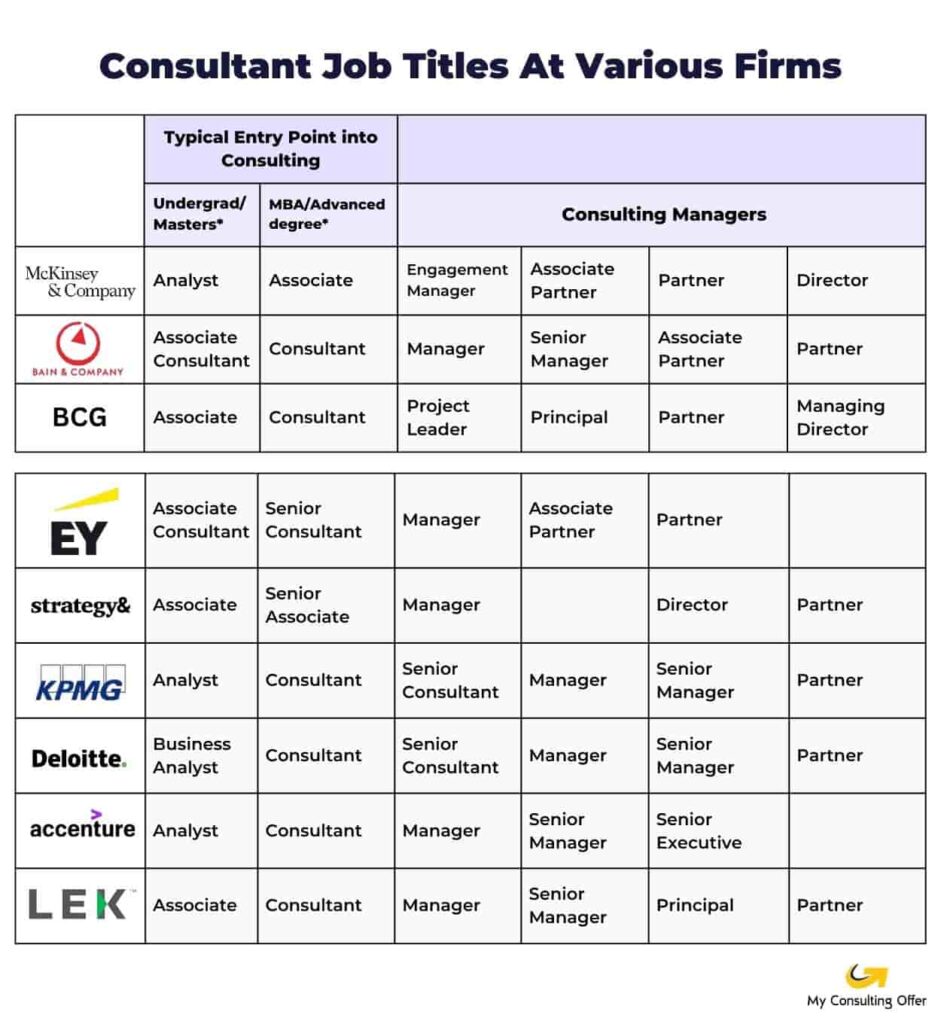
- Junior/Associate: Typically an entry‑level or early‑career professional, often still under direct supervision.
- Senior: Indicates several years of experience and the ability to work independently; may also imply mentorship duties.
- Lead: Focuses on guiding a team or project rather than a rank‑based seniority; can coexist with “Senior.”
- Principal/Head: Often reserved for subject‑matter experts who influence strategy across multiple teams.
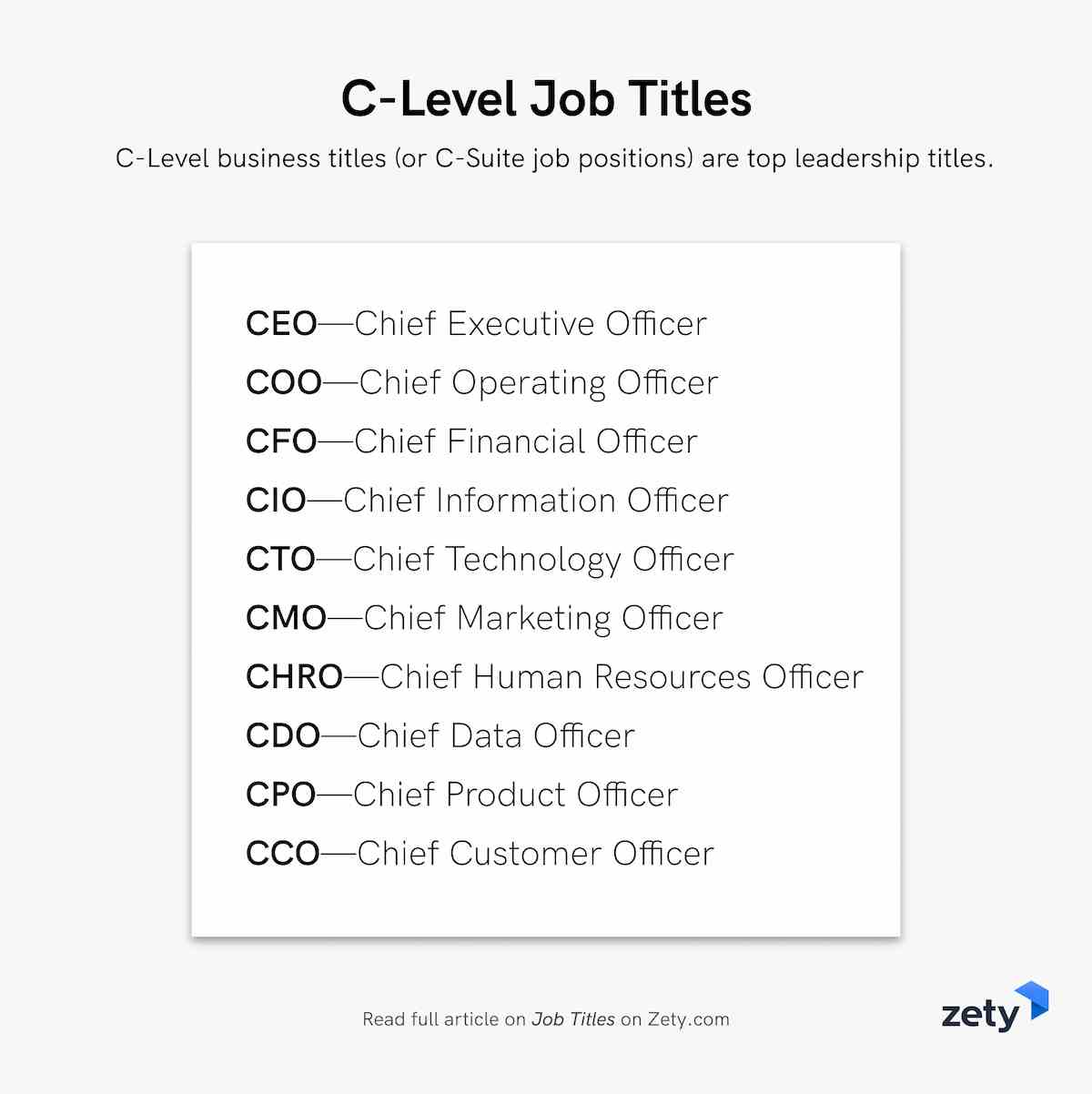
- Chief (C‑suite): Executive authority over a functional domain, such as CFO for finance or CMO for marketing.
These prefixes aren’t universal, but they form a useful baseline when you first encounter a title.
The “Senior” vs “Lead” vs “Principal” Debate
Many professionals wonder whether “Senior Engineer,” “Lead Engineer,” or “Principal Engineer” is the most prestigious. The answer depends on company size and culture.
In a small startup, a “Lead Engineer” might be the sole technical decision‑maker, essentially wearing a CTO’s hat without the title. In a larger corporation, “Senior Engineer” often signals depth of expertise, while “Principal Engineer” sits above senior staff, shaping architecture across divisions.
When evaluating a résumé, ask: does the role involve people management, technical strategy, or both? The job description will usually clarify whether “lead” is a functional cue (project ownership) or a hierarchical one (team leadership).
When Titles Inflate or Mislead
Not every “Director” runs a department, and not every “Vice President” sits at the C‑suite. Some firms adopt inflated titles to attract talent or boost morale. A “Marketing Manager” at a boutique agency might perform duties akin to a “Director” at a larger firm.
Red flags include:
- Very rapid title jumps without corresponding tenure or measurable impact.
- Titles that differ dramatically from industry norms (e.g., “Chief Happiness Officer” for a traditional HR manager).
- Lack of clear, outcome‑based responsibilities in the job posting.
When in doubt, focus on the described duties, reporting lines, and measurable goals rather than the label alone.
How to Read Between the Lines
Here’s a practical checklist for decoding any title you encounter:
- Identify the core function (e.g., “engineer,” “analyst,” “designer”).
- Note any modifier (Senior, Lead, Principal) and consider its typical seniority level.
- Look for scope indicators such as “global,” “regional,” or “enterprise.”
- Check the reporting structure in the description—does the role report to a director, VP, or C‑suite executive?
- Match responsibilities to the title; if they seem mismatched, treat the title as a brand rather than a guarantee.
Applying this framework helps you quickly assess whether a candidate, coworker, or prospective job aligns with your expectations.
FAQ
What’s the difference between “Manager” and “Director”?
Generally, a manager oversees a team’s day‑to‑day operations, while a director sets strategic direction for multiple teams or an entire function. However, the exact split varies by organization size.
Is a “Chief” title always an executive role?
In most corporations, yes—Chief titles sit in the C‑suite. In some startups, “Chief” may be used more loosely (e.g., “Chief of Staff” who isn’t a C‑suite member but coordinates senior leadership).
How can I negotiate a title change without changing my responsibilities?
Frame the request around market alignment: explain that comparable roles at peer companies carry a different title, and that aligning your title will aid external perception and internal clarity.
Do “Senior” and “Staff” mean the same thing?
Not exactly. “Senior” often implies depth of experience, while “Staff” (common in tech) denotes a senior technical contributor who may not have formal people‑management duties.