Decoding Eye Doctor Lingo: A Patient Guide
When you walk into an ophthalmologist’s office, the room often feels like a foreign language lab. “Visual acuity,” “pupillary light reflex,” and “perimetry” pop up in quick succession, and you might leave wondering what you’re supposed to do with all those terms. That’s where eye doctor lingo becomes your ally instead of your adversary. This guide breaks down the most common phrases, explains why they matter, and gives you a cheat sheet for the next appointment.
Decoding the Most Common Eye Doctor Lingo
Below are the everyday terms you’ll hear, plus a plain‑English definition. Think of them as the building blocks that help your clinician paint a picture of your eye health.
- Visual Acuity (VA) – How sharp your vision is. It’s measured with an eye chart; 20/20 is considered normal.
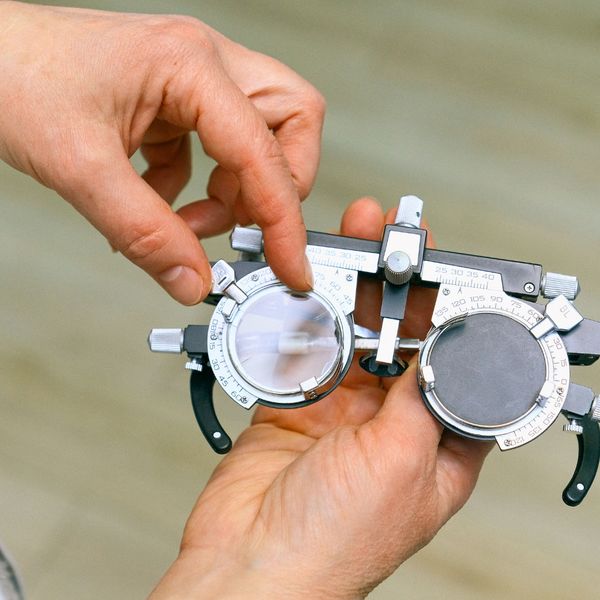
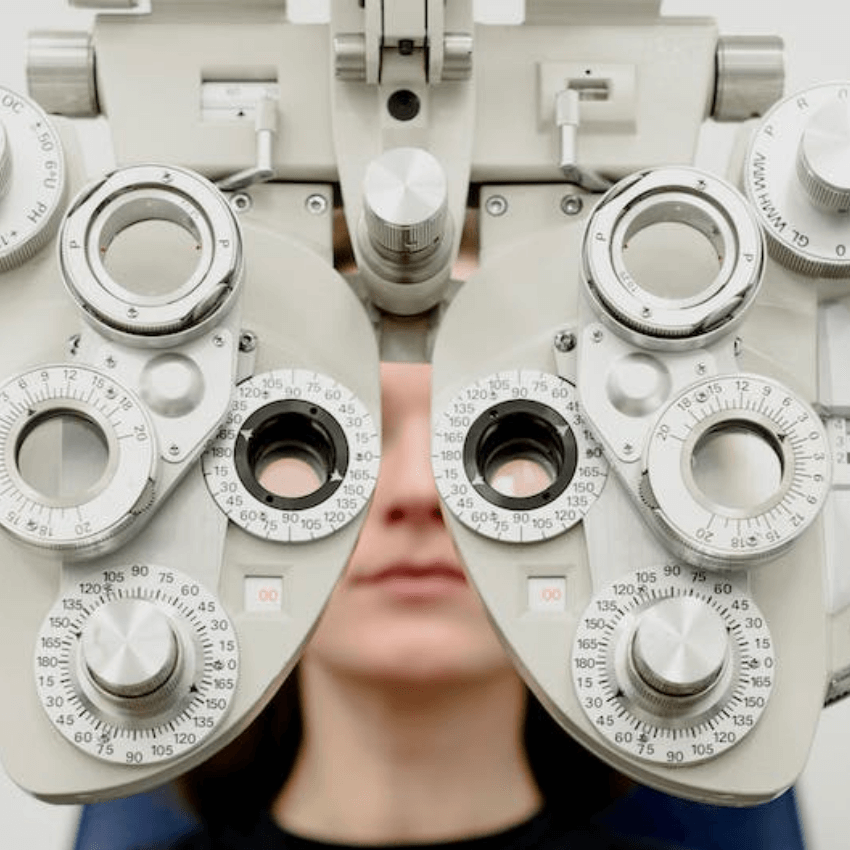
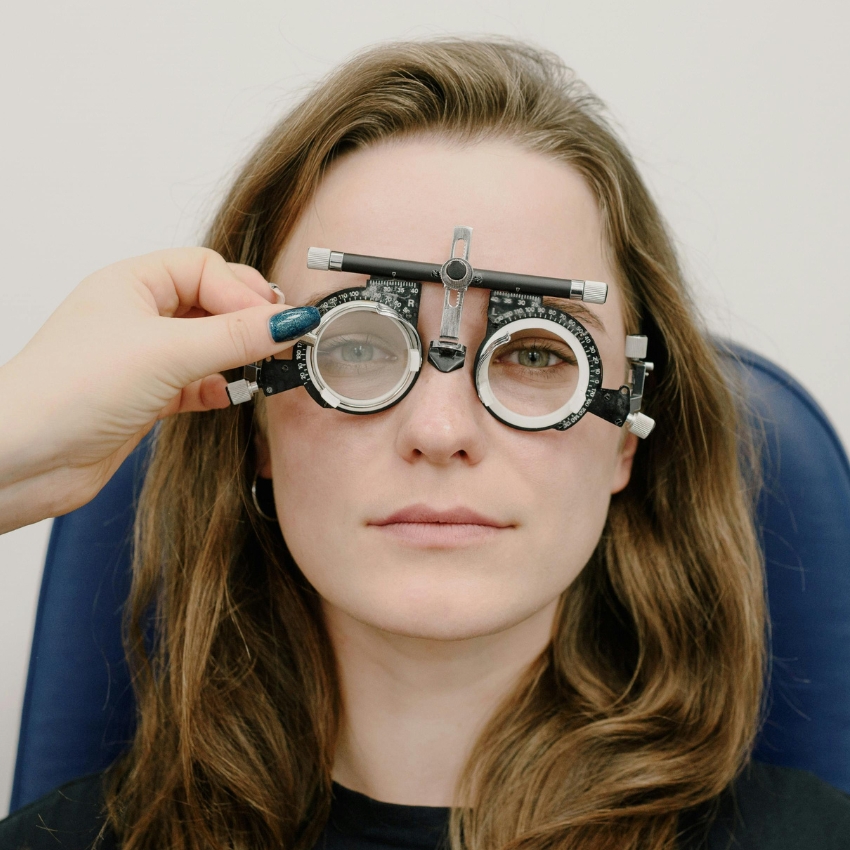
- Refraction – The test that determines your glasses or contact lens prescription.
- Pupil Reaction – The way your pupils dilate or constrict in response to light, indicating neurological function.
- Intraocular Pressure (IOP) – The fluid pressure inside your eye; high IOP can signal glaucoma.
- Slit Lamp Examination – A high‑magnification microscope that lets the doctor inspect the cornea, lens, and other internal structures.
- Visual Field Test – A screening for peripheral vision loss, often used to detect early glaucoma.
- Fundus Photography – Captures an image of the retina, optic nerve, and blood vessels.
- Dry Eye – A common condition where tear production is insufficient or the tears evaporate too quickly.
- Retinal Detachment – A medical emergency where the retina peels away from the back of the eye.
- Macular Degeneration – Age‑related damage to the central part of the retina, leading to loss of sharp vision.
When You’re Confused, What’s the First Move?
Feeling lost is normal; the eye world has its own jargon. Here’s a quick playbook for the next visit:
- Ask for a “plain‑English” explanation – Most clinicians will gladly rephrase complex terms.
- Take notes or record the conversation – This helps you review later.
- Bring a friend or family member – A second pair of eyes can catch important details.
- Request a visual aid – A diagram or model can make the anatomy click.
- Use reputable online resources – Websites like the American Academy of Ophthalmology offer glossaries.
Quick Reference Cheat Sheet
Save this table for quick consultation. Print it out, add it to your phone, or keep it in your medical folder.
| Term | What It Means |
| VA | Visual Acuity – clarity of vision |
| IOP | Intraocular Pressure – eye fluid pressure |
| Refraction | Prescription determination |
| Slit Lamp | Microscopic eye inspection |
| Visual Field | Peripheral vision test |
| Fundus Photo | Retinal imaging |
| Dry Eye | Insufficient tear production |
| Macular Degeneration | Central vision loss |
| Glaucoma | Eye pressure‑related optic nerve damage |
| Retinal Detachment | Emergency – retina pulling away |
Frequently Asked Questions
Q: Do I need to know every term to understand my eye health?
A: Not every single word is critical, but understanding the core concepts—vision clarity, eye pressure, and retinal health—will help you engage with your treatment plan.
Q: How often should I schedule comprehensive eye exams?
A: Most adults should have a full eye exam every 1–2 years; older adults or those with risk factors may need more frequent visits.
Q: What’s the difference between an ophthalmologist and an optometrist?
A: Ophthalmologists are medical doctors who can prescribe medication, perform surgery, and treat eye diseases, while optometrists focus on vision correction and basic eye health screenings.
Q: Can I self‑diagnose dry eye at home?
A: Symptoms like gritty sensation, redness, or tearing can hint at dry eye, but a professional evaluation is necessary for accurate diagnosis and treatment.