Computer vs Chemical Engineering: Choosing the Right Career Path
Picture a future where lines of code drive smart cities, while the same future sees molecules engineered into clean fuels and life‑saving drugs. When you hear “Computer vs Chemical Engineering,” you’re staring at two distinct yet equally influential worlds. Each offers a blend of theory, practice, and a promise of innovation. Which path aligns best with your curiosity, skill set, and long‑term goals?
Computer vs Chemical Engineering: What Does Each Field Actually Do?
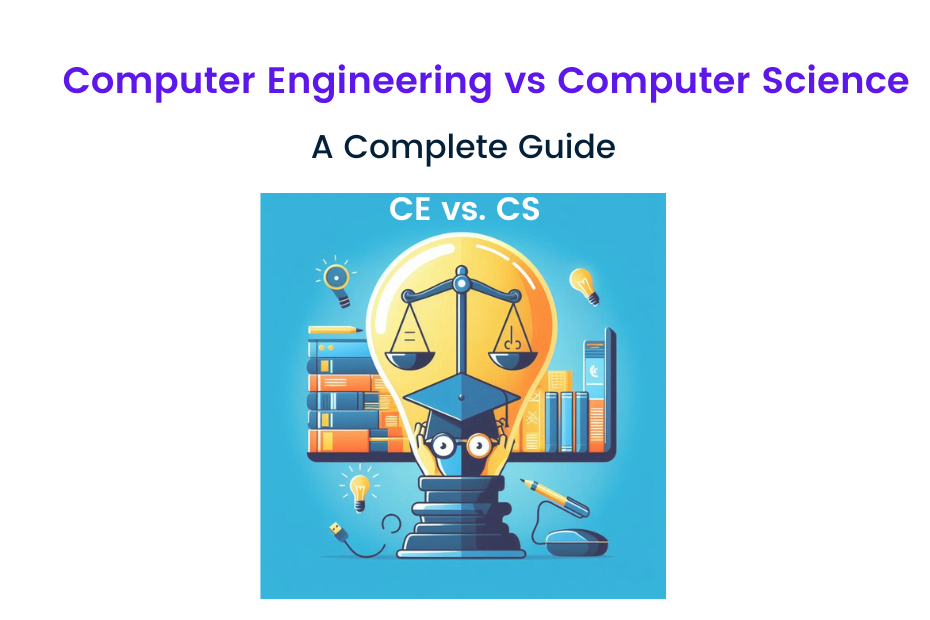
At its core, computer engineering focuses on designing, building, and optimizing hardware and software systems that run everything from smartphones to satellites. Students learn low‑level programming, digital logic, and system architecture, eventually working on embedded systems, cloud infrastructure, or cybersecurity solutions.
Chemical engineering applies physics, chemistry, and mathematics to convert raw materials into useful products—think polymers, pharmaceuticals, or sustainable fuels. Coursework revolves around thermodynamics, reaction engineering, and process control, leading to roles in plant design, quality assurance, or environmental compliance.
Computer Engineering: Where Bits Meet Reality
Key projects often involve developing microcontrollers, crafting firmware, or designing scalable distributed systems. The field thrives on rapid iteration; a new processor design can hit the market in a few years, making the pace fast and exhilarating.
Chemical Engineering: From Lab to Plant
Here, prototypes grow into full‑scale manufacturing lines. Engineers model chemical reactors, optimize separation processes, and ensure safety protocols meet regulatory standards. The learning curve is steep but tangible, as students see their designs translate into real‑world products.
Education and Skill Set: Paths to the Desk
Coursework and Core Skills
Computer engineering students tackle mathematics (calculus, discrete math), physics (electronics, signals), and core programming languages (C/C++, Python). They also dive into data structures, operating systems, and often, machine learning.
Chemical engineering curricula blend chemistry (organic, analytical), physics (fluid dynamics, heat transfer), and advanced mathematics. Students master process simulation software (Aspen HYSYS) and statistical methods for quality control.
Internships and Hands‑On Experience
For computer engineers, hackathons, internship projects on embedded devices, or cloud‑based start‑up gigs sharpen coding and teamwork. Chemical engineers benefit from lab rotations in research institutes or industrial internships, gaining hands‑on exposure to reactors, distillation columns, and safety audits.
Job Market and Growth Prospects
Demand and Salary Trends
Tech giants and startups alike demand fresh talent in software development, AI, and cybersecurity, often offering competitive salaries and equity options. Chemical engineering jobs, while fewer in number, tend to be stable in industries like oil & gas, pharmaceuticals, and renewable energy, with salaries that rise steadily as experience grows.
Long‑Term Flexibility
Computer engineers enjoy the possibility of remote work, freelance consulting, or product entrepreneurship. Chemical engineers often find roles in on‑site plant operations or research facilities, but can transition into product management or regulatory affairs as they gain expertise.
Personal Fit: Where Your Passion Lies
Problem‑Solving vs Experimentation
Do you thrive on debugging a stubborn code bug, or does the thrill come from measuring reaction yields in a test tube? The former leans toward computer engineering, the latter toward chemical engineering.
Work Environment Preferences
If you enjoy a fast‑paced, sometimes chaotic office setting where deadlines shift daily, computer engineering fits. Conversely, if you prefer structured lab protocols, safety meetings, and longer project timelines, chemical engineering may suit you better.
Making the Decision: A Practical Checklist
- Assess Your Strengths: High proficiency in mathematics and logic often signals a natural fit for computer engineering; a knack for hands‑on experimentation points toward chemical engineering.
- Research Industry Trends: Emerging fields like quantum computing, AI ethics, and green chemistry can tip the scale if you’re passionate about those areas.
- Shadow Professionals: Spend a day with a software developer or a process engineer to get a feel for daily tasks.
- Consider Long‑Term Goals: Do you aim to start a tech company, or are you drawn to leading a manufacturing plant or R&D team?
Self‑Assessment Questions
• Do I enjoy building things from scratch, whether it’s a circuit or a program?
• Am I fascinated by the chemical transformations that power everyday products?
• How comfortable am I with the uncertainty of a fast‑moving tech landscape versus the rigor of industrial processes?
• What lifestyle do I envision: office, lab, or hybrid?
Seek Mentors and Shadowing
Find professors, industry contacts, or alumni willing to discuss their career paths. Their insights can reveal nuances that textbooks miss.
FAQ
Can I study both fields at the same time? Dual majors are possible but demanding. Many universities offer interdisciplinary programs, like chemical computing or bioinformatics, that blend both disciplines.
Which degree has higher earning potential? While top software engineers often command high salaries early, chemical engineers in senior roles (plant managers, R&D directors) can achieve comparable or higher compensation, especially in regulated industries.
Is there overlap between the two careers? Yes—areas like computational chemistry, process automation, and data analytics bridge both fields. Engineers often collaborate across disciplines to solve complex challenges.
What about remote work opportunities? Computer engineering offers abundant remote positions, especially in software development and cybersecurity. Chemical engineering roles typically require on-site presence, though data‑analysis and simulation roles can be performed remotely.