CIP Incoterm Explained: Your Guide to Carriage & Insurance
What Is the CIP Incoterm?
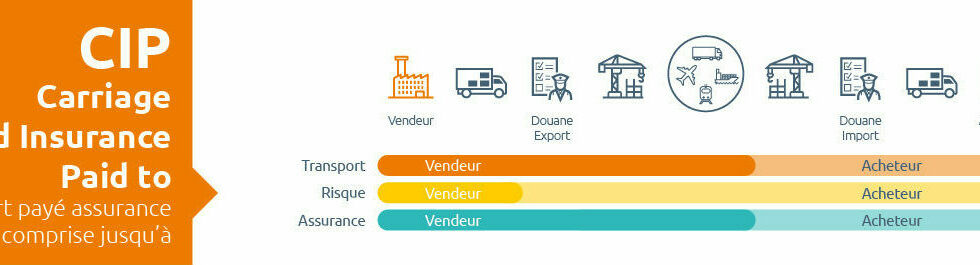
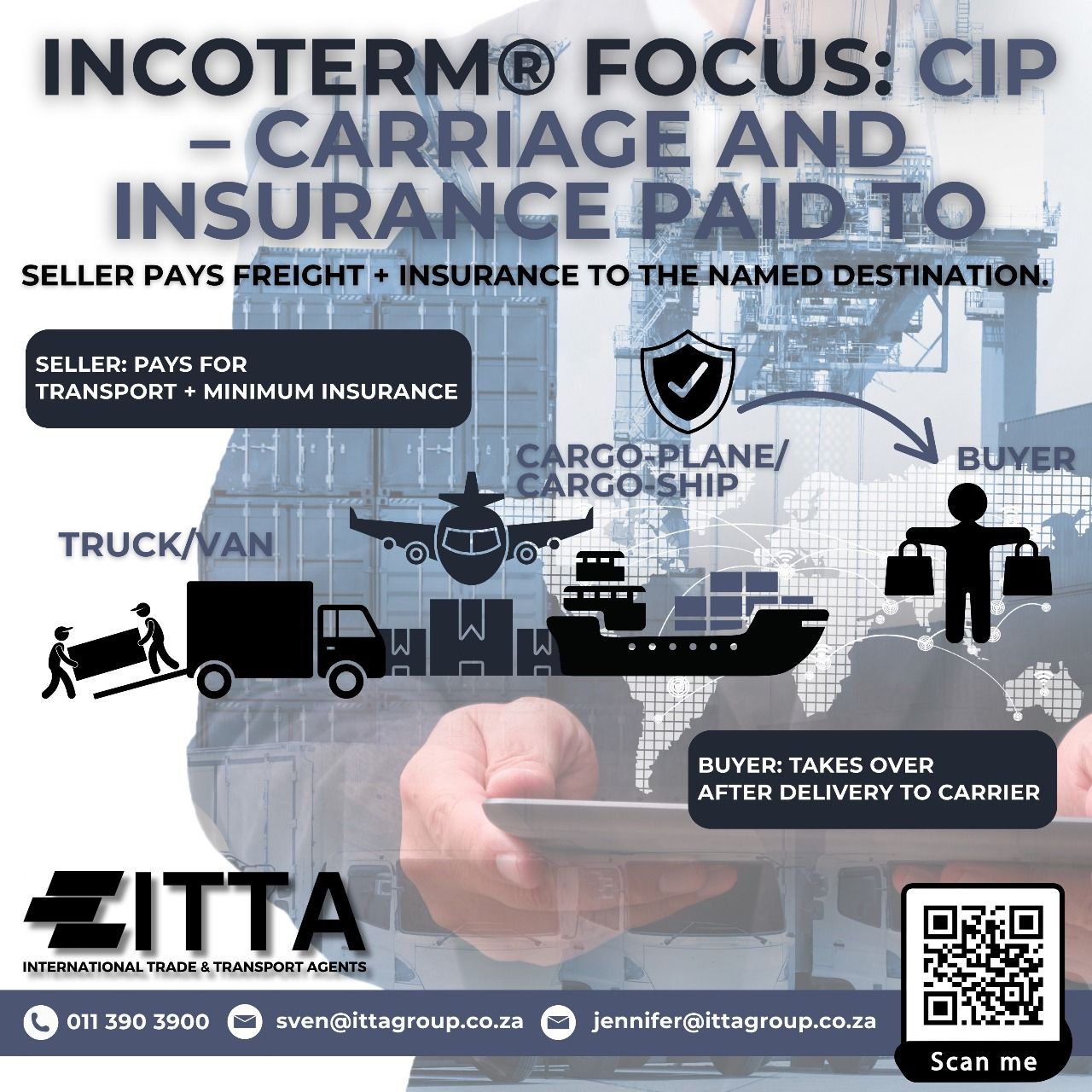
The acronym CIP stands for “Carriage and Insurance Paid to.” It’s one of the eleven Incoterms published by the International Chamber of Commerce, and it tells both buyer and seller exactly who handles transport, who pays the freight, and how far the seller’s responsibility stretches. In plain language, the seller delivers the goods to a carrier, pays the main carriage, and also secures insurance up to the named destination. The buyer then takes over once the goods arrive, covering any further costs or customs duties.
Key Obligations for the Seller
Under CIP, the seller’s duties are fairly extensive. First, they must contract a reputable carrier and obtain a transport document—usually a bill of lading or an air waybill. Second, the seller purchases insurance that meets at least the Institute Cargo Clauses (C) level, covering the goods for their full contract value. Finally, the seller must provide the buyer with the transport and insurance documents, and they are responsible for export clearance in the country of origin.
Buyer’s Responsibilities
Once the carrier takes possession, the buyer’s workload begins. The buyer must arrange any import formalities, pay duties, taxes, and any handling charges that arise after the named destination. If the buyer chooses a different final drop‑off point than the one specified in the contract, they also bear any extra freight or insurance costs incurred beyond that point.
How CIP Differs from Similar Terms
It’s easy to confuse CIP with other “C” Incoterms like CPT (Carriage Paid To) or DAP (Delivered at Place). The main distinction lies in insurance: CIP obligates the seller to obtain insurance, while CPT leaves that to the buyer. DAP, on the other hand, shifts both carriage and risk to the seller until the goods are ready for unloading at the destination, but it does not require the seller to insure the cargo.
- CIP vs. CPT: Insurance is mandatory under CIP; optional under CPT.
- CIP vs. DAP: Risk transfers earlier under CIP (when the carrier receives the goods), while DAP holds the seller liable until the goods are placed at the buyer’s premises.
Choosing the Right Level of Insurance
The Incoterm only sets a minimum standard for coverage—Institute Cargo Clauses (C). Many traders prefer a higher level, such as Clause (B) or (A), especially for high‑value or fragile goods. When negotiating, ask the seller what specific coverage they’re providing, and request a copy of the policy. Knowing the deductible, exclusions, and claim procedures can save a lot of hassle if something goes wrong in transit.
Practical Tips for Drafting a CIP Contract
1. Specify the exact destination. Vague language like “to the buyer’s warehouse” can lead to disputes about where the seller’s insurance stops.
2. State the insurance clause explicitly. Include the required Institute Cargo Clause level and the insured amount in the contract.
3. Clarify document handling. Indicate which original transport and insurance documents the seller must hand over, and whether electronic copies are acceptable.
4. Plan for force majeure. Include a clause that outlines who bears risk if the carrier is unable to deliver due to events outside anyone’s control.
When CIP Might Not Be the Best Choice
If the buyer prefers to control insurance for better rates, CPT could be more suitable. Conversely, if the seller wants to keep responsibility until the goods are unloaded, DAP or DDP (Delivered Duty Paid) might align better with their logistics strategy. Always match the Incoterm to the commercial realities of the transaction, not just to a default template.
Common Pitfalls and How to Avoid Them
One frequent mistake is assuming that “paid” means “fully covered.” CIP only guarantees that the seller has paid for carriage and the minimum insurance; it does not guarantee that the buyer’s downstream costs are included. Another trap is neglecting to verify the carrier’s reliability. A cheap freight forwarder might meet the price point but could expose the cargo to higher risks, effectively nullifying the insurance benefit.
Finally, keep an eye on the latest Incoterms revision. The ICC updates the rules every ten years, and subtle changes—especially around insurance documentation—can affect how CIP is applied in practice.
FAQ
Q: Does CIP cover customs duties at the destination?
A: No. CIP obligates the seller to pay for insurance and main carriage only. The buyer remains responsible for import duties, taxes, and any clearance fees.
Q: Can the buyer request a higher insurance level under CIP?
A: Absolutely. While the Incoterm sets a minimum, parties can agree to a higher coverage tier. It should be reflected in the contract and the insurance policy.
Q: What happens if the carrier goes bankrupt before delivery?
A: The seller’s insurance should cover loss or damage, but the risk of non‑delivery may still fall to the buyer once the carrier has taken possession. Including a force‑majeure clause can help allocate that risk.
Q: Is CIP suitable for multimodal transport?
A: Yes. CIP is expressly designed for any combination of transport modes—sea, air, rail, or road—making it versatile for complex supply chains.