Arctic Fox Facts: Habitat, Behavior, and Conservation
When you picture the far‑north, the image of a fluffy white creature darting across snow often comes to mind. That’s the Arctic fox, a small carnivore perfectly tuned to life in some of the planet’s harshest environments. Below we unpack where they live, what makes them tick, and why their future hinges on human choices.
Where Arctic Foxes Call Home
Arctic foxes (Vulpes lagopus) inhabit the circumpolar tundra, spanning the coasts of Canada, Greenland, Alaska, Siberia, and northern Scandinavia. Their range is defined more by climate than by political borders, hugging regions where winter temperatures routinely plunge below –30 °C (–22 °F). In summer, the same territories melt into a patchwork of moss, lichens, and low‑lying shrubs, offering a brief burst of greenery.
These foxes are nomadic by necessity. When sea ice recedes, they follow the shifting edge of the ice pack, hunting lemmings, voles, and the occasional bird nest. Coastal populations may linger near seal colonies, capitalizing on carrion left by polar bears. Inland groups, however, are more reliant on the cyclical boom‑and‑bust of lemming populations, a rhythm that can dictate breeding success for an entire year.
Key Traits and Surprising Behaviors
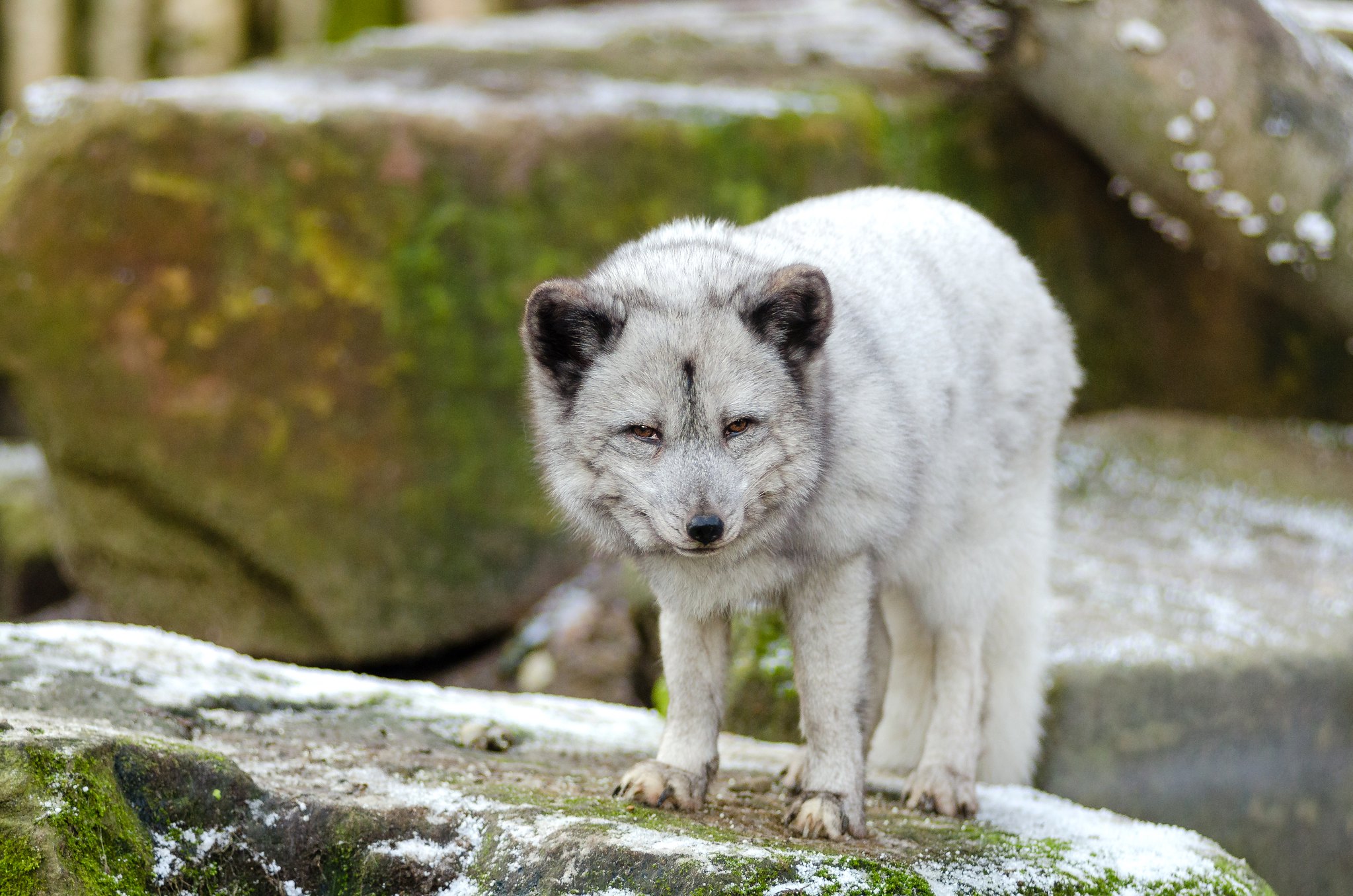
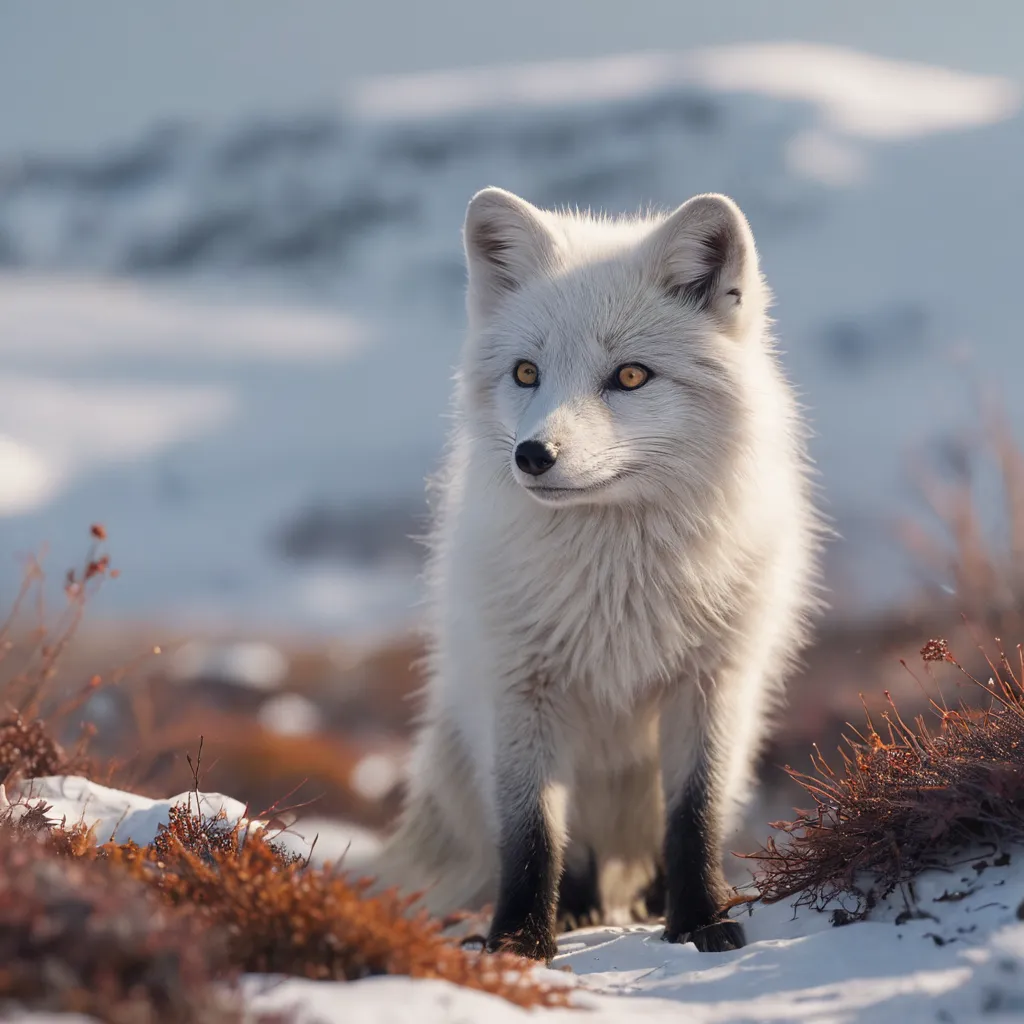
At first glance, the Arctic fox’s most striking feature is its coat. In winter, a thick, white pelt provides camouflage against snow and an impressive insulation layer—up to 30 % of its body weight. Come spring, the fur fades to a mottled brown or grey, helping the animal blend with the tundra’s rocky and vegetated landscape.
Beyond looks, the species boasts several physiological tricks. Their feet are covered in fur, acting like built‑in snowshoes that distribute weight and prevent heat loss. A counter‑current heat exchange system in the circulatory network reduces blood flow to extremities, keeping the core warm while the paws stay functional.
Socially, Arctic foxes are monogamous during the breeding season. Pairs dig complex burrows—sometimes extending 15 meters deep—to shelter kits from wind and predators. Litters can range from five to fourteen pups, an unusually large number that compensates for the high infant mortality typical of the Arctic.
Challenges Facing Arctic Fox Populations
Despite their adaptations, Arctic foxes confront mounting pressures:
- Climate change: Warmer winters thin the sea‑ice platform, limiting access to coastal carrion and forcing foxes onto land where competition intensifies.
- Red fox expansion: As boreal forests shift northward, the larger red fox (Vulpes vulpes) moves into traditional Arctic fox territories, outcompeting them for food and sometimes preying on their young.
- Human activity: Oil exploration, mining, and increased tourism disturb fragile tundra habitats and can introduce pollutants that accumulate in the food chain.
- Fluctuating prey cycles: The lemming population, a cornerstone of the Arctic fox diet, experiences multi‑year peaks and crashes. Prolonged lows can trigger starvation and reduced reproductive output.
These stressors rarely act in isolation. For instance, a milder winter may both reduce sea‑ice for coastal scavenging and enable red foxes to survive further north, compounding the threat.
Conservation Efforts That Make a Difference
Protecting Arctic foxes means tackling both the immediate and the systemic. Here are some of the most impactful strategies currently underway:
- Protected areas: Nations across the Arctic have designated wildlife reserves that limit industrial development and safeguard critical breeding grounds.
- Monitoring programs: Long‑term population surveys, often conducted by indigenous communities and research institutes, help track fluctuations and inform management decisions.
- Red fox control: In regions where red foxes have become invasive, targeted removal programs aim to restore a balance that favors native Arctic foxes.
- Climate advocacy: While local actions are essential, broader climate mitigation—reducing greenhouse gas emissions—remains the most crucial factor for preserving the sea‑ice habitat.
Success stories are emerging. In parts of Greenland, coordinated predator management combined with habitat protection has seen a modest rebound in Arctic fox numbers over the past decade. Such outcomes illustrate that, with sustained effort, it’s possible to tip the scales back in favor of these resilient mammals.
Frequently Asked Questions
Do Arctic foxes hibernate?
Unlike some mammals that retreat into deep sleep, Arctic foxes remain active year‑round. Their dense fur and metabolic adaptations allow them to stay alert, hunting and defending territory even during the coldest months.
How long do Arctic foxes live in the wild?
Average wild lifespans hover around three to six years, though individuals have been documented reaching up to ten years when conditions are favorable and predation pressures are low.
Can Arctic foxes survive in captivity?
Yes, they can, but captivity demands meticulous temperature control, a diet mimicking wild prey, and ample space for burrowing behavior. Captive breeding programs aim to maintain genetic diversity and serve as a safety net for threatened populations.