Adaptive Sports Gear: A Complete Guide for All Abilities
When you think of sports, you might picture a standard pair of shoes, a ball, and a field. For many athletes, however, the real game‑changer is adaptive sports equipment—gear designed to level the playing field for people of all physical abilities. Whether you’re a newcomer exploring wheelchair basketball or a seasoned para‑rower fine‑tuning your setup, understanding the options, fit considerations, and maintenance basics can make the difference between a frustrating session and an empowering experience.
What Is Adaptive Sports Equipment?
In essence, adaptive sports equipment refers to any tool, device, or accessory that modifies a traditional sport to accommodate an athlete’s specific functional needs. These adaptations can involve changes to the shape, material, or mechanism of a product, allowing users to perform movements that might otherwise be limited by injury, disability, or age‑related changes. The goal isn’t to “assist” in the sense of giving an unfair edge; it’s to provide equitable access so that skill, strategy, and determination remain the decisive factors.
Key Categories of Adaptive Gear
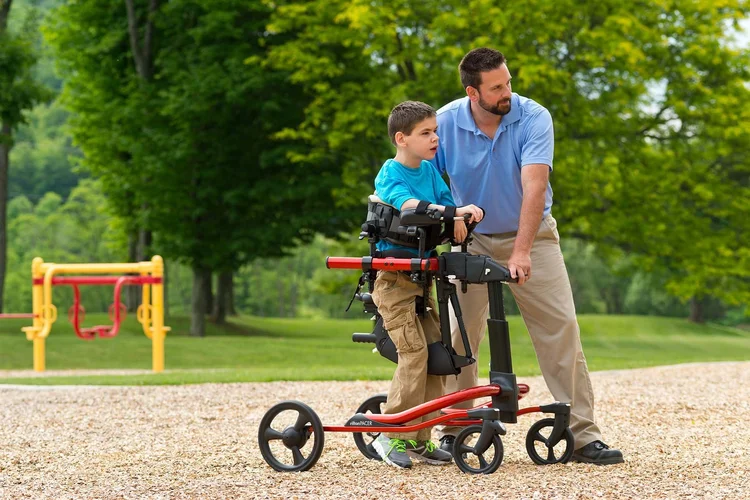
- Mobility Aids – wheelchairs, handcycles, and prosthetic attachments that enable movement on the field, track, or water.
- Upper‑Body Supports – specialized grips, adaptive handles, and forearm braces that help athletes manipulate equipment safely.
- Sensory Enhancements – tactile markings, auditory cues, and visual contrast adjustments for athletes with vision or hearing challenges.
- Protective Gear – customized helmets, padded clothing, and impact‑absorbing liners designed to fit non‑standard body shapes.
- Customizable Systems – modular frames, 3‑D‑printed components, and adjustable fittings that can be tailored as needs evolve.
Mobility Aids
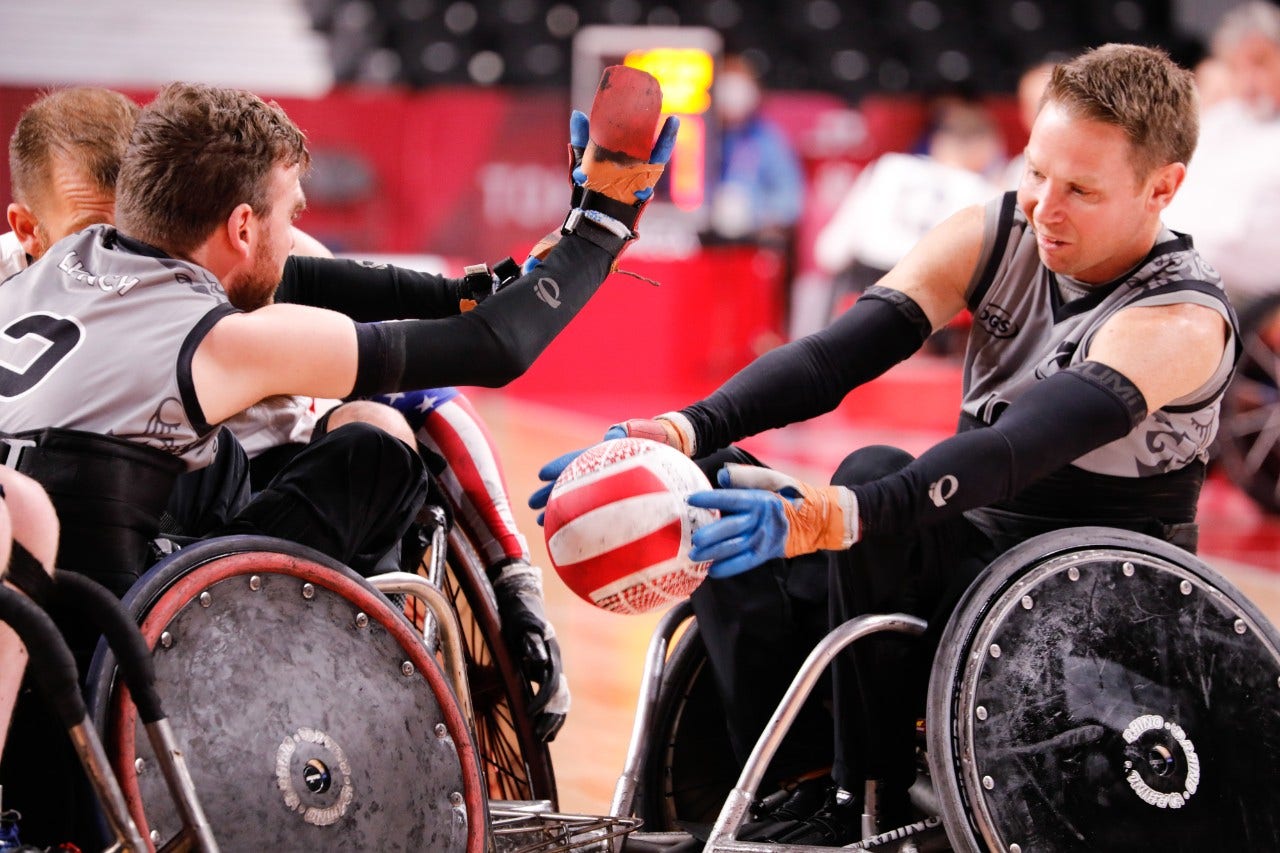
Perhaps the most recognizable category, mobility aids include sport‑specific wheelchairs for basketball, racing, or tennis. These chairs differ in wheel camber, seat height, and frame material to optimize speed, maneuverability, and stability. Handcycles, meanwhile, turn arm power into forward motion for road racing or off‑road adventures. When selecting a mobility device, consider the sport’s typical terrain, the athlete’s core strength, and any existing joint limitations.
Upper‑Body Supports
For athletes with limited hand function, adaptive grips can transform a standard racquet or golf club into a secure extension of the forearm. Silicone sleeves, strap‑on handles, and even magnetic attachments reduce the effort needed to hold or swing equipment. Many manufacturers also offer interchangeable modules so that one grip can serve multiple sports, saving both space and cost.
Sensory Enhancements
Visual or auditory cues can be subtle yet powerful. High‑contrast tape on a basketball’s seams helps players with low vision track the ball’s spin. Similarly, vibrating wristbands that emit a pulse when a target is reached can aid swimmers with hearing impairments. These enhancements usually require minimal modification but can dramatically improve confidence and reaction time.
Choosing the Right Equipment for Your Needs
The first step is a realistic self‑assessment. Ask yourself what movements feel restricted and which sports spark the most excitement. Consulting a certified adaptive sports specialist—often a physical therapist or occupational therapist with experience in sport‑specific training—can reveal hidden limitations and suggest suitable gear.
Next, test before you buy. Many community centers, Paralympic clubs, and university programs maintain demo inventories. Trying a wheelchair on a basketball court or a prosthetic blade on a running track provides tactile feedback that product descriptions can’t convey.
Finally, factor in budget and longevity. While custom‑fabricated items can be pricey, many organizations offer rental schemes or grant programs. Look for equipment built from durable, lightweight alloys or carbon fiber; these materials may cost more upfront but typically outlast cheaper alternatives, reducing long‑term expenses.
Maintenance and Safety Tips
Adaptive gear, like any sports equipment, deserves regular care. For wheelchairs, check tire pressure weekly, lubricate bearings monthly, and inspect frame welds for cracks after every intense season. Prosthetic sockets should be cleaned with mild soap and water, then thoroughly dried to prevent skin irritation.
Safety isn’t just about equipment integrity; it’s also about proper fit. A misaligned wheelchair seat can cause pressure sores, while an ill‑fitting grip may lead to overuse injuries in the wrist or elbow. Schedule periodic fittings with a professional, especially after growth spurts or significant weight changes.
Where to Find Quality Adaptive Sports Products
Reputable sources include dedicated adaptive sports manufacturers such as Invacare, RGK, and Freedom Innovations. Their websites often feature detailed sizing guides, video demos, and customer reviews from fellow athletes.
For those on a tighter budget, nonprofit organizations like the Challenged Athletes Foundation and local adaptive sports clubs run equipment donation drives and resale programs. Online marketplaces—while convenient—require caution; verify that sellers provide authentic, warranty‑backed items rather than generic replicas.
Don’t overlook community resources. Many universities host adaptive sports labs where students prototype custom solutions using 3‑D printing. Engaging with such initiatives can yield highly personalized gear and foster a supportive network of innovators.
Frequently Asked Questions
What’s the difference between a regular wheelchair and a sports wheelchair?
A sports wheelchair is engineered for speed and agility, featuring a lower center of gravity, cambered wheels for sharper turns, and often a lightweight frame. Regular wheelchairs prioritize comfort and everyday maneuverability.
Can I use adaptive equipment for multiple sports?
Absolutely. Many components—like modular wheels or interchangeable grips—are designed for cross‑sport compatibility. However, sport‑specific adjustments (e.g., a basketball wheelchair’s rear‑wheel camber) may be necessary for optimal performance.
Are there financial assistance programs for adaptive gear?
Yes. Organizations such as the National Center on Health, Physical Activity and Disability (NCHPAD) and local Paralympic committees offer grants, subsidies, or rental options for qualified athletes.
How often should I have my equipment professionally checked?
A good rule of thumb is a full inspection at least once a season, or sooner if you notice unusual noises, wobbling, or discomfort during use.