10 Timeless Black‑and‑White Drama Films You Must See
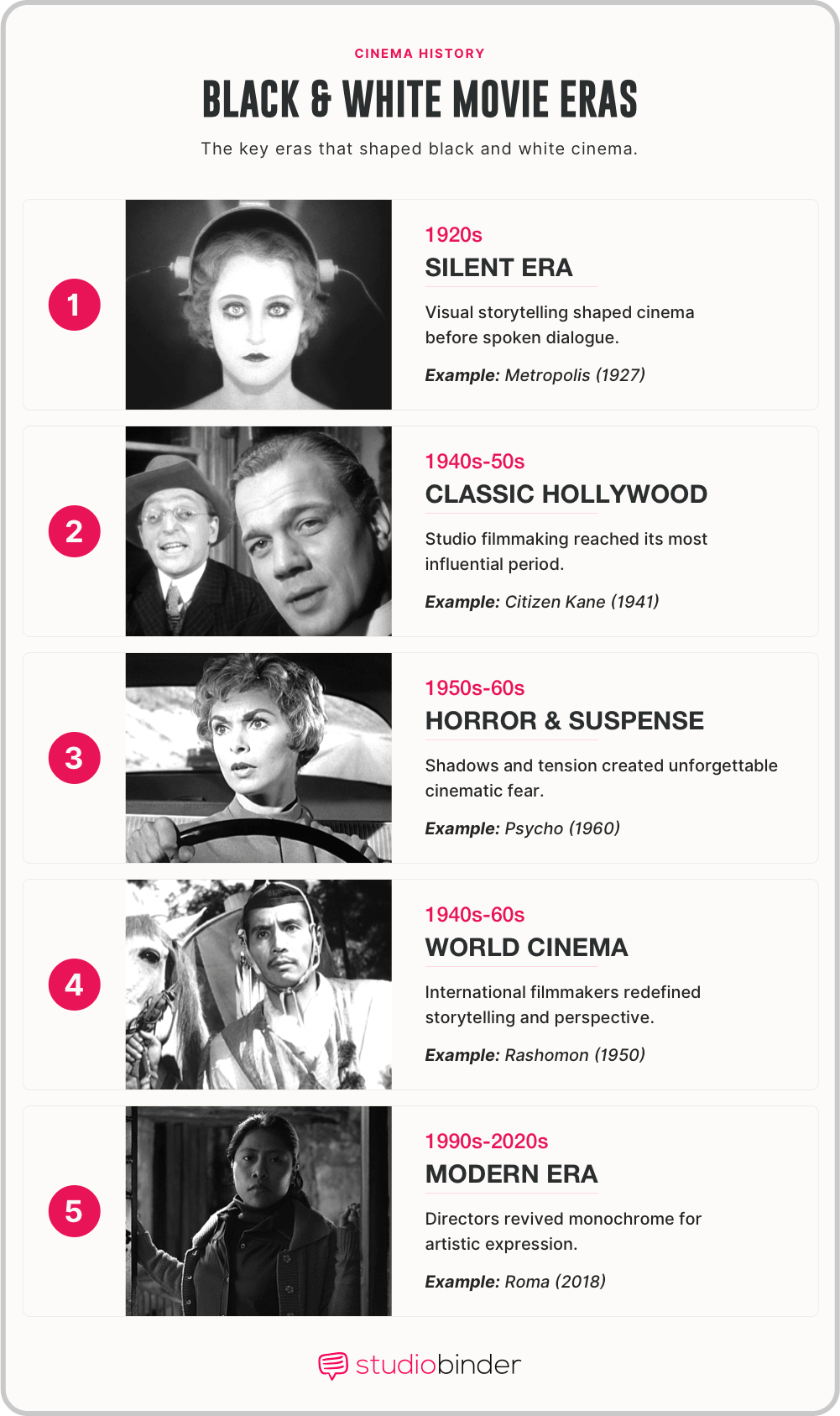
There’s something magnetic about a story told in stark contrast, where light and shadow become characters in their own right. Black and white drama movies let performances breathe without the distraction of colour, focusing attention on dialogue, composition, and raw emotion. From haunting classics to overlooked gems, these ten films have earned a place in cinema history and deserve a spot on any serious watch‑list.
1. Casablanca (1942)
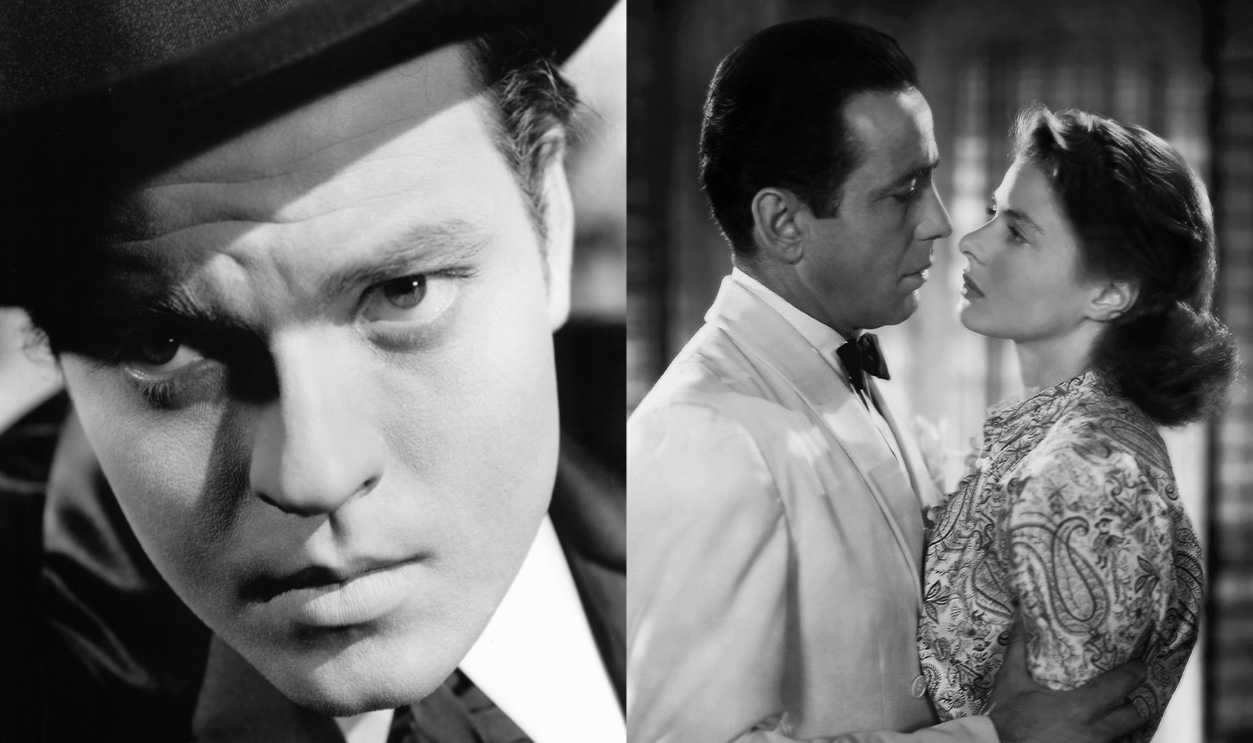
Set against the backdrop of World War II, Michael Curtiz’s Casablanca blends romance, intrigue, and sacrifice with unforgettable lines like “Here’s looking at you, kid.” Humphrey Bogart’s world‑weary Rick and Ingrid Bergman’s resilient Ilsa create a chemistry that feels as fresh today as it did over eight decades ago. The film’s iconic cinematography uses deep shadows to heighten tension in every smoky bar scene.
2. Schindler’s List (1993)
Steven Spielberg chose black and white for this harrowing Holocaust drama to strip the narrative to its starkest moral core. The occasional splash of colour—a red coat among the monochrome crowd—becomes a haunting visual metaphor for innocence lost. Liam Neeson’s nuanced performance as Oskar Schindler anchors a story that oscillates between brutality and redemption.
3. The Seventh Seal (1957)
Ingmar Bergman’s medieval masterpiece asks profound questions about faith and mortality through the iconic chess match between a knight and Death. The film’s austere visual style, dominated by fog‑filled landscapes and candle‑lit interiors, mirrors the existential gloom that pervades the narrative. It remains a cornerstone of philosophical cinema.
4. To Kill a Mockingbird (1962)
Adapted from Harper Lee’s novel, this courtroom drama starring Gregory Peck as Atticus Finch explores racial injustice in the American South. The black‑and‑white palette underscores the moral clarity of the story, while subtle lighting choices highlight the innocence of Scout’s perspective. Its quiet power still resonates in contemporary discussions of equity.
5. 12 Angry Men (1957)
Sidney Lumet’s claustrophobic jury‑room thriller proves that drama thrives on dialogue and performance alone. As twelve strangers dissect a murder case, the film’s gradual lighting shifts mirror the escalating tension. Henry Fonda’s measured leadership and the ensemble’s shifting alliances keep viewers glued to each breath.
6. Raging Bull (1980)
Martin Scorsese’s biopic of boxer Jake LaMotta is as much about self‑destruction as it is about sport. The stark contrast of the boxing ring’s bright lights against the darkness of LaMotta’s personal life amplifies the film’s brutal honesty. Robert De Niro’s transformative performance earned him an Oscar and cemented the film’s legacy.
7. The Passion of Joan of Arc (1928)
Silent‑era director Carl Theodor Dreyer captured the trial of Joan with an intensity rarely matched. Close‑ups of Renée Flemming’s expressive face convey anguish without a single spoken word. The minimalist set design and harsh lighting make every moment feel painfully immediate.
8. City Lights (1931)
Charlie Chaplin’s blend of comedy and pathos reaches its apex in this silent romance. The film follows the Tramp’s attempts to help a blind flower girl, using visual gags that never feel cheap. Its final scene—still celebrated for its emotional punch—shows how black and white can be profoundly moving.
9. Days of Heaven (1978)
Terrence Malick’s poetic drama is renowned for its luminous cinematography, even without colour. The grainy texture of wheat fields and the soft glow of sunrise create a dreamlike atmosphere that mirrors the characters’ fleeting hopes. The film’s deliberate pacing invites viewers to linger on each frame.
10. A Streetcar Named Desire (1951)
Elia Kazan’s adaptation of Tennessee Williams’ play showcases raw, volatile performances by Marlon Brando and Vivien Leigh. The cramped New Orleans apartment feels suffocating, amplified by stark lighting that casts long shadows across the characters’ faces. It’s a masterclass in translating stage tension to the screen.
Why Black‑and‑White Drama Movies Still Resonate
Beyond nostalgia, these films use monochrome to focus attention on story and character. Without the distraction of colour, lighting becomes a narrative tool, emphasizing mood, texture, and symbolism. The restraint forces directors to be inventive with composition, while actors often deliver their most nuanced work, knowing every expression will be magnified.
FAQ
What defines a black‑and‑white drama? It’s a narrative‑driven film shot without colour, where emotional stakes and character arcs take centre stage. The visual style typically enhances thematic depth rather than serving as mere aesthetic.
Are modern films still made in black and white? Yes—directors occasionally choose monochrome to evoke a specific era, highlight contrast, or pay homage to classic cinema. Recent examples include Roma and The Lighthouse, though they blend drama with other genres.
How can I find these movies? Most streaming platforms carry at least a few titles from this list; classic film channels and library collections are also reliable sources. Look for “classic cinema” or “black‑and‑white” sections.
Do I need to watch them in order? Not at all. Each film stands alone, offering a unique slice of history, style, and storytelling. Choose based on mood—whether you crave suspense, romance, or philosophical musings.